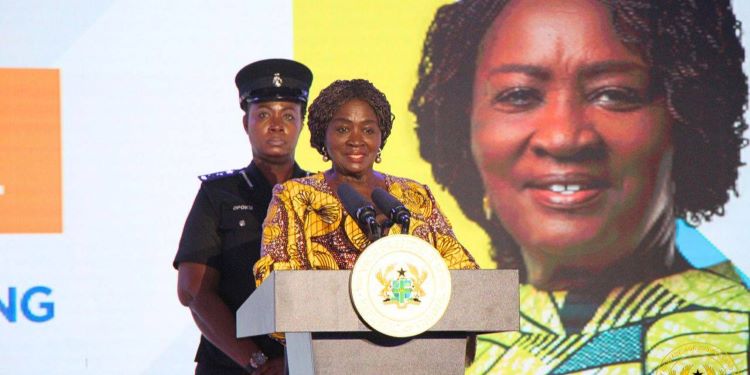
In a defining moment for the Republic’s maritime sovereignty and environmental stewardship, the Government of Ghana is set to officially declare the Greater Cape Three Points Marine Protected Area (GCTPMPA) on Tuesday, 14 April 2026, led by the Vice President, H.E. Naana Jane Opoku-Agyemang, in the Western Region.
According to the Ministry of Fisheries and Aquaculture Development (MoFAD), this landmark initiative, covering a staggering 703.86 square kilometers, represents the most significant shift in Ghana’s “Blue Economy” strategy since independence, moving the nation from a model of short-term extraction to one of long-term ecological resilience.
“The initiative, spearheaded by the Ministry of Fisheries and Aquaculture, is being undertaken in accordance with Section 39 of the Fisheries and Aquaculture Act, 2025 (Act 1146). The creation of the MPA is part of Ghana’s effort towards achieving the 30X30 target of the Global Biodiversity Framework – which seeks to protect 30% of the world’s lands and oceans by 2030”
Ministry of Fisheries and Aquaculture Development
For MoFAD, the establishment of the GCTPMPA is a local conservation effort as well as an overdue response to a national food security crisis.
The Greater Cape Three Points area has long been recognized by marine biologists as the “cradle” of Ghana’s fisheries, as it hosts critical breeding grounds, sensitive reef systems, and vast mangrove ecosystems that act as natural nurseries for small pelagic fish – the primary protein source for millions of Ghanaians.

However, years of unchecked industrial pressure, pollution, and the rampant rise of Illegal, Unreported, and Unregulated (IUU) fishing have brought these ecosystems to the brink of collapse. Unlike previous interventions, the GCTPMPA will introduce a sophisticated zoning scheme designed to balance the needs of nature with the necessities of human survival.
MoFAD noted that the area will be divided into “core zones,” where all extractive activities are prohibited to allow for total recovery, and “multiple use zones,” where regulated artisanal fishing and other sustainable livelihood activities can continue.
This nuanced approach aims to debunk the misconception that an MPA is a total ban on fishing; rather, it is a strategic management of the ocean’s “capital” to ensure the “interest” remains harvestable for generations.
Beyond Seasonal Measures
For years, the Ghanaian fishing industry has relied on temporary fixes, such as the annual closed fishing seasons and the three-year moratorium on new vessels. While these measures provided a brief respite for fish stocks, they were often insufficient to address the underlying degradation of the habitats themselves.
The GCTPMPA changes the narrative by providing permanent, legal protection to the real estate of the ocean. By protecting the seabed and the mangroves, the government is ensuring that when the closed seasons end, the fish actually have a healthy environment to return to.
The Ministry made it clear that the MPA is a complementary pillar to existing directives, including the ministerial trawl gear directive and the mandatory reclassification of all fishing crafts. It is the missing piece of the puzzle in a broader national strategy to rebuild a sector that supports over 10% of the national workforce.
“While all these measures provide a temporary conservation measure, the MPA ensures long-term protection of critical habitats, supporting the sustained recovery and resilience of marine fisheries resources over time”
Ministry of Fisheries and Aquaculture Development
According to the Fisheries Ministry, the most radical aspect of the GCTPMPA is its community-centered governance model. In a departure from top-down environmental policing, the government has committed to a “co-management” approach.
This means that the coastal communities of the Western Region are not just beneficiaries of the project – they are its architects, especially because involving traditional authorities and local fishers in the planning process, ensures that indigenous knowledge is integrated with modern scientific data.
The anticipated socio-economic promise of the MPA is significant. As fish stocks recover within the protected zones, the resulting “spillover effect,” is expected to increase catches in the surrounding multiple-use areas, leading to more stable incomes for fishers, processors, and traders, many of whom are women.
Furthermore, the GCTPMPA will open the door for new industries, such as eco-tourism and specialized marine research, diversifying the economic base of coastal settlements.
The implementation of the GCTPMPA is supported by an impressive coalition of global and local entities, including Bloomberg Philanthropies, the Ocean Initiative, and the Government of Norway. These partners have provided the technical expertise and financial support required for effective monitoring and enforcement – crucial elements in the fight against IUU fishing.
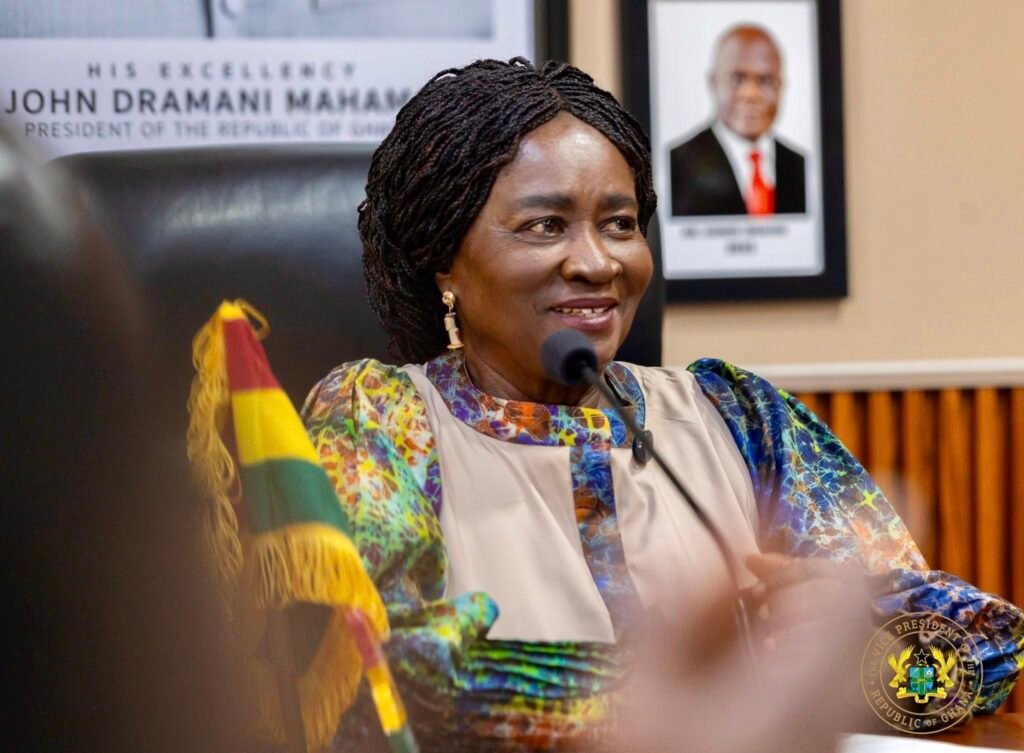
As the nation prepares for the formal declaration by Vice President Opoku-Agyemang on Tuesday, the message from the Ministry’s Head of Public Relations, Karimatu Anas, is one of urgent optimism.
Protecting the ocean is no longer a luxury for environmentalists; it is a survival imperative for a nation that looks to the sea for its daily bread.
The Greater Cape Three Points Marine Protected Area is Ghana’s boldest step yet toward a “Blue future,” marking a transition from exploitation to stewardship that the entire sub-region will be watching closely.
READ ALSO: Damang Mine Projected to Host 3.5 Million Ounces of Gold