
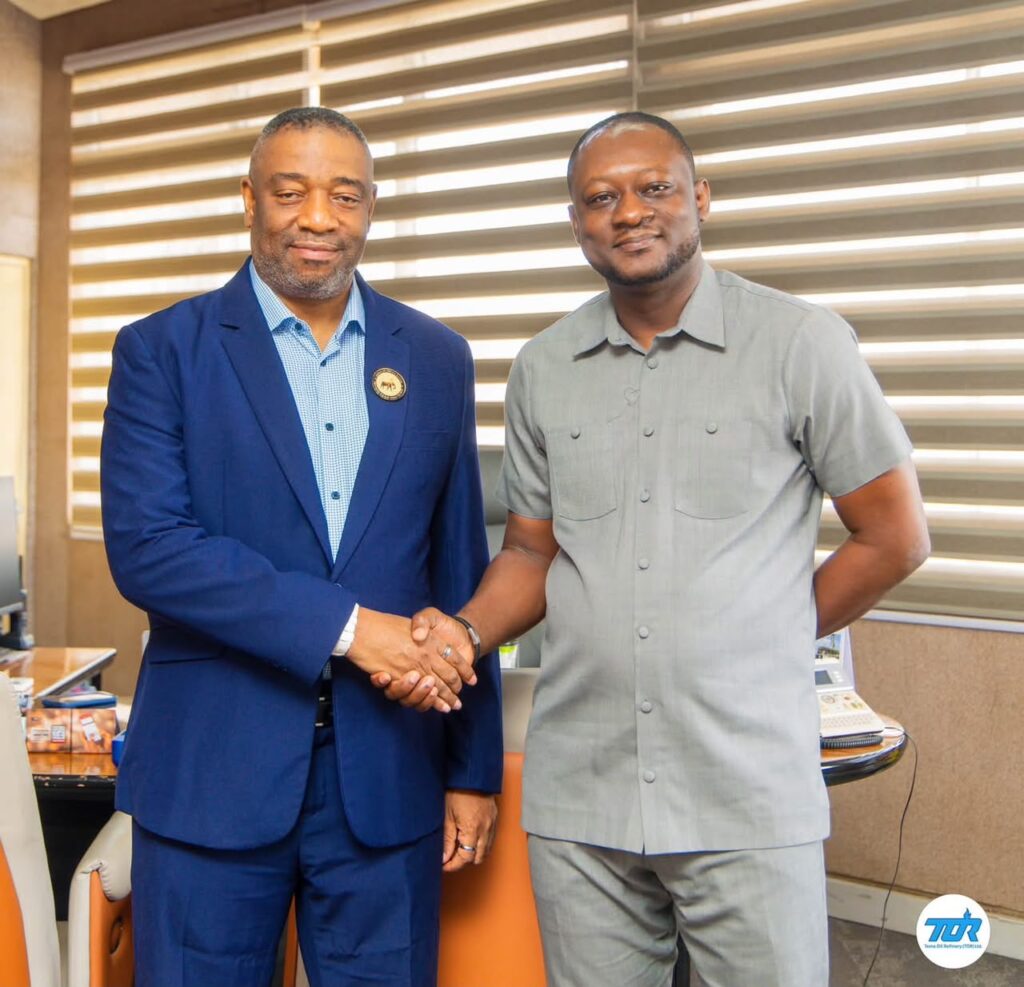
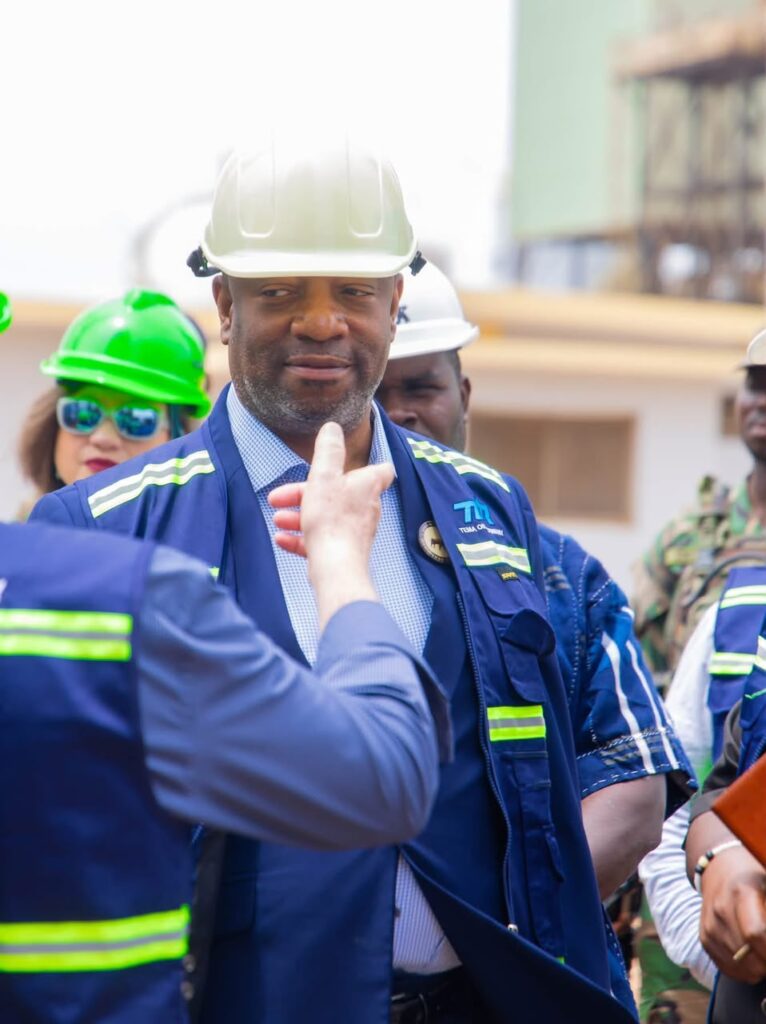
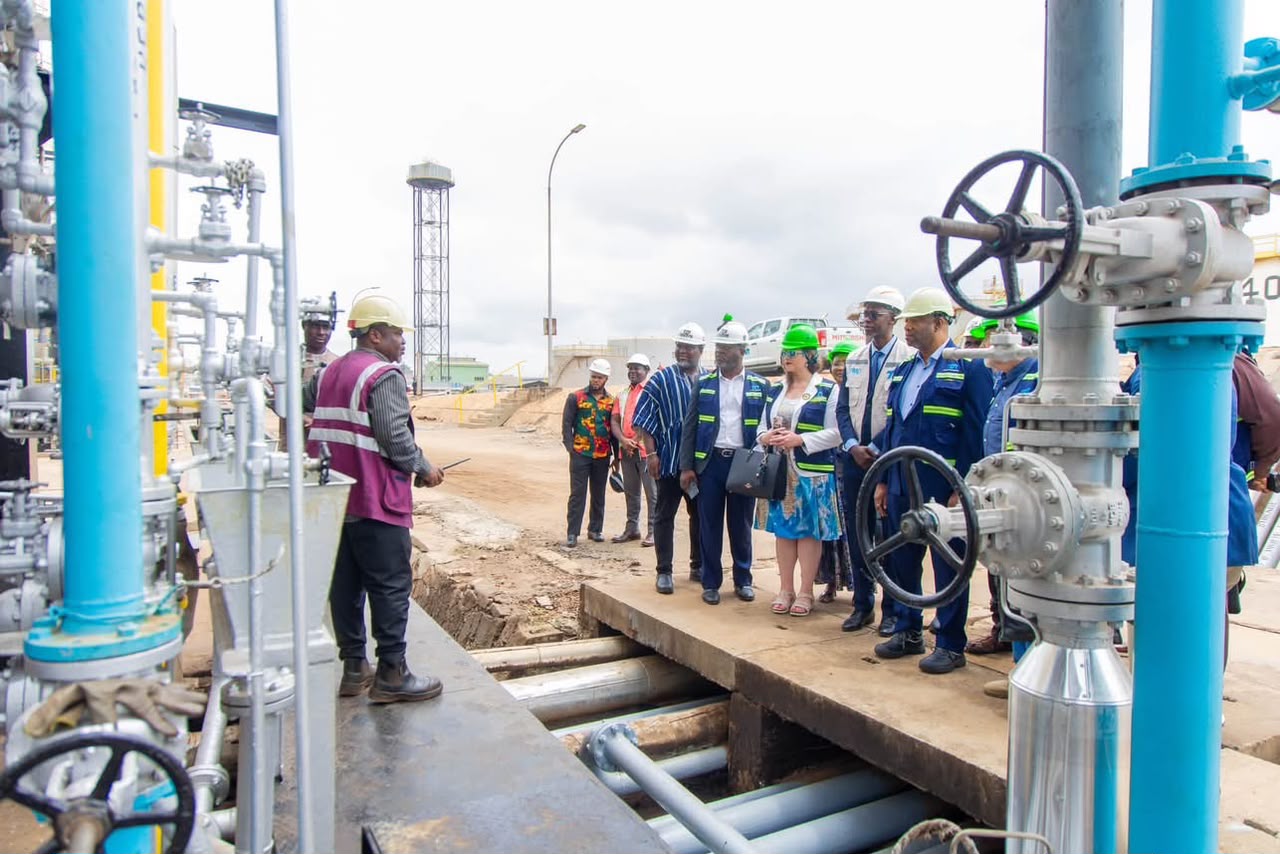
Ghana’s efforts to reposition the Tema Oil Refinery (TOR) as a strategic driver of energy security and industrial growth received a fresh boost after the Ga Mantse, His Royal Majesty King Tackie Teiko Tsuru II, led a delegation of investors on a strategic visit to the refinery to explore potential investment and partnership opportunities.
The visit, which brought together traditional leadership and prospective investors, comes at a time when Ghana is searching for sustainable solutions to restore the refinery’s operational capacity, reduce dependence on imported refined petroleum products and strengthen the country’s broader energy and industrial base.
For many energy analysts, the significance of the engagement lies not only in the possibility of new investment but also in the emerging role of traditional institutions in supporting economic diplomacy and strategic infrastructure development.
TOR described the visit as part of a shared commitment to revitalising Ghana’s energy sector through partnerships capable of stimulating industrial activity, creating jobs and supporting national economic transformation.
The visit reflects a shared commitment to revitalizing Ghana’s energy sector through strategic partnerships that will drive industrial growth, create jobs, and strengthen the national economy.
TOR
A strategic asset seeking renewal
Located in Tema, TOR remains one of Ghana’s most important energy assets.
Commissioned in the 1960s, the refinery was designed to process crude oil into petroleum products for domestic consumption and regional markets.
Over the decades, however, operational disruptions, financing constraints, maintenance challenges and debt burdens have limited its ability to operate consistently at full capacity.
As a result, Ghana has increasingly relied on imported refined petroleum products to meet domestic demand, exposing the economy to international price volatility, foreign exchange pressures and supply disruptions.
The renewed attention on TOR therefore comes amid broader discussions about how Ghana can capture more value from its petroleum resources by expanding domestic refining and downstream industrial activity.
Energy experts have long argued that a functional refinery contributes not only to fuel supply security but also to employment, petrochemical development, logistics, storage and broader industrial competitiveness.
Traditional leadership enters the investment conversation
The involvement of the Ga Mantse adds a distinctive dimension to the latest engagement.
While traditional authorities have historically played important roles in land administration and community affairs, their participation in investment promotion and strategic economic discussions has become increasingly visible in recent years.
TOR commended the Ga Mantse for using traditional leadership to connect business, industry and national development priorities.
We commend the Ga Mantse for championing initiatives that connect traditional leadership with business and industry, fostering an environment that attracts investment and supports sustainable national development.
The visit signals an effort to build confidence around TOR by engaging investors through broader networks of influence and partnership.
For Ghana, where investor confidence remains critical for large-scale infrastructure projects, such engagements can help draw attention to opportunities that may require substantial long-term capital.
Why TOR matters beyond fuel production
The refinery’s importance extends beyond producing petrol and diesel.
A revitalised TOR could support a wider downstream value chain, including liquefied petroleum gas (LPG), petrochemical products, storage services, bunkering and industrial feedstocks.
It could also complement government’s broader industrialisation agenda by providing inputs for manufacturing and other productive sectors.
Ghana’s petroleum sector currently generates significant value through upstream oil production, but policymakers have increasingly emphasised the need for greater domestic value addition rather than exporting crude oil and importing refined products.
In that context, TOR occupies a central position in discussions about energy security, foreign exchange management and industrial development.
A stronger refining sector could reduce import dependence, improve supply resilience and potentially create opportunities for regional trade within the ECOWAS market.
Investment questions remain central
While the visit has generated renewed optimism, the critical issue remains the structure and scale of any future investment.
TOR has previously attracted interest from private investors, strategic partners and policymakers seeking different models for rehabilitation and expansion.
Potential areas of collaboration could include refinery rehabilitation, technology upgrades, storage infrastructure, operational partnerships, financing arrangements and downstream integration.
However, analysts caution that successful refinery revival requires more than investor interest alone.
Key questions include the commercial viability of operations, access to crude supply, governance arrangements, debt management, environmental compliance and the long-term competitiveness of the refinery within changing global fuel markets.
The challenge is therefore not simply attracting capital but ensuring that any partnership is commercially sustainable and aligned with national interests.
Energy security in a changing global market
The renewed focus on TOR comes against a backdrop of heightened global energy uncertainty.
Recent geopolitical tensions, supply chain disruptions and fluctuations in crude oil prices have reinforced the importance of domestic energy infrastructure.

For fuel-importing economies, refining capacity can provide an additional layer of resilience, particularly during periods of international market stress.
Ghana has also been pursuing broader energy reforms, including investments in natural gas infrastructure, renewable energy, battery storage and transmission upgrades.
Within this evolving landscape, TOR’s future will likely be assessed not only as a refinery project but as part of a wider national energy strategy that balances security, affordability and sustainability.
A test of partnership-led revitalisation
The visit by the Ga Mantse and the investor delegation does not in itself guarantee investment, but it represents a renewed effort to reposition TOR as an attractive strategic opportunity.
The refinery expressed optimism about building partnerships capable of unlocking its potential for the benefit of the country.
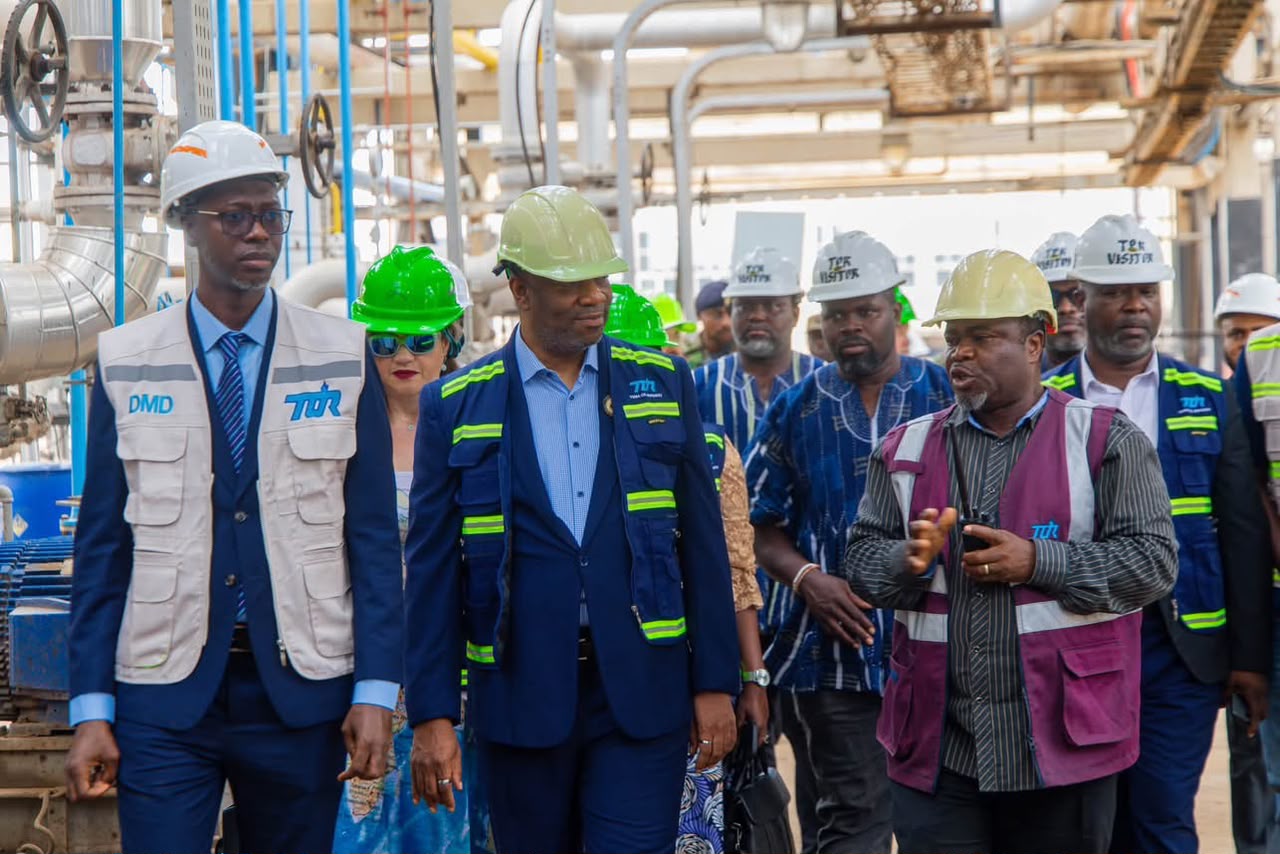
Together, we look forward to building partnerships that will unlock the full potential of Tema Oil Refinery for the benefit of Ghana.
For Ghana, the broader question is whether strategic partnerships can finally translate long-standing ambitions for TOR into operational and commercial reality.
If successful, revitalising the refinery could strengthen energy security, support industrial growth, create employment and help retain more value within the domestic economy.
If not, TOR risks remaining a symbol of unrealised potential in a country seeking to build a more resilient and value-added energy future.
The latest engagement suggests that the search for that future is increasingly drawing together government, investors and traditional leadership in an effort to restore one of Ghana’s most important energy institutions.
READ MORE: Debt Distress Risk Drops as IMF Cheers Ghana