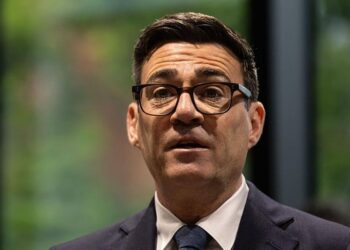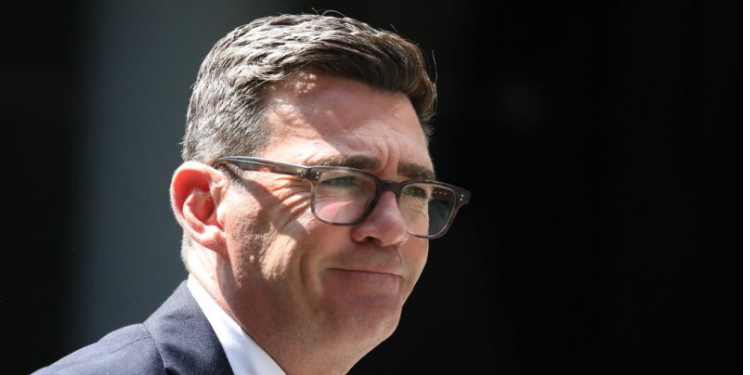
UK Prime Minister Andy Burnham has pledged to tackle the “long-running injustice” affecting prisoners serving indefinite jail terms, as his government explores measures to ease overcrowding in England’s prisons while seeking to prevent some of the country’s most serious offenders from being released early.
The Prime Minister indicated that he is “increasingly confident” that the government could create enough additional capacity across the prison estate to reduce the number of offenders being released before completing their sentences.
Among those he specifically identified were the killers of police officer PC Andrew Harper, whose potential early release has become a politically sensitive issue.
Moreover, Prime Minister has asked Justice Secretary Alex Norris to accelerate work on a package of measures aimed at creating more space in prisons. The proposals include speeding up the removal of foreign national offenders from British prisons, reviewing the position of prisoners serving Imprisonment for Public Protection (IPP) sentences and making greater use of the existing prison estate, including potentially using parts of the women’s estate to accommodate male prisoners.

For Burnham, the challenge has become particularly acute because of the political controversy surrounding the possible early release of the three men convicted over PC Harper’s killing.
Burnham has now sought to draw a distinction between lower-risk prisoners who could potentially be released or moved as part of an effort to resolve the legacy of IPP sentences and the most serious offenders whom he believes should remain in custody.
In a statement, Andy Burnham disclosed that he had instructed the Justice Secretary to fast-track a plan based “on a range of options.”
According to the Prime Minister, the measures included “increasing the rate of removal of foreign national offenders from the prison estate to their country of origin; finding an early resolution to the long-running injustice of IPP sentences, which could allow for the release of lower-risk prisoners; and making greater use of the entire prison estate including using the female estate for male offenders.”
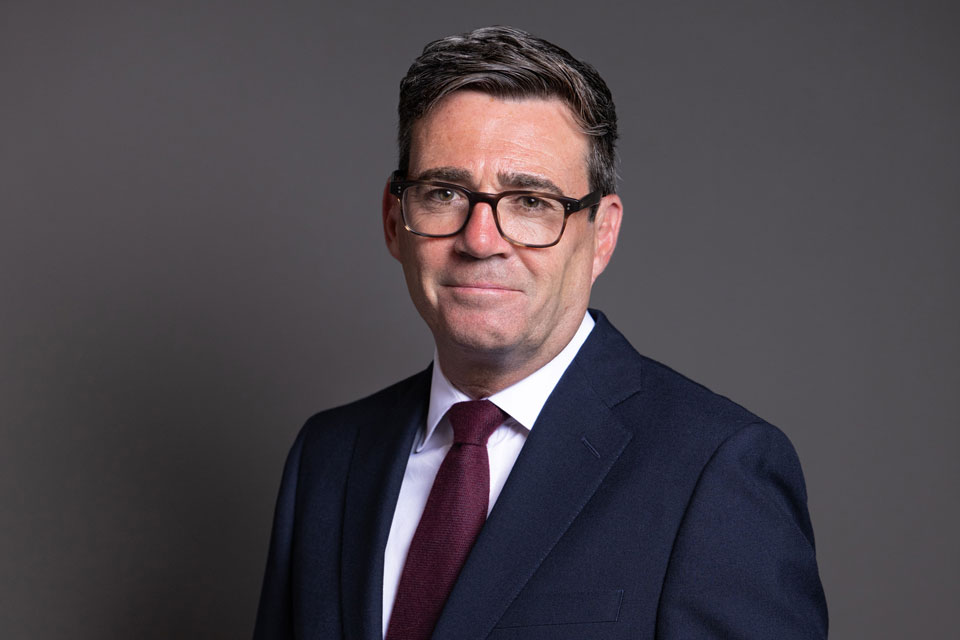
“I am increasingly confident that a more focused approach along these lines will allow us to reduce the number of people released early and, in the case of the most serious offenders like those convicted of the killing of PC Harper, prevent their early release altogether.”
Andy Burnham
In addition, the proposal to revisit IPP sentences places the government at the centre of a long-running debate over a form of imprisonment that was abolished for new offenders in 2012 but continues to affect thousands of people sentenced under the previous system.
IPP sentences were designed for offenders considered dangerous enough to require imprisonment for public protection, but prisoners could remain behind bars indefinitely if they failed to demonstrate that they were safe to return to society. Although the sentence itself was abolished, those already serving IPP sentences were not automatically released.
Critics have argued that the system has left prisoners trapped beyond the minimum periods originally imposed by courts, particularly where access to rehabilitation programmes and other opportunities to demonstrate reduced risk has been limited.
The government’s latest position therefore represents an attempt to address the legacy of the system while simultaneously responding to concerns that prison capacity must be preserved for offenders who pose the greatest threat to the public.
Meanwhile, the United Nations Working Group on Arbitrary Detention recently found that Britain was unlawfully detaining a number of prisoners who had served beyond their original IPP tariffs.

In its assessment of five cases, the UN body argued that keeping the men imprisoned long after the minimum terms imposed by courts amounted to arbitrary detention under international human rights law.
The UN group called for urgent action and said those affected were entitled to compensation.
Concerns over the psychological effects of extended incarceration under the IPP system have also been voiced by the UN special rapporteur on torture, who has warned that the sentences may constitute to psychological torture.
The results have put more pressure on the British government to address the situation of inmates who have served the minimum terms stipulated in their sentences but are still behind bars.
Burnham Faces Political Backlash Over Early Release and Prison Capacity
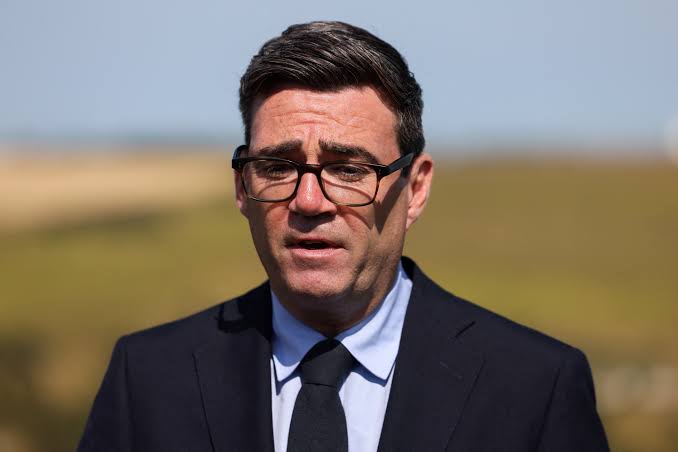
While Burnham’s proposals have been presented as an attempt to balance rehabilitation, prison capacity and public protection, the government’s position has already triggered fierce criticism from opposition politicians and campaigners representing victims and their families.
Conservative MP Chris Philp accused the government of repeatedly changing its position over the possibility that PC Harper’s killers could be released before serving their full sentences.
In a post on X, the Shadow Home Secretary stated that, “Andy Burnham and Labour are re-traumatising victims and their families with their constant u-turns.”
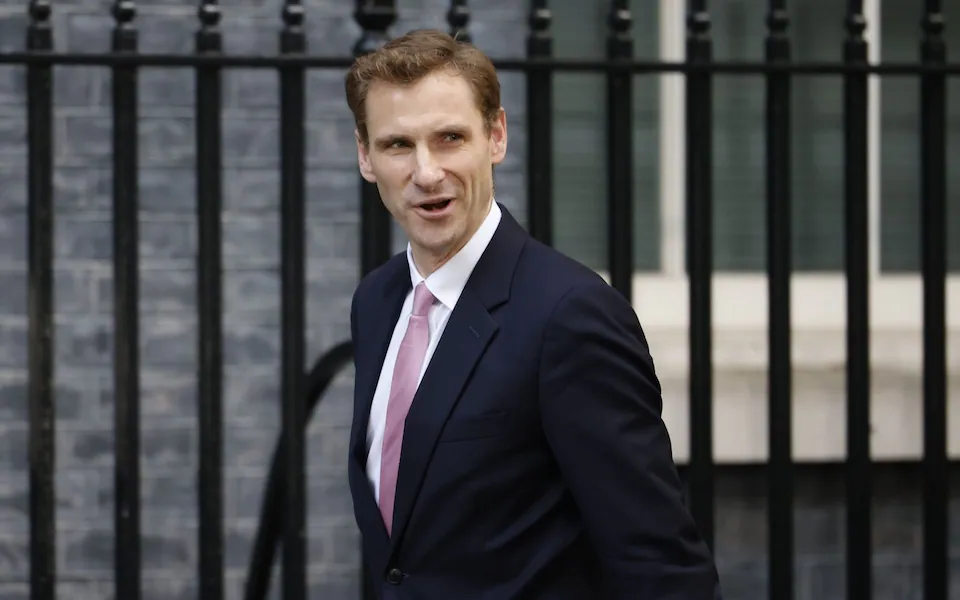
“It’s clear that good vibes and a snazzy t-shirt do not make for competent government. Mr Burnham is letting down victims and their families on a daily basis. It’s not good enough.”
Chris Philp
Justice Secretary Alex Norris, however, insisted that the government remains committed to keeping the most dangerous offenders behind bars.
Alex Norris mentioned that the government had been clear about its commitment to “go further in keeping more of the most serious offenders in prison.”
According to the Justice Secretary, the public “rightly expect prison places to be there for serious criminals.”

He added that his department was examining “every serious option” for creating additional capacity within the prison system.
Those options include “deporting foreign criminals faster, looking at whether we can safely make better use of the women’s estate and reviewing IPP sentences so we are holding the right people in the right way.”
READ ALSO: Syria Hands Death Sentence to Assad