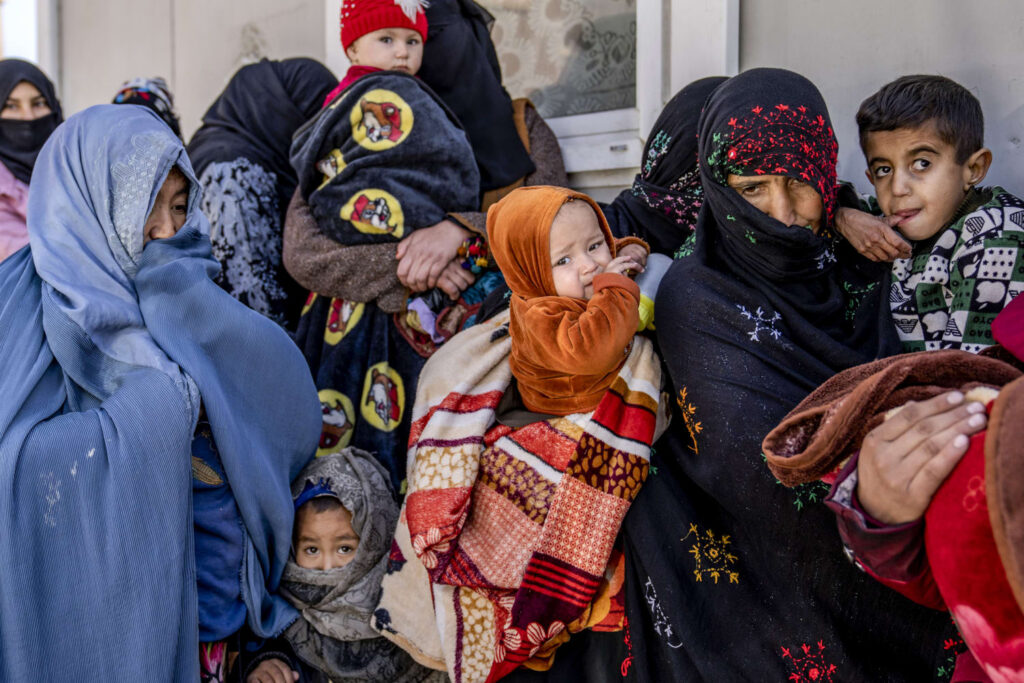
UNICEF has warned that Afghanistan’s child malnutrition situation is getting worse, with an estimated 3.7 million children suffering from wasting and approximately one million suffering from severe acute malnutrition that could be fatal.
The scale of the crisis is placing unprecedented pressure on hospitals and nutrition services across the country, as a combination of food insecurity, poverty, disease, climate-related shocks and strained household resources leaves millions of children increasingly vulnerable.
According to UNICEF, more than half a million children had been admitted for high-risk moderate wasting and severe wasting since the beginning of the year, while the number of children with severe acute malnutrition requiring hospital care because of medical complications has risen sharply compared with the same period in 2025.
The number of such cases increased from about 6,000 in July 2025 to 8,000 by July 2026, representing an increase of roughly one-third.
The crisis is particularly severe among Afghanistan’s youngest children. Nearly 40 per cent of children admitted to hospital with severe wasting and medical complications are babies under six months old, while children under the age of two account for 83 per cent of severe acute malnutrition cases.
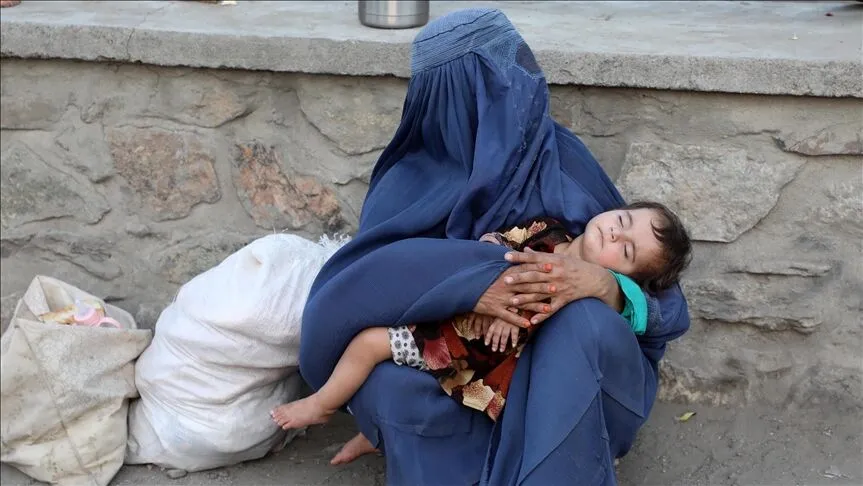
The situation has become so severe in parts of southern Afghanistan that some hospitals are treating three or four severely malnourished children for every available bed.
A recent UNICEF report, Too Little, Too Late: The Diet Crisis Facing Young Children in Afghanistan, examined child malnutrition alongside what children are actually consuming in households across all 34 provinces.
The findings point to widespread child food poverty, with families increasingly reducing the amount and variety of nutritious food available to children as household resources come under pressure.
“Half of Afghanistan’s children are living in severe child food poverty. That means they are eating foods from just two or fewer food groups a day.”
UNICEF
For children reaching six months of age, when nutritious complementary foods should be introduced alongside breastfeeding, the situation can be particularly dangerous. Instead of receiving diverse diets containing the nutrients necessary for growth and development, some children are reportedly surviving on basic meals such as bread with tea or watered-down yoghurt.
According to the organization, during times when malnutrition is at its worst, children from households with extreme food insecurity may be up to six times more likely to have wasting.
One of the most deadly types of malnutrition is wasting, which happens when youngsters get dangerously thin for their height. It can be brought on by a lack of nutrient-dense food, a disease, or both, and if treatment is put off, it can be lethal.
Moreover, the relationship between malnutrition and illness further complicates Afghanistan’s humanitarian situation. Children who are already undernourished can deteriorate rapidly after developing conditions such as severe diarrhoea or respiratory infections. Repeated illness can also increase the likelihood of a child becoming malnourished, creating a cycle that is difficult for vulnerable families to break.
UNICEF’s concerns are reinforced by conditions affecting communities beyond the immediate food crisis.
Afghanistan has experienced successive years of drought followed by destructive heavy rainfall and flash floods, creating further disruptions to livelihoods and food security. The agency also warned that climate-related shocks could intensify amid this year’s super El Niño.
At the same time, regional instability has disrupted cross-border trade and livelihoods, while the return of millions of Afghans is placing additional pressure on already limited household resources and essential public services.
Since 2023, about six million people have returned to Afghanistan, more than half of them children. UNICEF noted that the influx is adding pressure to jobs, household incomes and health and nutrition services.
Funding Shortfalls Threaten Afghanistan’s Strained Nutrition Response
The growing number of malnourished children is being compounded by a sharp reduction in the resources available to treat and prevent the crisis.
More than 100 sites treating children with severe wasting have closed this year compared with 2025 because of funding constraints, according to UNICEF.
Hundreds of other centres providing nutrition support to children, as well as pregnant and breastfeeding women suffering from malnutrition, have also lost funding.
The Nutrition Sector response in Afghanistan currently faces a 57% funding gap, while UNICEF’s own nutrition programme requires approximately $180 million for the year but has received only 22% of the funding needed.
UNICEF is therefore calling for a broader approach that addresses malnutrition before it becomes life-threatening.
According to the organization, more attention should be paid to women’s nutritional needs throughout pregnancy, breastfeeding support, and the introduction of various healthy foods beyond six months. Health care, clean water and sanitation, immunisation, and social protection must all collaborate to protect vulnerable families.
UNICEF and its partners are focusing their First Foods Initiative on children aged six to 23 months.
However, without more and consistent support, the organization cautioned that the response will struggle to keep up with the rising requirements.
READ ALSO: KiDi Teams with Arathejay on Lonely Track Thursday