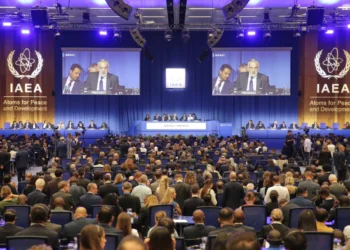
Pakistan’s Deputy Prime Minister and Foreign Minister Mohammad Ishaq Dar has held a phone conversation with International Atomic Energy Agency (IAEA) Director General, Rafael Grossi on the evolving regional situation, with both officials stressing the importance of implementing an agreement aimed at easing tensions.
According to Pakistan’s Foreign Ministry, Dar and Grossi discussed the “evolving regional situation” during the call and agreed that implementation of the Islamabad Memorandum of Understanding (MoU) remained the best course of action for defusing tensions.
The ministry disclosed that Grossi offered to provide any technical support required to facilitate implementation of the agreement, signalling continued international interest in efforts to restore dialogue and prevent further escalation in the region.
The June 17 Islamabad MoU was intended to provide a framework for a 60-day period of peace talks between Iran and the United States. The agreement also included provisions concerning the reopening of the Strait of Hormuz, a strategically important waterway that has emerged as a major flashpoint amid the conflict.

The Strait of Hormuz is critical to global energy flows, making restrictions on its passage a significant regional and international concern. The waterway connects the Persian Gulf with the Gulf of Oman and is used by a substantial share of global oil shipments.
However, the Islamabad agreement expired in mid-August without achieving its intended objectives, with Iran and the United States accusing each other of failing to comply with its provisions.
The expiration has left efforts to revive the dialogue at an uncertain stage. Regional actors, including Pakistan and Qatar, have continued attempts to facilitate renewed discussions between the parties, but implementation of the agreement remains effectively frozen.
Iran has also maintained restrictions on the Strait of Hormuz, linking any reopening of the waterway to renewed commitments from Washington. The issue has consequently remained closely tied to wider diplomatic efforts to reduce tensions and establish a framework for further negotiations.
The latest engagement reflects Islamabad’s continued effort to position itself as a diplomatic intermediary in a region facing heightened tensions. Dar’s discussion with Grossi also brings the IAEA into the broader conversation, particularly given the agency’s mandate to support nuclear safety, safeguards and peaceful uses of nuclear technology.
The involvement of the IAEA could provide technical expertise in areas where implementation of the Islamabad MoU requires verification or other forms of specialist support. Grossi’s offer therefore provides a potential mechanism for strengthening confidence around the implementation process if the parties agree to resume the framework.
Dar, meanwhile, reaffirmed Pakistan’s broader commitment to international law and multilateral institutions, underscoring Islamabad’s stated preference for resolving regional disputes through diplomacy and established international mechanisms. Dar “reaffirmed Pakistan’s enduring commitment to advancing the purposes and principles of the UN Charter and to respecting international law and treaties,” according to the Foreign Ministry.
Dar Highlights UN Role, Wishes Grossi Well
During the conversation, Dar also stressed the crucial importance of the United Nations system in achieving the global peace and development agenda.
The Pakistani Foreign Minister further wished Grossi well in his campaign for the position of UN Secretary-General, as the IAEA Chief seeks to move from leading the UN’s nuclear watchdog to the organisation’s top diplomatic post.
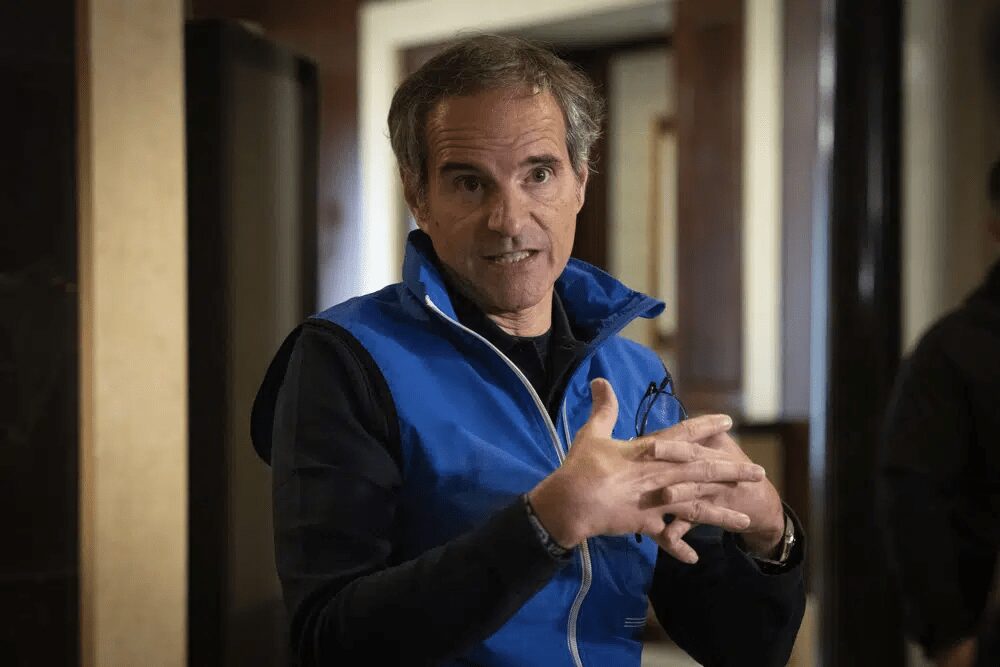
The exchange highlights Pakistan’s continued emphasis on the role of multilateral institutions in addressing international disputes, while keeping diplomatic channels open amid efforts to revive the stalled Islamabad framework.
Pakistan Reviews Programme for UN General Assembly
Separately, Dar chaired a meeting to review Pakistan’s programme for the 81st Session of the United Nations General Assembly, as Islamabad prepares for its engagement in the high-level session.
The Foreign Secretary and Special Secretary (UN) briefed the Deputy Prime Minister and Foreign Minister on the proposed programme, which includes high-level engagements, bilateral meetings and other key activities planned on the sidelines of the General Assembly.
Dar reviewed the proposed programme and provided guidance on its priorities and arrangements, while directing officials to ensure close coordination and a high level of readiness for Pakistan’s participation.
The meeting comes as Pakistan seeks to strengthen its diplomatic engagement at the United Nations, with the country expected to use the high-level session to pursue bilateral discussions and advance its positions on issues of regional and international importance.
The preparations also underscore the importance Islamabad places on multilateral diplomacy, particularly as Dar has reaffirmed Pakistan’s commitment to the principles of the UN Charter and the role of the UN system in advancing global peace and development.
READ ALSO: US Supreme Court Blocks Trump Mail Ballot Restrictions