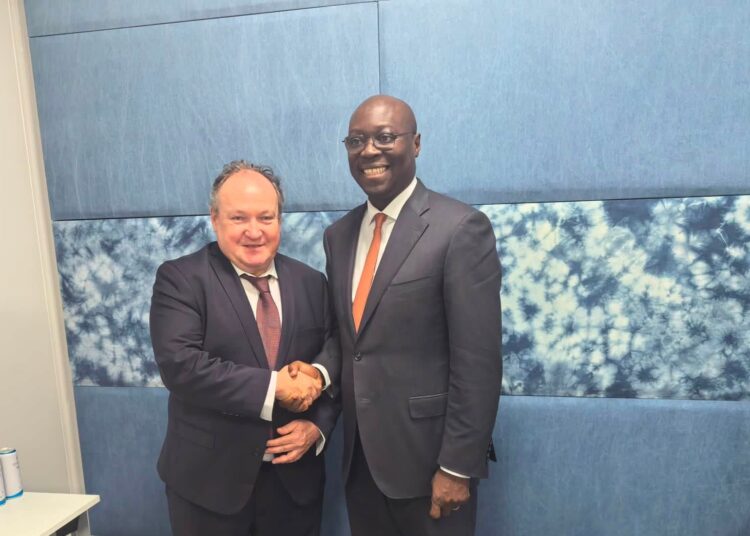
Finance Minister Dr. Cassiel Ato Forson has announced a €323 million financing package for the Northern Ghana Water and Sanitation Project. The announcement comes as he leads Ghana’s delegation to the 2026 Annual Meetings of the International Monetary Fund (IMF) and the World Bank Group in Bangkok, Thailand.
The package combines a €68 million grant from the European Commission, a €30 million grant from Invest International, the Dutch government initiative, and a €225 million facility from the European Investment Bank (EIB). It targets Tamale, Yendi and Damongo, where residents have endured long periods without reliable access to piped water.
“The project will address persistent water shortages in Tamale, Yendi and Damongo and improve sanitation across these communities.”
Dr Cassiel Ato Forson, Ghana’s Minister for Finance
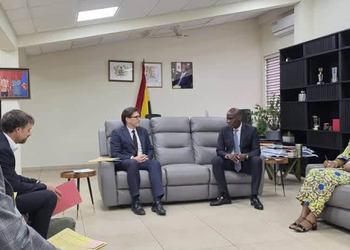
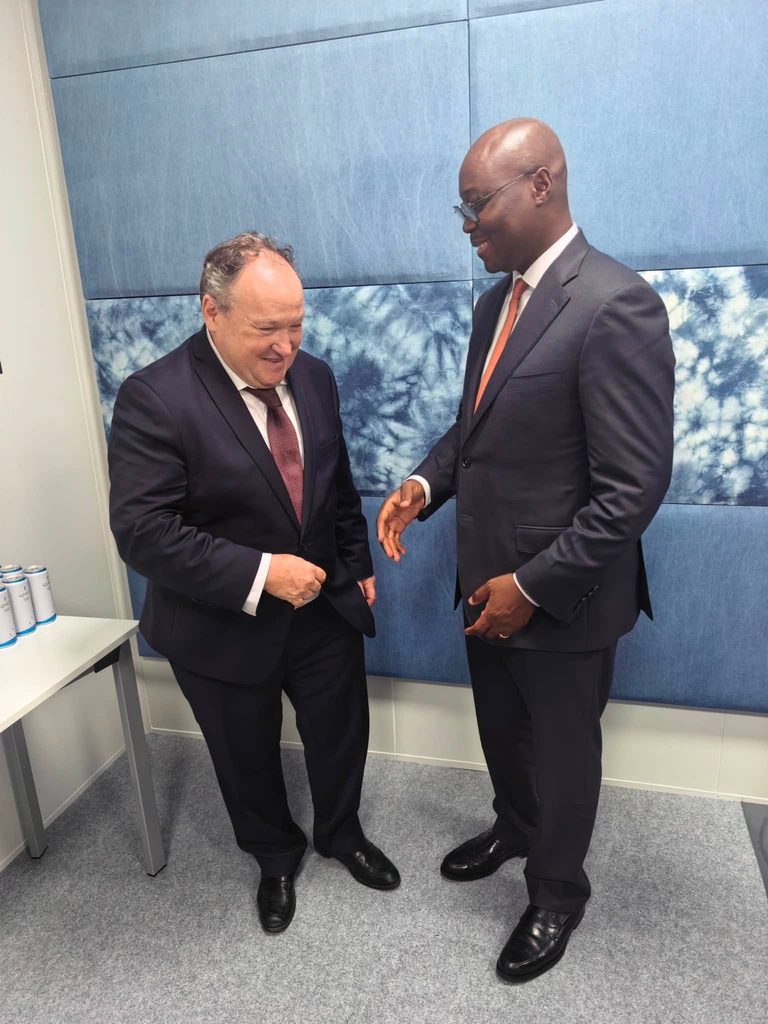
Dr Ato Forson disclosed the funding after talks with the EIB leadership. “I have just concluded a productive meeting with European Investment Bank Vice-President Ambroise Fayolle on the financing package for the Northern Ghana Water and Sanitation Project.”
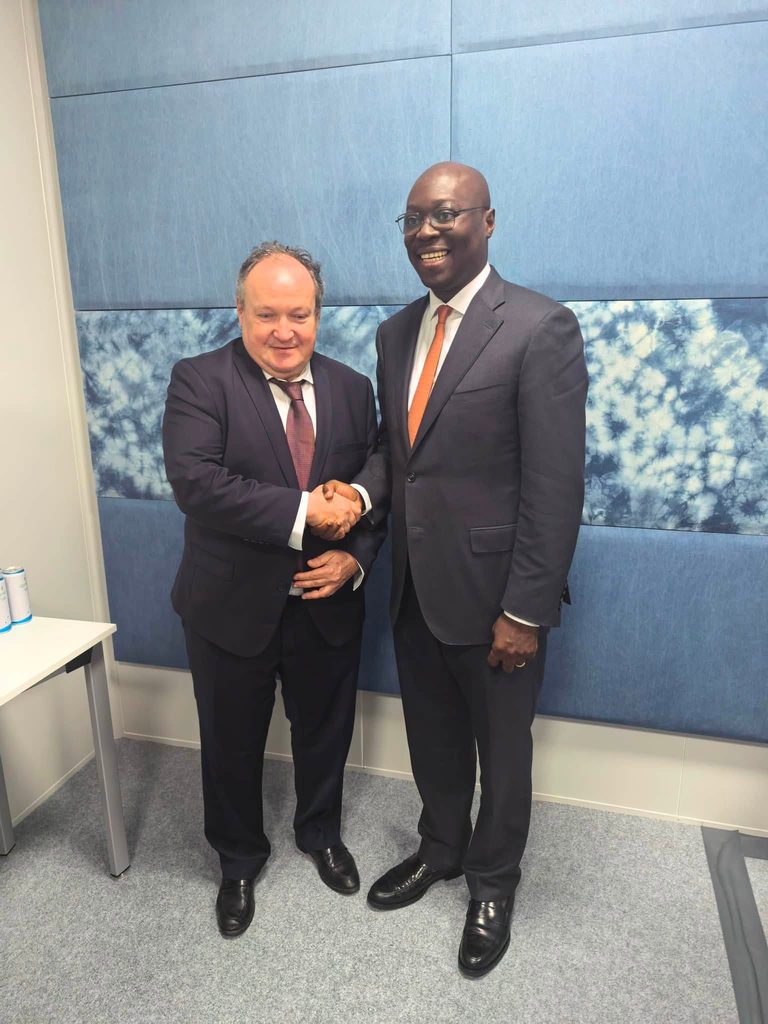
The two grants total €98 million, with the European Commission contributing €68 million and Invest International adding €30 million. The EIB supplies the largest share. Dr Ato Forson described its €225 million facility as “highly concessional,” which signals favourable lending terms for the project.
Minister Leads Ghana’s Delegation in Bangkok
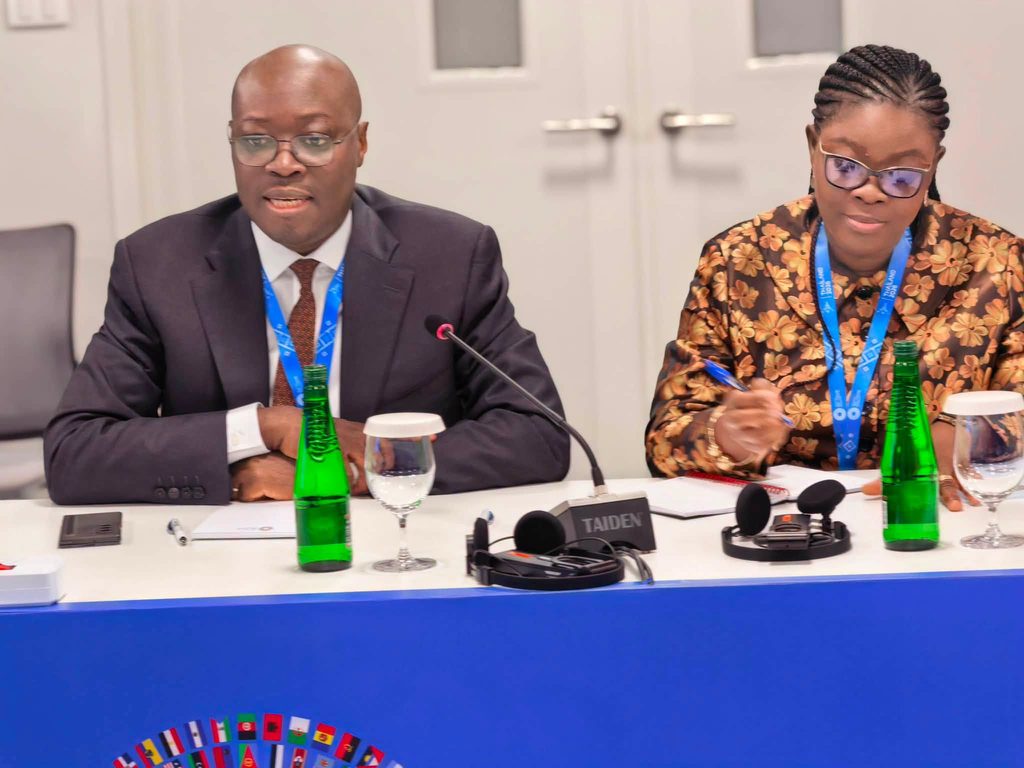
The funding news arrives while Dr Ato Forson represents Ghana at the global financial gathering in Thailand. The meetings run from October 12 to 18, 2026, in Bangkok. The venue also carries a milestone, because it marks the first time the annual gathering is held outside Washington, D.C., since Forson took office.
Dr Ato Forson does not travel alone. Bank of Ghana Governor Dr. Johnson Pandit Asiama sits on the delegation, which gives Ghana both its chief fiscal officer and its central bank head at the table.
The package responds to a problem that has built up over decades. Tamale’s population has grown significantly, yet its infrastructure has seen limited expansion. That mismatch between demand and capacity produced chronic shortages, which have now escalated into a severe crisis.
The shortage has become a humanitarian challenge. Residents in many parts of Tamale spend prolonged periods without piped water, and as taps run dry, households turn to alternative sources that are often unsafe and untreated. Health authorities and community leaders have raised fears of waterborne diseases.
Schools, Households and Worshippers Bear the Cost
The crisis has disrupted daily life across the city. Students in several schools have reportedly missed classes while searching for water. Families face growing financial strain because the price of basic water containers has risen, which adds pressure to household budgets that were already stretched.
Limited access to water has also complicated religious observances that require regular washing. Environmental conditions have worsened the situation. Changes in rainfall patterns and prolonged dry periods have lowered water levels in local dams and dugouts, which usually serve as fallback sources during shortages.
Illegal sand mining along key water bodies has also disrupted water intake systems and reduced the efficiency of treatment plants. Together, these pressures have cut the supply of raw water and made consistent delivery harder to maintain.
Earlier Government Promises Meet a Funding Base
Senior officials have pledged action on the Tamale water crisis in recent months. President John Dramani Mahama promised 30 million gallons to fix the shortage in April 2026.
Hon. Haruna Iddrisu also pledged that the government would resolve the crisis that same month. In August, Hon. Iddrisu argued that the Big Push agenda must benefit every sector of the economy.
The €323 million package now gives those commitments a financing base. Ageing infrastructure and environmental degradation have created a complex challenge for Tamale, and the shortage calls for both immediate intervention and long-term planning.
READ ALSO: IMF Backs Ghana’s Economic Buffers Against Global Commodity Turmoil