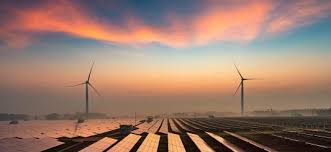
The global energy transition gathered further momentum in 2024, with renewable energy accounting for almost one-third of the world’s electricity generation, underscoring the growing shift away from fossil fuels and reinforcing the urgency for countries such as Ghana to accelerate investments in clean energy while balancing energy security and economic development.
The latest data released by the International Renewable Energy Agency (IRENA) shows renewable electricity generation rose by 9.8 percent in 2024, significantly outpacing the 1.4 percent growth recorded by non-renewable sources.
The figures come as Ghana intensifies efforts to expand solar generation, promote electric mobility and implement its broader energy transition agenda, while continuing to rely on natural gas and petroleum revenues to support economic growth.
Global transition gathers pace
According to IRENA’s Renewable Energy Statistics 2026 report, renewable energy generated 9,836 terawatt-hours (TWh) of electricity in 2024, representing 31.7 percent of global electricity production.
The agency noted that although the growth demonstrates strong momentum, the pace remains insufficient to meet global climate ambitions.
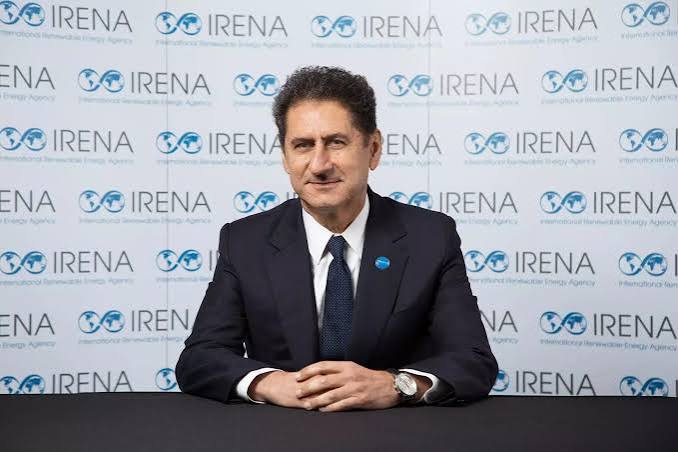
The world is rallying behind electrification as a cornerstone of the energy transition with renewable electricity as its driving force.
Francesco La Camera, Director-General, IRENA
Mr. La Camera added that growing global support for electrification reflects increasing recognition that clean electricity enhances energy security, economic competitiveness and resilience.
This will require renewable electricity generation to expand at an unprecedented pace over the next decade, around 2.5 times today’s level.
Francesco La Camera, Director-General, IRENA
The report estimates that renewables will need to supply about 78 percent of global electricity by 2035 if countries are to support the new global electrification target announced by the incoming COP31 Presidency of Türkiye, which seeks to increase electricity’s share of final energy demand to 35 percent by 2035.
What the figures mean for Ghana
The latest global data arrives at a time when Ghana is pursuing an increasingly ambitious clean energy agenda while simultaneously working to maximise value from its petroleum resources.
Over the past year, government has announced several renewable energy initiatives, including the establishment of the Renewable Energy and Green Transition Fund, expanded deployment of solar-powered irrigation systems, solar street lighting programmes, rooftop solar initiatives and policies to encourage electric vehicle charging infrastructure.
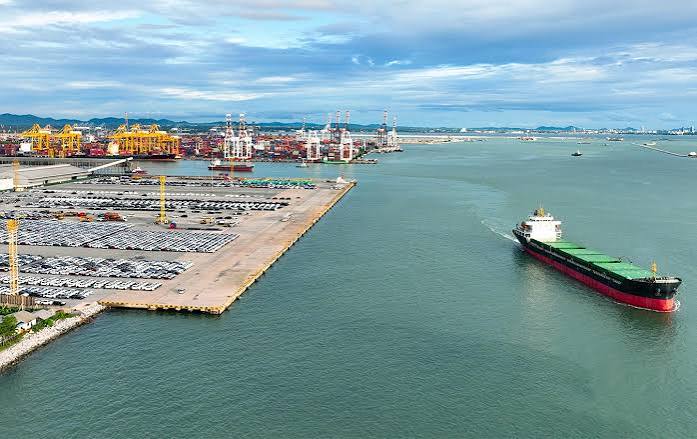
Government has also confirmed that construction of the first phase of the 1,500-megawatt Buipe Solar Power Project is expected to begin this year under the 24-Hour Economy Programme, with the project intended to lower industrial electricity costs and improve Ghana’s manufacturing competitiveness.
These initiatives reflect Ghana’s attempt to pursue what policymakers frequently describe as a “just transition”, expanding renewable energy without undermining energy security, industrialisation or revenues generated from oil and gas.
The approach has become increasingly important as international financing for fossil fuel projects tightens and many African economies seek to balance climate commitments with economic realities.
Earlier this month, the Public Interest and Accountability Committee (PIAC) cautioned that Ghana must carefully shape its own energy transition strategy to avoid undermining petroleum revenues before alternative industries become sufficiently developed to replace them.
Africa still has room for growth

Although renewable generation continues to expand globally, Africa remains one of the smallest contributors to global renewable electricity production despite possessing enormous renewable energy potential, as reported by Energy Live News.
IRENA reported that Africa generated 227 TWh of renewable electricity in 2024, representing annual growth of 5.7 percent.
By comparison, Asia remained the world’s largest renewable electricity producer after generating 4,589 TWh during the year, followed by Europe with 1,758 TWh and North America with 1,535 TWh.
The Middle East recorded the fastest regional growth rate at 17.3 percent, although from a much smaller generation base.
The disparity highlights one of Africa’s biggest energy paradoxes. While the continent possesses abundant solar, wind, hydro and geothermal resources, investment levels remain significantly below global averages, constrained by financing challenges, grid limitations and infrastructure deficits.
For Ghana, analysts say the challenge is no longer simply increasing renewable generation but integrating renewable power into a reliable electricity system capable of supporting industrial development.
Solar generation, for instance, must increasingly be accompanied by battery energy storage, stronger transmission infrastructure and modern grid management systems to ensure stable power supply.
Investment will determine the pace
Beyond electricity generation, IRENA’s report also points to sustained global investment in renewable infrastructure.
The agency revised its renewable capacity figures for 2025, showing that global renewable installations reached a record 693 gigawatts during the year, increasing worldwide renewable capacity to 5.2 terawatts.
Renewables accounted for 85.7 percent of all new power generation capacity installed globally during 2025 and now represent almost half of total installed electricity capacity worldwide.
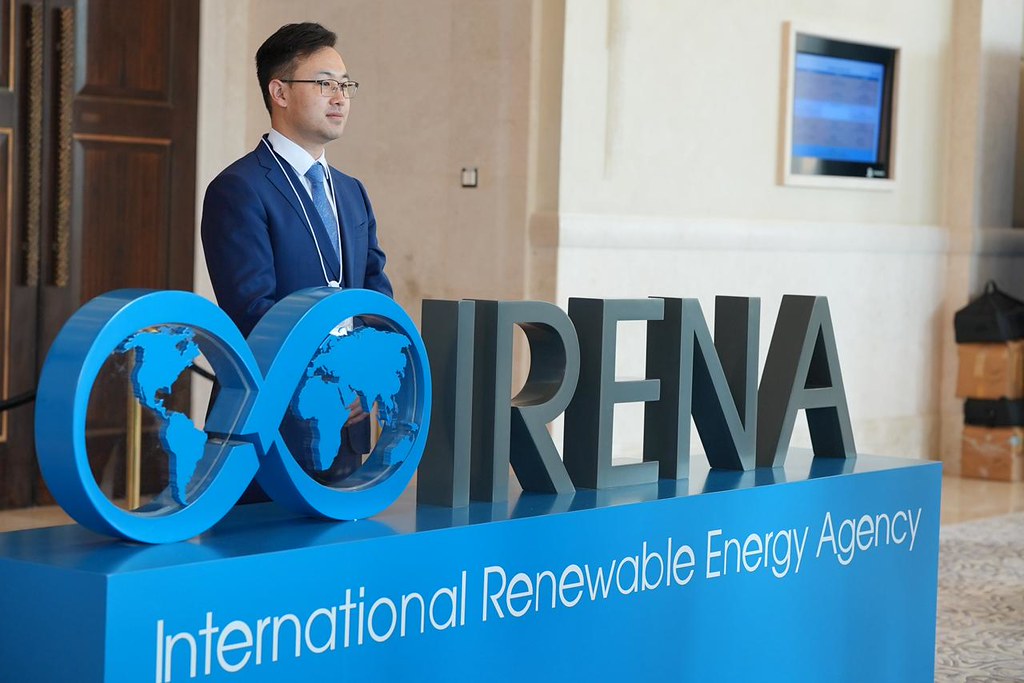
The figures reinforce a broader investment trend that is reshaping global energy markets.
As international capital increasingly flows toward renewable energy projects, countries seeking to attract investment are under growing pressure to develop stable regulatory frameworks, modern transmission networks and bankable clean energy projects.
For Ghana, this presents both opportunities and challenges.
Government continues to court investors for large-scale renewable energy projects while simultaneously positioning the country as a regional petroleum and logistics hub.
Recent engagements with international partners, including the United Kingdom, the United Arab Emirates and major upstream investors, indicate that Ghana’s strategy remains centred on maintaining petroleum investment while gradually expanding renewable energy deployment.
Industry observers argue that this balanced approach is likely to remain central to Ghana’s energy policy in the coming years.
Transition must also strengthen energy security
The rapid global expansion of renewable electricity also raises broader questions about energy security and affordability, issues that remain particularly important across developing economies.
Unlike many advanced economies, African countries continue to grapple with growing electricity demand, industrialisation needs and the imperative of expanding access to reliable power.

This means that while renewable energy will play an increasingly significant role, natural gas is expected to remain an important transition fuel in countries such as Ghana, supporting electricity generation while reducing reliance on more expensive liquid fuels.
The challenge for policymakers will be ensuring that investments in renewables complement, rather than destabilise, existing energy systems.
As global momentum behind clean energy continues to accelerate, Ghana’s long-term success may depend less on choosing between hydrocarbons and renewables than on integrating both into a resilient energy system capable of supporting industrial growth, attracting investment and ensuring affordable electricity for households and businesses.
The latest IRENA figures suggest the global transition is no longer a distant ambition but an accelerating reality. For Ghana, the task now is to ensure that its own transition proceeds at a pace that protects economic growth while positioning the country to compete in an increasingly low-carbon global economy.
READ ALSO: Court Dismisses AG’s Bid Challenging Hanan’s Medical Travel Approval