

Ghana’s ambition to build a resilient gas economy will depend on how effectively the country strengthens the entire natural gas value chain, from supply and infrastructure to commercial arrangements and demand.
The Ghana National Petroleum Corporation (GNPC) has stressed that tackling individual challenges within the gas sector in isolation will not be enough to improve energy security or maximise the economic value of the country’s gas resources.
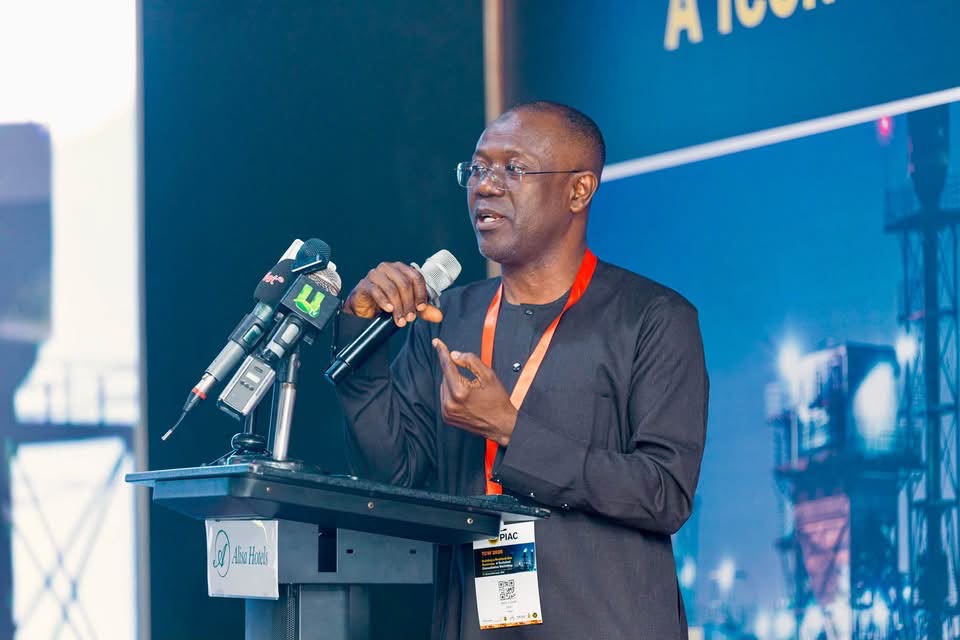
The position was presented by GNPC Deputy Chief Executive, Finance, Commercial and Administration, Hamis Ussif, at the Public Interest and Accountability Committee (PIAC) technical consultative workshop on building a resilient gas economy.
The engagement brought attention to the interconnected challenges facing Ghana’s gas sector and the need for stronger coordination among institutions and industry players.
For GNPC, resilience cannot simply mean having gas resources available underground or increasing production.
It must also mean having the infrastructure, commercial structures and demand required to move the resource efficiently through the economy.
Supply Security Underpins Gas Resilience
Reliable supply remains the starting point for Ghana’s efforts to deepen the role of natural gas in the economy.
Gas has become an increasingly important component of Ghana’s energy system, particularly in electricity generation.
This makes disruptions in gas supply more than an upstream concern, as weaknesses in the gas system can have consequences for power generation and, by extension, businesses and households.
Mr Ussif therefore identified strengthening gas supply as one of the key areas requiring attention as Ghana seeks to build a more resilient gas economy.
However, expanding supply alone would not resolve the sector’s challenges.
A larger volume of gas must be supported by infrastructure capable of processing and transporting it, commercial arrangements that make transactions sustainable, and sufficient demand to absorb the resource.
That interconnectedness was central to GNPC’s message at the workshop.
“On building a resilient gas economy, the entire value chain must work.”
GNPC Deputy Chief Executive, Finance, Commercial and Administration, Hamis Ussif
The statement captures a fundamental challenge for Ghana: the value of natural gas is ultimately determined not only by how much is produced, but by how effectively it can be delivered to consumers and converted into economic activity.
Infrastructure Must Keep Pace
Infrastructure forms the physical backbone of the gas economy.
Where processing and transportation capacity is inadequate, available gas cannot necessarily reach power plants, industries and other users when required. This can create bottlenecks even when resources exist within the country.

For Ghana, strengthening infrastructure is therefore closely connected to improving energy security.
Investment in infrastructure can provide the capacity required to move gas from production and processing facilities to areas of demand, while also creating greater flexibility within the system.
The issue is particularly important as Ghana seeks to increase domestic utilisation of its natural gas resources.
A resilient system needs infrastructure that can support present demand while allowing room for future growth.
This requires coordination between infrastructure development and decisions on supply and demand.
Building infrastructure without considering where future gas demand will emerge could result in underutilised assets, while expanding demand without the supporting infrastructure could place additional pressure on the system.
GNPC’s position points towards the need to address both sides simultaneously.
Commercial Structures Need Greater Coordination
Beyond physical infrastructure, the commercial architecture of Ghana’s gas sector also matters.
Gas moves through a chain involving producers, aggregators, infrastructure operators and end users.

Each participant needs sufficient certainty around the commercial arrangements governing the movement and use of gas.
Weaknesses in one part of that chain can affect the wider market.
For example, increased supply would have limited economic value if commercial arrangements do not enable that gas to reach viable consumers.
Similarly, infrastructure investment could become difficult to sustain if there is insufficient demand or inadequate commercial certainty.
GNPC, in its role as national gas aggregator, is positioned at an important point within this system.
Mr Ussif said the Corporation remains committed to working with stakeholders to identify practical solutions that can strengthen the sector.
“No single institution can resolve these issues on its own.”
GNPC Deputy Chief Executive, Finance, Commercial and Administration, Hamis Ussif
The message places collaboration at the centre of Ghana’s gas strategy.
Rather than treating supply constraints, infrastructure gaps, commercial issues and demand as separate policy questions, the approach calls for them to be considered as parts of one system.
Demand Must Develop Alongside Supply
Demand is another critical component of a resilient gas economy.
Increasing gas availability without sufficient demand could weaken the commercial case for investments across the value chain.
On the other hand, rapidly increasing demand without adequate supply and infrastructure could expose consumers to shortages and reliability challenges.
Ghana therefore needs to ensure that the development of gas supply is matched by growth in productive domestic demand.
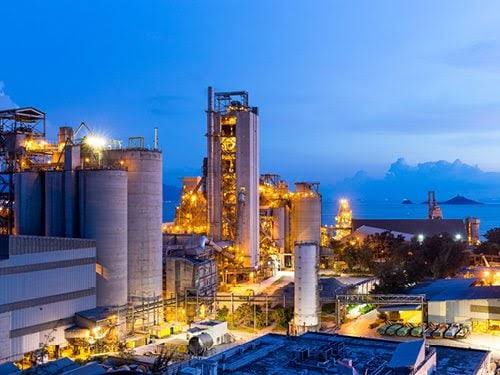
Power generation remains an important area because of the role natural gas plays in Ghana’s electricity system. Industrial users also provide an avenue for converting domestic gas resources into economic activity.
Greater gas utilisation in productive sectors could support industrial operations while strengthening the domestic market for Ghana’s gas resources.
But the relationship works both ways. A reliable gas market requires consumers to have confidence that supply will remain available, while suppliers and infrastructure investors require sufficient demand to justify long-term commitments.
This creates a need for greater alignment between energy planning, infrastructure investment and industrial development.
Turning Gas Resources Into Economic Value
Ghana’s natural gas resources provide an opportunity to reduce vulnerabilities associated with external energy markets, but the resource itself does not automatically create energy security.
The country must be able to produce, process, transport and consume gas efficiently.
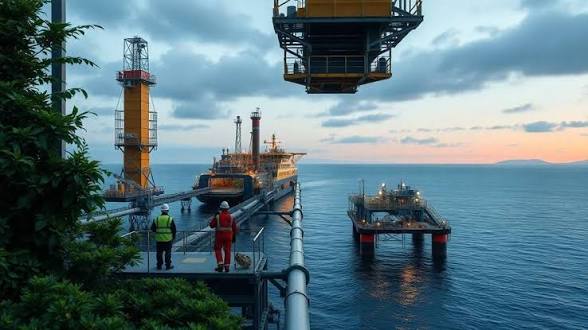
That makes the development of the gas economy a question of system design as much as resource availability.
GNPC’s role as the national oil company and national gas aggregator gives it a central responsibility in coordinating aspects of that system.
However, the Corporation’s message suggests that broader industry participation will be required if Ghana is to address the structural challenges affecting the sector.
The PIAC technical consultative workshop therefore comes at a point where discussions around Ghana’s gas economy are increasingly shifting towards resilience and value creation.
The emphasis is not simply on producing more gas, but on ensuring that the gas already available and future resources can support a dependable domestic energy system.
Collaboration Critical To Energy Security
For Ghana, the success of the gas sector will ultimately depend on whether the different parts of the value chain operate in coordination.
Supply must be dependable. Infrastructure must be capable of moving gas where it is needed. Commercial arrangements must support investment and transactions, while demand must grow sufficiently to sustain the market.
Failure in any one of these areas can weaken the performance of the wider system.
GNPC’s call for collaboration therefore reflects the practical reality that Ghana’s gas challenges extend beyond the mandate of any single institution.
As the country seeks to strengthen energy security and extract greater economic value from its domestic resources, the focus will increasingly have to shift towards building an integrated gas system capable of supporting power generation, industry and broader economic activity.
The Corporation’s message from the PIAC workshop is consequently straightforward: resilience will depend on the entire value chain working together, rather than individual institutions attempting to solve isolated problems.