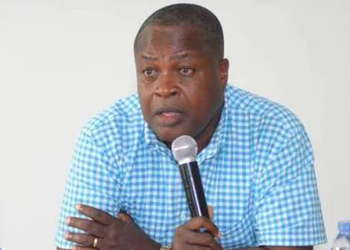
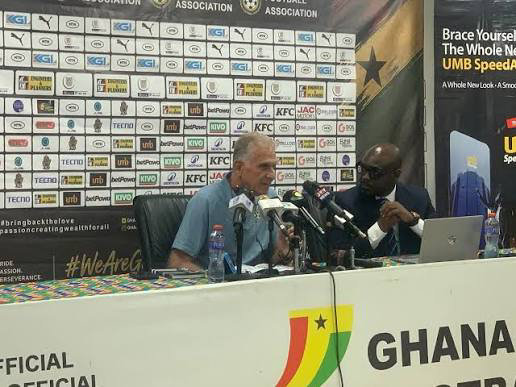
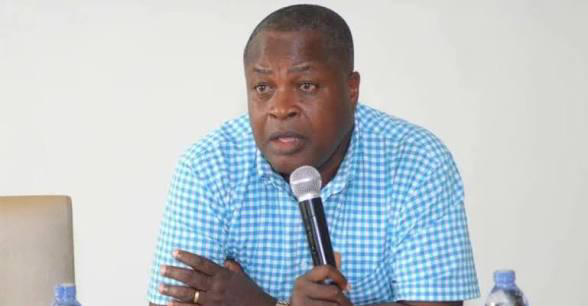
The Communications Director at the Ghana Football Association (GFA), Henry Asante-Twum, has revealed that the lack of adequate sporting infrastructure was among the reasons Carlos Queiroz decided to leave his position as head coach of the Black Stars.
The Portuguese coach parted ways with the GFA by mutual agreement last week after a disappointing start to Ghana’s 2027 Africa Cup of Nations qualifying campaign.
Ghana opened Group C with a 2-0 defeat to Côte d’Ivoire in Bouaké before suffering an even more damaging 4-2 loss to The Gambia in Accra, despite taking a two-goal lead in the first half.
The back-to-back defeats left the Black Stars in a difficult position in their bid to qualify for the 2027 AFCON, with pressure quickly mounting on Queiroz after only two competitive matches in his new contract.
However, according to Asante-Twum, the results against Côte d’Ivoire and The Gambia were not the factors behind the coach’s departure.
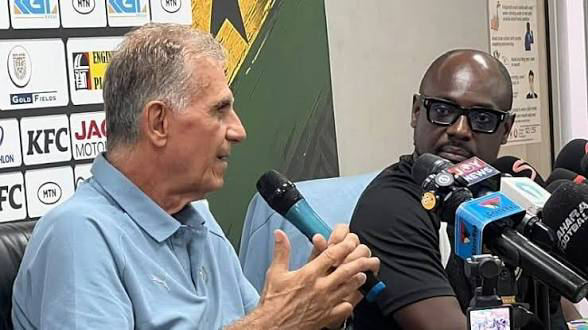
He disclosed that Ghana’s inadequate football infrastructure had become a significant concern for Queiroz, who was reportedly surprised by the conditions under which the national team operated. “One of the reasons Carlos Queiroz left his role is the lack of infrastructure in the country,” Asante-Twum said.
The GFA communications chief explained that Queiroz struggled to understand why the Black Stars did not have a dedicated camping base and were required to conduct their preparations at the same venue where they played their home matches. “He was surprised that the Black Stars do not have a camp base and that the same stadium is used for both training and matches,” Asante-Twum added.
The situation, according to Asante-Twum, goes beyond the absence of a permanent base for the national team.
Queiroz was also concerned about the impact of repeatedly training and playing on the same pitch. “He believes this affects the team and the quality of the pitch,” the GFA official said.
Ghana’s Infrastructure Problem Exposed
The infrastructure problem has become increasingly difficult for Ghana as the country struggles to provide suitable venues for international football.
Ghana currently has only one stadium approved by the Confederation of African Football (CAF) to host international matches, the Accra Sports Stadium.
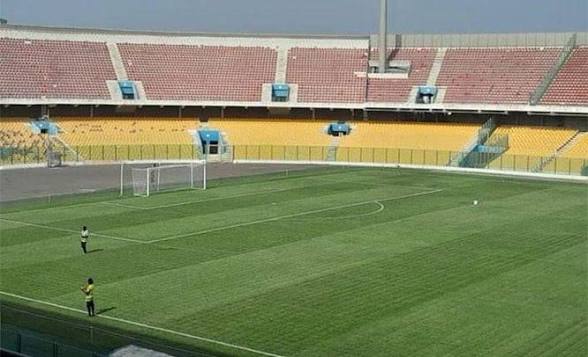
That dependency has placed additional pressure on the facility, particularly when the Black Stars have international assignments. The stadium has repeatedly had to undergo preparation and rehabilitation work ahead of major national team fixtures.
For a national team competing at the highest level, the absence of a dedicated training and camping facility presents a serious logistical challenge. It can also affect preparation, pitch quality and the overall environment in which players and coaches work.
Queiroz’s concerns therefore highlight a problem that extends beyond the technical performance of the Black Stars. Ghana’s football authorities face the broader challenge of providing the infrastructure required to support a consistently competitive national team.
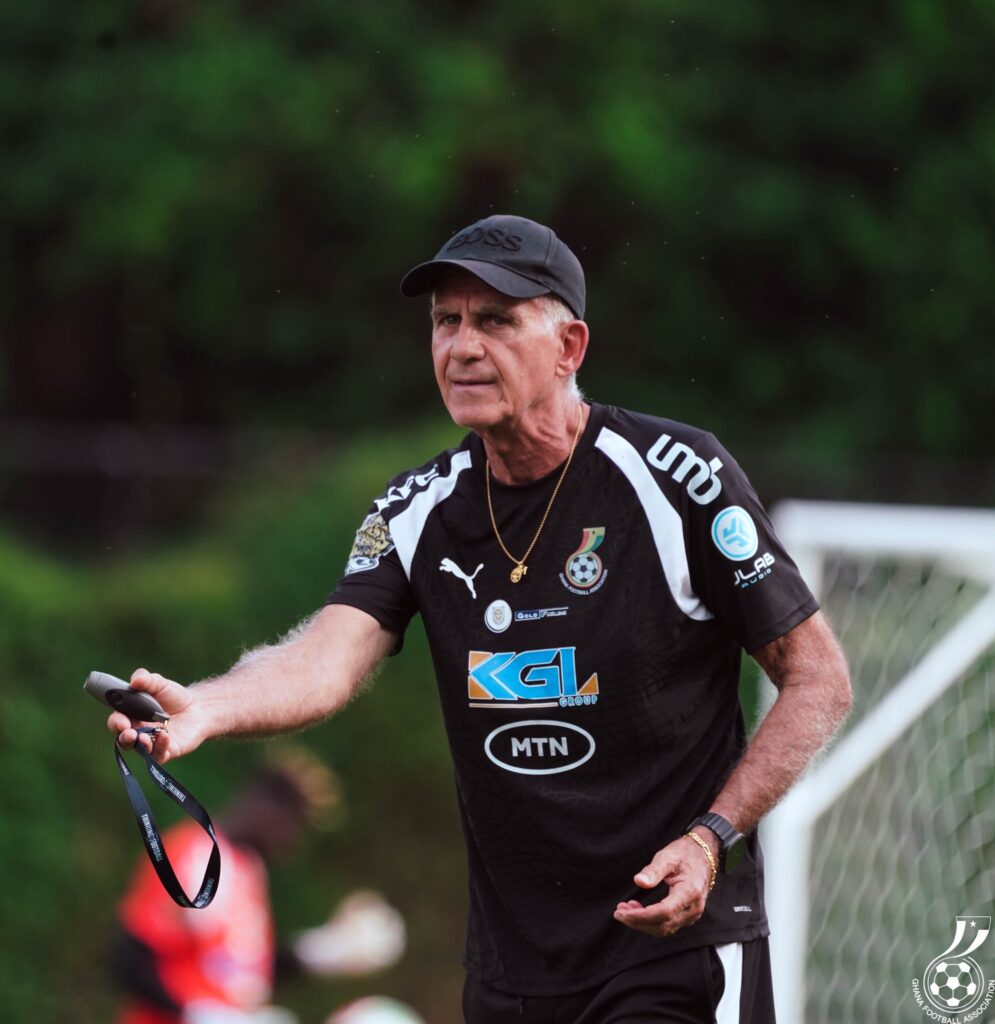
The 73-year-old’s experience with other national team including Portugal, Columbia, Egypt and Iran might have given him a shock when he realized Ghana doesn’t have a camping base.
The coach’s departure also comes at an awkward time for the GFA because he had only recently signed a new contract after initially being appointed on a short-term agreement.
From World Cup ”Success” to Sudden Exit
Queiroz was brought in following Otto Addo’s departure to guide Ghana into the 2026 FIFA World Cup, with the Portuguese tasked with leading the Black Stars through the tournament in the United States, Canada and Mexico.
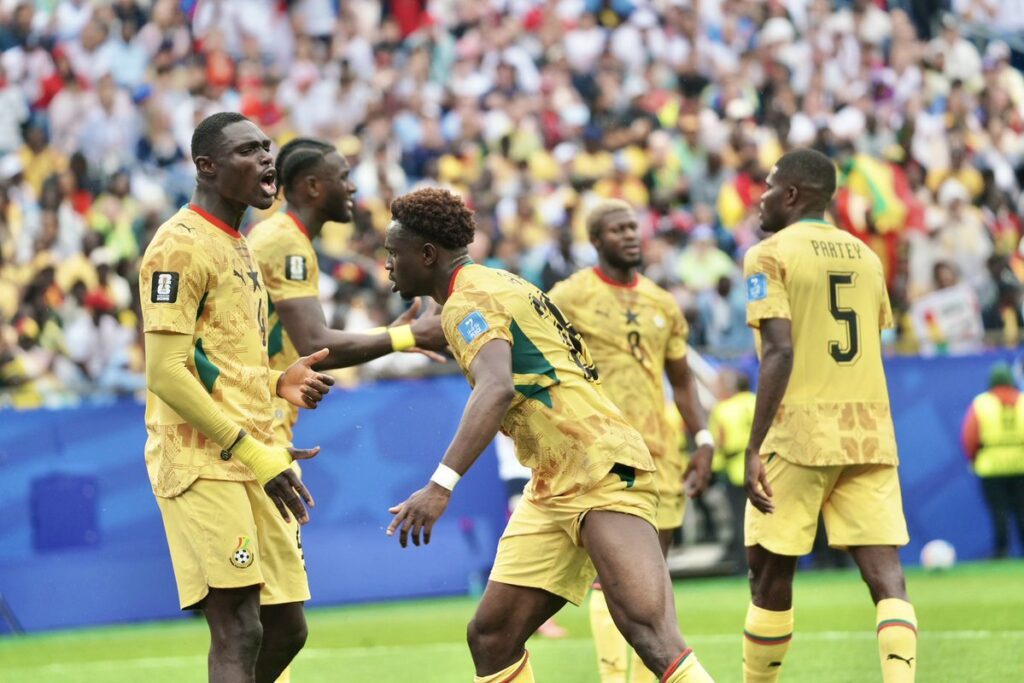
Despite the team’s struggles during the early stages of his tenure, Queiroz ultimately guided Ghana into the knockout phase of the World Cup, marking the Black Stars’ first appearance in the knockout rounds since the 2010 tournament in South Africa.
That achievement earned him a new contract as Ghana looked to build on the progress made at the World Cup and prepare for the next phase of the national team’s development.
His tenure, however, lasted less than a month into the new contract before the two sides agreed to terminate their relationship.
The timing has raised questions about whether Ghana’s football problems are being assessed too narrowly through coaching appointments and results, when deeper structural issues continue to affect the national team.
Queiroz himself had initially insisted after the defeat to The Gambia that he remained the right person to lead the Black Stars. His subsequent departure suggests that the challenges surrounding the team were more extensive than what could be solved through tactics or coaching decisions alone.
The revelation from Asante-Twum now places infrastructure firmly among the issues Ghana must address as it searches for a new direction.
With the Black Stars already facing a difficult AFCON qualifying campaign, the GFA and the Ministry of Sports and Recreation must now confront not only the question of who should coach the team, but also whether the environment provided for the next coach is good enough to succeed.
A five-member committee led by Fred Pappoe has been constituted to search for the new Black Stars head coach with the Ministry of Sports and Recreation tasking the GFA to disband the current Black Stars technical team and the management committee of all national teams.
The next appointment could therefore prove to be another temporary solution unless Ghana addresses the infrastructure deficiencies that, according to Asante-Twum, contributed to Queiroz’s decision to walk away.
READ ALSO: Enrolment Doesn’t Guarantee Completion, Eduwatch Warns On Education Financing Gap