
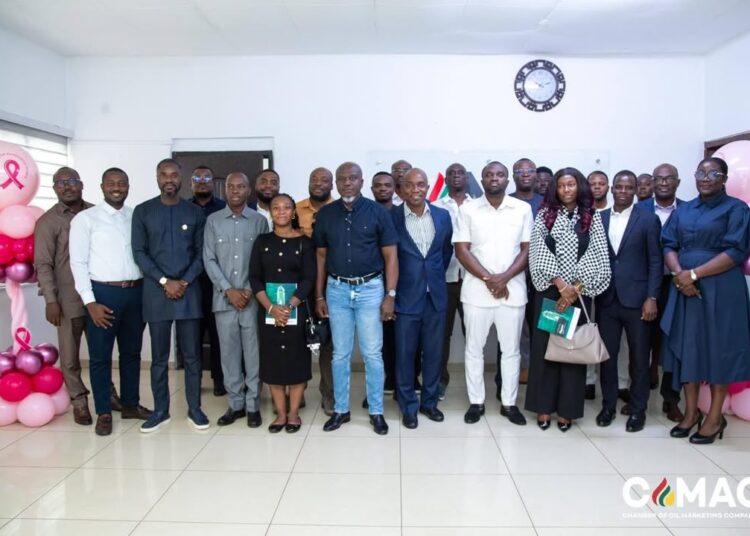
The Chamber of Oil Marketing Companies (COMAC) and the Chamber of Bulk Oil Distributors (CBOD) are seeking to strengthen coordination across Ghana’s downstream petroleum industry, with both institutions agreeing that greater consultation could improve the sector’s response to emerging policy and regulatory issues.
The latest engagement between the two industry bodies builds on earlier discussions and places greater emphasis on ensuring that positions taken by either chamber are informed by a clear understanding of the other’s perspective.
For an industry spanning bulk petroleum imports and distribution through to retail fuel marketing, differences in the positions of key industry associations can have wider implications.
The two chambers’ decision to establish a more regular channel for engagement therefore signals an attempt to improve coordination before major sector positions are advanced.
Industry Bodies Seek Greater Alignment
At the centre of the discussions was the need for transparency and sustained communication between COMAC and CBOD.
The chambers recognised that, although their members occupy different parts of the downstream petroleum value chain, their interests are closely connected.
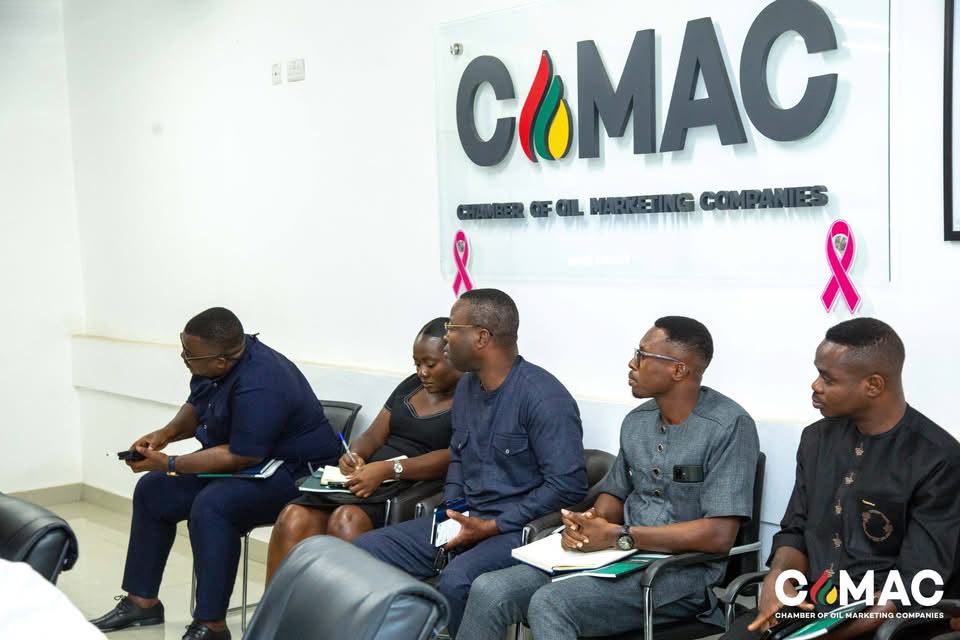
Decisions affecting petroleum supply, pricing, regulation and market operations can therefore have consequences across multiple segments of the industry.
The institutions agreed that each should be adequately informed about the other’s position on significant matters affecting the downstream sector.
This could become particularly important when industry associations engage government and regulators on policy proposals. A position developed without sufficient consultation across the value chain can create unintended consequences for businesses operating elsewhere in the market.
The latest engagement consequently shifts the focus from responding to disagreements after they emerge towards establishing consultation before major positions are adopted.
“The engagement reaffirmed the importance of transparency and regular dialogue between both institutions.”
That approach could also strengthen the credibility of industry advocacy by allowing policymakers to receive positions that reflect a broader understanding of downstream commercial realities.
Consultation To Precede Major Industry Positions
A key outcome of the discussions was an agreement that COMAC and CBOD should consult each other before taking positions on major industry matters, particularly issues with implications beyond their respective memberships.
The importance of this arrangement lies in the interconnected nature of Ghana’s downstream petroleum market.

Changes affecting one part of the supply chain can influence costs, availability, competition and ultimately the prices faced by consumers. Bulk distributors, oil marketing companies and regulators therefore operate within an ecosystem where policy decisions rarely remain confined to one category of market participant.
Regular consultation could provide an avenue for the chambers to identify areas of agreement while also making differences between their positions clearer before those differences reach government or the public.
For the sector, that distinction matters.
Industry associations have an important role in policy discussions, but their effectiveness depends partly on the quality and consistency of the evidence and positions they present.
As the chambers agreed, shared engagement can help them discuss “critical issues affecting the sector, explore ways of addressing them, and agree on appropriate actions and next steps.”
The objective, therefore, is not necessarily to eliminate differences between COMAC and CBOD, but to ensure that those differences are understood and managed through structured dialogue.
Regular Engagements To Sustain Collaboration
To prevent the latest engagement from remaining a one-off initiative, COMAC and CBOD agreed to establish recurring engagements on downstream developments.
The two institutions are considering quarterly or half-yearly meetings to review emerging issues, exchange perspectives and identify areas where joint action may be appropriate.

Such a mechanism could give the industry greater capacity to respond to changes in the regulatory and commercial environment.
It would also allow concerns to be raised earlier, before they develop into broader disputes involving regulators, government or other stakeholders.
“The Chambers agreed on the need to consult and engage each other before taking positions on major industry issues.”
The proposed frequency of the meetings is significant because the downstream petroleum sector can be affected rapidly by changes in international markets, domestic policy, taxation, regulation and supply conditions.
A regular forum would allow both chambers to assess those developments collectively rather than relying primarily on engagements triggered by individual controversies.
Research And Compliance Put On Joint Agenda
Beyond dialogue, the chambers identified research, policy engagement and regulatory compliance as areas where closer cooperation could produce practical benefits.
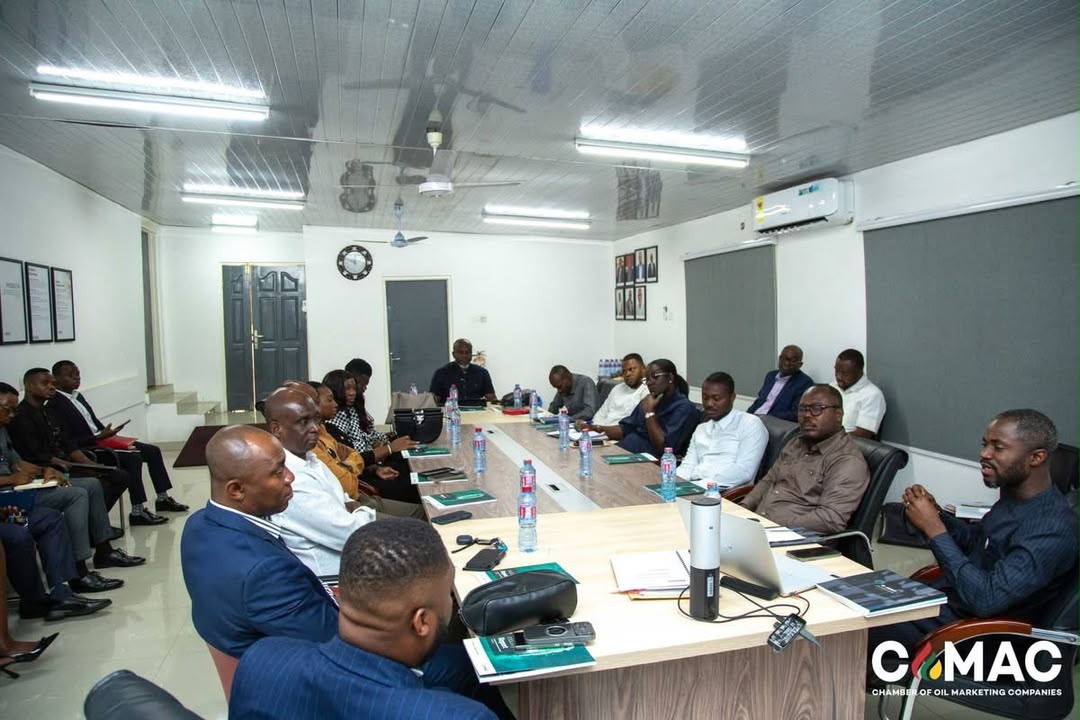
Research could provide a common evidence base for discussions with government and regulators, while coordinated policy engagement could help ensure that industry concerns are presented with greater clarity.
Regulatory compliance is equally important because the downstream petroleum industry operates within an extensive framework governing issues such as product standards, licensing, safety and market operations.
Greater collaboration between industry associations on compliance could help members better understand regulatory expectations while reducing the risk that policy discussions focus solely on the cost of regulation without adequately considering its intended market and consumer protections.
The agreement also creates room for the chambers to identify issues where joint industry action may be more effective than separate advocacy.
Coordination Could Strengthen Downstream Stability
The broader significance of the COMAC-CBOD engagement is that it recognises the downstream petroleum industry as an interconnected value chain rather than a collection of isolated businesses.
Oil marketing companies depend on reliable bulk supply, while bulk distributors operate within a market ultimately shaped by demand from downstream marketers and consumers. Both, in turn, operate under regulatory and policy conditions established by the state.
Greater institutional coordination can therefore help reduce information gaps between different parts of the sector.
For consumers, the potential benefit is indirect but important. A more coordinated industry dialogue can contribute to better-informed policy discussions around petroleum supply, market regulation and commercial conditions.
For government and regulators, regular engagement between the two chambers could also provide a clearer picture of how proposed measures may affect different segments of the market.
The latest meeting consequently represents more than another industry engagement. It signals an effort by two influential downstream institutions to establish a more predictable mechanism for consultation.
If sustained, the arrangement could help the chambers move from reacting individually to sector developments towards jointly identifying problems, testing policy options and developing practical responses.
For Ghana’s downstream petroleum industry, where decisions made at one point in the value chain can quickly affect another, that level of coordination could prove increasingly important to maintaining a stable, transparent and responsive market.
READ ALSO: GCB Targets MSMEs With GH¢1 Million Unsecured Loans