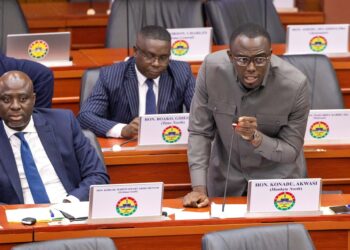
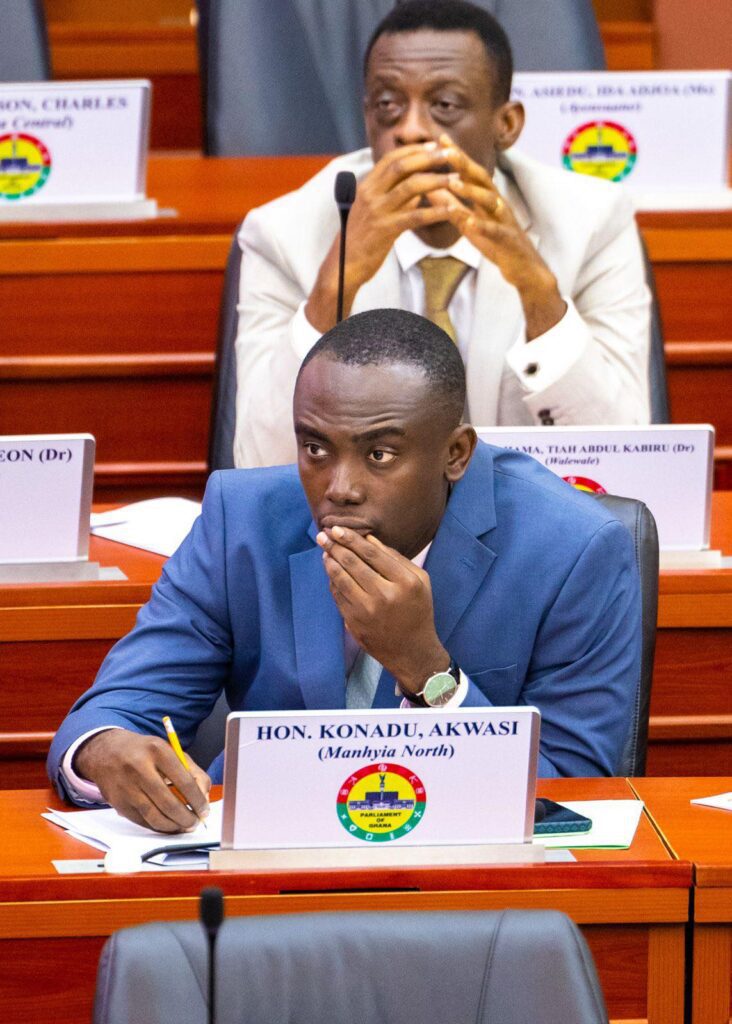
Hon. Akwasi Konadu, Member of Parliament for Manhyia North, has raised severe concerns regarding the controversial termination of Nawara Mining Company Limited’s lease at Nsuapemso in the Fanteakwa South District of the Eastern Region.
The lawmaker called for an immediate, transparent investigation into state regulatory decisions, security interventions, and high-profile political claims surrounding the concession.
“What began as a dispute over a mining concession has escalated into competing claims over mining rights, security operations, arrests, allegations of seized gold and equipment, and reports of deaths linked to the wider dispute. This is no longer merely a disagreement between mining companies or individuals. It is a test of Ghana’s mining regulatory framework and our ability to protect legitimate business interests against arbitrary action, political cronyism or wherever the truth ultimately lies.”
Hon. Akwasi Konadu
The escalating dispute has transformed from a legal disagreement over mineral rights into a major national crisis involving joint security operations, alleged destruction of equipment, arrests, and fatal shooting incidents.
Central to the escalating tension are competing claims between Nawara Mining Company Limited which asserts that it possesses a valid mining lease originally granted in 2011, renewed in 2020, and active through 2029 and CMS & A&A PRO Mining Company, which reportedly assumed control of the concession following the disputed regulatory termination.
Escalating Violence and State Security Interventions
The situation at Nsuapemso reached a boiling point during a joint security operation on October 1, 2026, involving personnel from National Security, the Ghana Armed Forces, and the Ghana Police Service.
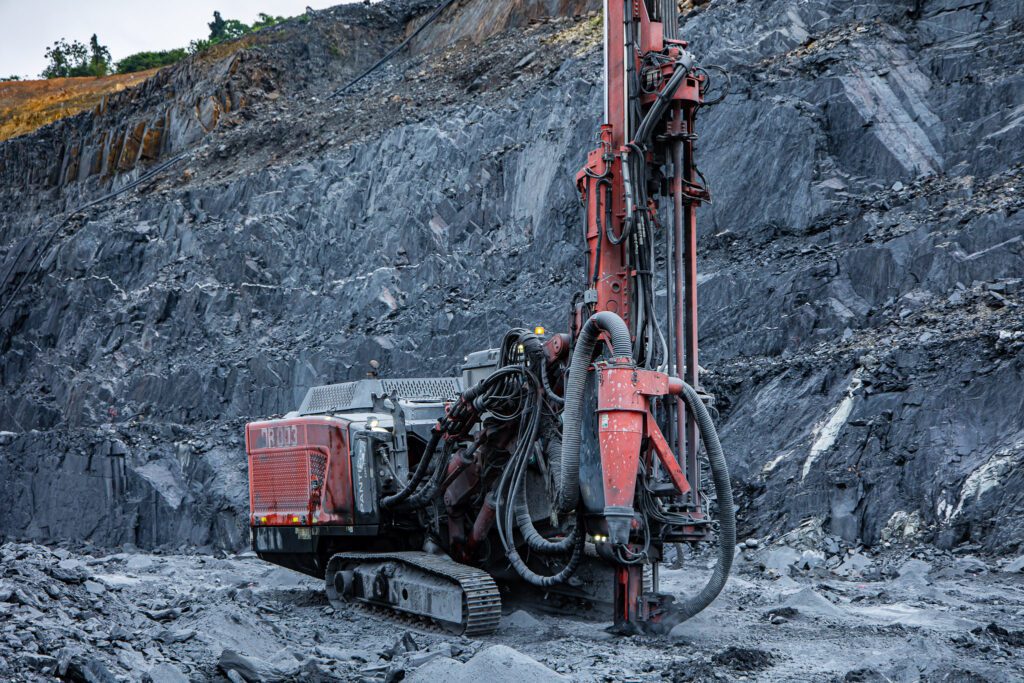
Reports indicate that the operation resulted in injuries to two individuals, followed by subsequent fatal shooting incidents linked to the wider dispute over the mining site.
Nawara Mining maintains that a High Court injunction granted on February 19, 2026, explicitly allowed its operations to continue unimpeded while substantive legal proceedings were being determined.
The MP emphasized that the state must immediately clarify who authorized the armed operation and what legal framework governed the deployment.
While acknowledging that accused persons are entitled to the presumption of innocence, he stressed that civilian safety and constitutional protections must remain paramount during regulatory enforcement.
The state must account for whether adequate safeguards were established prior to sending armed forces into a commercial dispute.
High-Profile Political Allegations Demand Independent Inquiry
Adding further gravity to the saga are direct allegations made by representatives of Nawara Mining against Alfred Mahama, the elder brother of President John Dramani Mahama.
Company officials claim that Alfred Mahama was the key figure behind the forceful takeover of the Nsuapemso concession, asserting that a director of the company personally contacted him via telephone, during which he allegedly confirmed his involvement.

Hon. Akwasi Konadu noted that while these claims are grave, they must be approached with caution and subjected to rigorous, independent verification. He stated that Alfred Mahama must be granted a fair opportunity to respond, but insisted that the allegations cannot be swept aside.
If established as true, the involvement of a president’s family member in displacing a private firm would signal a dangerous precedent of political cronyism and the misuse of public power for private commercial gain.
Regulatory Accountability and Governance in the Extractive Sector
The Minerals Commission and the Ministry of Lands and Natural Resources face mounting pressure to produce clear documentary evidence justifying the revocation of Nawara’s lease and the subsequent authorizations issued to new managers.
A mining lease is a legal property right protected by Ghanaian law, not a political privilege to be reallocated arbitrarily at the whim of influential figures.
This controversy highlights the urgent need to rebuild trust in Ghana’s natural resource governance.
At a time when the nation is battling illegal mining, water pollution, and institutional distrust, regulatory agencies must operate with absolute transparency, strict adherence to court orders, and uncompromising fairness.
Establishing an independent probe is essential to protecting private capital, preserving the rule of law, and ensuring that no individual remains above the law regardless of political or family connections.
READ ALSO: Analyst Calls For Expert Consultation On Ghana’s Proposed BRICS Partnership