As the world marks World Food Day, the World Meteorological Organization (WMO) has warned that an intensifying El Niño is disrupting rainfall patterns globally, raising concerns about its effects on agriculture, fisheries and food security.
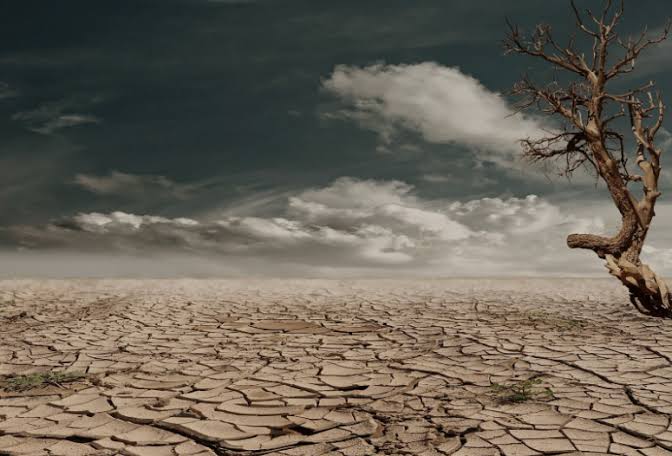
The climate phenomenon, characterised by the warming of sea-surface temperatures in the central and eastern tropical Pacific, is contributing to contrasting weather conditions across regions, ranging from prolonged droughts and water shortages to excessive rainfall, flooding and landslides.
According to Wilfran Moufouma Okia, Chief of WMO’s Climate Prediction Section, “El Niño impacts vary from one region to another and often even within the same region, and also from season to season. Existing environmental conditions, seasonal rainfall cycles and other climate drivers also shape the outcome.”
The Greater Horn of Africa illustrates how El Niño can create contrasting agricultural risks within the same region, with some areas experiencing rainfall deficits while others face the prospect of excessive precipitation.
A seasonal outlook issued by the IGAD Climate Prediction and Applications Centre (ICPAC) in May forecast below-normal rainfall across northern parts of the region during the June–September 2026 season, particularly in parts of Ethiopia, South Sudan and Sudan.
According to the latest ICPAC data cited by WMO, rainfall deficits persisted across much of the affected area, contributing to soil moisture shortages and vegetation stress that could undermine crops and pasture.
The period is particularly important for agricultural production, accounting for approximately 60% of annual rainfall in some areas. With parts of the affected countries already facing severe food insecurity, reduced precipitation could further increase humanitarian needs.
The outlook differs across equatorial and southern parts of the Greater Horn of Africa, where ICPAC’s August forecast projected wetter-than-normal conditions during the October–December rainfall season.
The season provides up to 70% of annual rainfall in parts of Ethiopia, Kenya and Somalia, and up to 40% in parts of Rwanda, Burundi, Tanzania and Uganda.
According to WMO Scientific Officer Sebastian Grey, “at different times of the year, the same climate phenomenon therefore increases drought risk in one part of the region while increasing flood risk in another, sometimes with similar and compounding impacts on sectors like agriculture.”
Similar concerns have emerged in South Asia, where the June–September monsoon provides essential rainfall for staple crops, including rice. Forecasts issued through the South Asian Climate Outlook Forum correctly anticipated an increased likelihood of below-normal monsoon rainfall, with observations showing significant deficits in several areas.
Parts of India have subsequently experienced rainfall shortages, although the effects on yields of key crops remain uncertain.
The October–December rainfall season is particularly important for southern India, Sri Lanka and the Maldives, where agricultural activities depend heavily on seasonal precipitation. WMO reported that normal to above-normal rainfall was likely across northwestern and parts of eastern and southern South Asia, including the island nations, while below-normal rainfall was expected in much of central and southern peninsular South Asia and some eastern areas.
Southeast Asia is also facing significant drought concerns, while South America has experienced sharply contrasting conditions. Northern Brazil typically receives below-normal rainfall during El Niño events, whereas southern Brazil often experiences above-normal precipitation between September and January.
Chile, meanwhile, has recorded exceptionally heavy rainfall, causing flooding and prompting the normally arid Atacama Desert to bloom.
Rising Temperatures Threaten Fisheries and Agricultural Livelihoods
The World Meteorological Organization has also raised concerns about the effects of rising temperatures associated with El Niño, warning that increasing ocean heat could place additional pressure on fisheries, marine ecosystems and the livelihoods of fishing communities.
Sea-surface temperatures in the central and eastern tropical Pacific are forecast to reach record levels during the October–December 2026 period, raising concerns about marine heatwaves and severe coral bleaching.
Weather conditions have also differed across the Atlantic and Pacific. The Atlantic hurricane season has been exceptionally quiet, limiting some of the immediate risks from destructive winds and flooding.
However, WMO warned that a strong El Niño could contribute to expanding drought conditions during the transition out of the Caribbean’s wet and heat seasons, affecting agriculture and water availability.
The Pacific has experienced high tropical cyclone activity, fuelled by warm ocean waters.
El Niño is also amplifying temperatures against the backdrop of long-term global warming. WMO noted that the past 11 years have been the warmest on record, meaning the additional heat associated with the phenomenon is intensifying an already elevated temperature baseline.
A joint report by the Food and Agriculture Organization of the United Nations (FAO) and WMO on extreme heat and agriculture found that rising temperatures and more frequent heatwaves are reducing crop yields, limiting safe working hours for agricultural labourers, placing livestock under heat stress and contributing to marine heatwaves that affect fisheries and marine ecosystems.
Even warmer-than-normal winters can have significant consequences for agricultural production, particularly where crops are sensitive to temperature changes during critical stages of development.
“Even warmer winters can have important agricultural consequences. For crops such as wheat, unusually high winter and spring temperatures can increase water demand, accelerate crop development and reduce grain yields if heat occurs during sensitive growth stages.”
Sebastian Grey
WMO Strengthens Climate Information to Protect Food Security
In response to the growing risks, WMO has intensified efforts to provide climate information and forecasting services to agriculture and other climate-sensitive sectors, helping governments, farmers and humanitarian organisations prepare for changing weather conditions.
The organisation’s initiatives include quarterly El Niño Updates, monthly Global Seasonal Climate Outlooks and tailored forecasts provided through its Coordination Mechanism to support humanitarian activities.
Regional Climate Outlook Forums also produce climate information specific to individual regions, while national meteorological and hydrological services provide country-level forecasts and technical expertise.
WMO noted that these services were intended to translate climate science into practical information that could support decisions on planting schedules, water management, disaster preparedness and emergency food assistance.
READ ALSO: IMF Backs Ghana’s Economic Buffers Against Global Commodity Turmoil