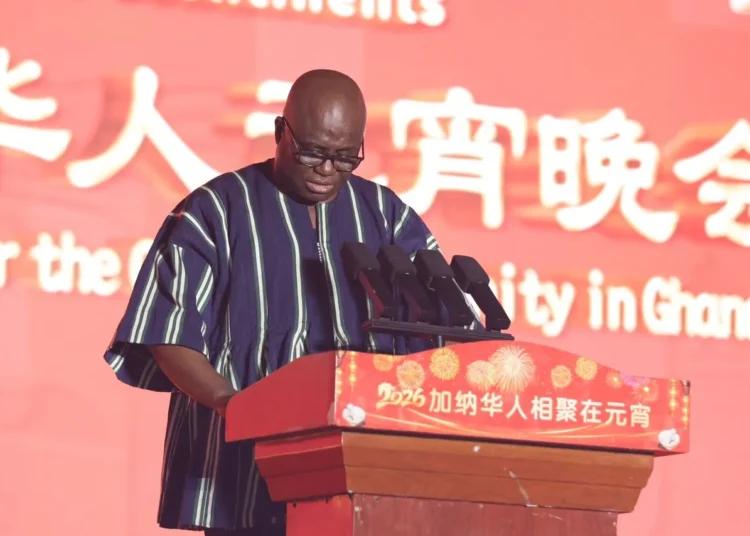
The Chinese Lunar New Year Gala 2026 in Accra served as more than just a cultural celebration; it became a high-stakes investment theater for Ghana’s agricultural future.
Addressing a room of influential Chinese investors, industrialists, and diplomats, the Minister for Food and Agriculture, Hon. Eric Opoku, delivered a clear mandate noting that Ghana is moving away from rain-fed subsistence and toward an industrial, all-season agricultural powerhouse.
“Under the “Economic Reset” agenda of President John Dramani Mahama, the 2026 Budget has positioned agriculture as the primary engine for industrialization, export growth, foreign exchange stability and mass job creation.
“The message to the Chinese business community is surgical – Ghana is no longer looking for aid; it is looking for factory floors, irrigation technology, and large-scale joint ventures that can transform the West African landscape”
Hon. Eric Opoku, Minister for Food and Agriculture
To demonstrate that the government is “putting its money where its mouth is,” Hon. Opoku revealed a massive logistical rollout for the current farming season that dwarfs previous efforts.
The state is currently distributing over “38,000 metric tonnes of high-yield rice, maize, and soybean seeds, backed by 272,000 metric tonnes of fertilizer.” According to the Minister, this massive input injection is designed to prime the domestic market for the industrial processing capacity the government is courting.
However, Hon. Opoku was quick to point out that seeds and fertilizer are only the foundational layer.
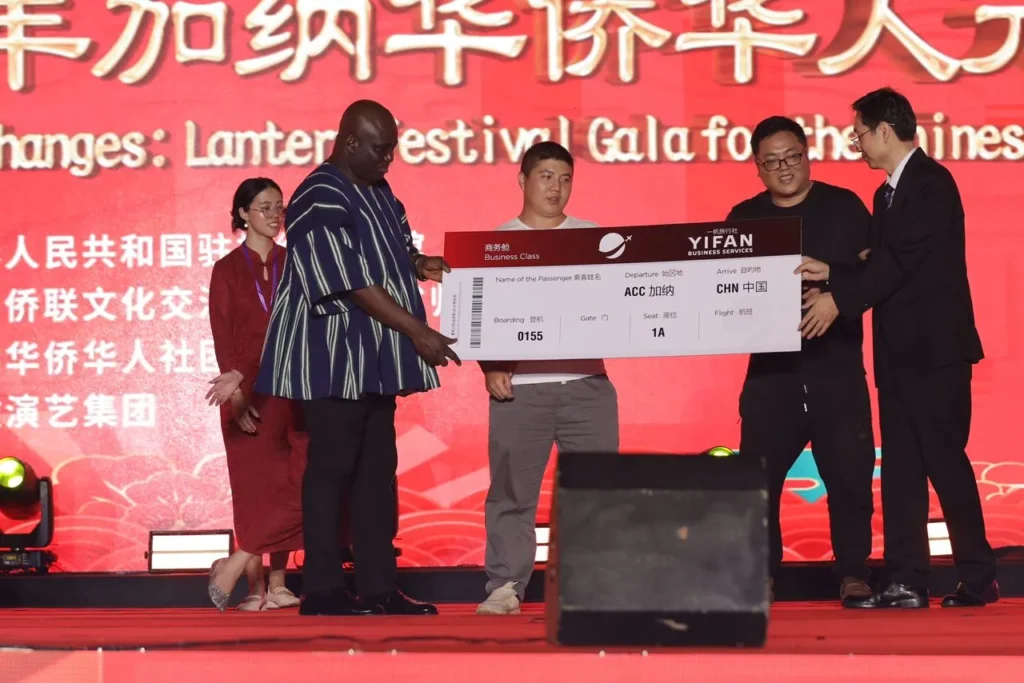
“We are expanding irrigation and constructing dams in northern Ghana to move away from rain-fed farming,” he added, explaining that the real prize for global investors lies in the infrastructure required to move Ghana away from its historic, and often crippling, dependence on erratic weather patterns.
By developing thousands of hectares of irrigated land and constructing strategic dams across Northern Ghana, the administration is creating a year-round production cycle. This transition requires the kind of sophisticated mechanization and heavy machinery assembly expertise that China leads globally.
Oil Palm Strategy
Perhaps the most ambitious component of the 2026 – 2032 roadmap is the Integrated Oil Palm Development Programme.
According to Hon. Opoku, this is not merely a farming initiative but a full-scale industrial play. With a target of 100,000 hectares of new plantations, the government aims to slash palm oil imports by US$200 million annually while generating a quarter of a million jobs across the value chain.
For the Chinese investor, the proposition is uniquely structured and de-risked.
Recognizing that land acquisition has historically been a bottleneck, the government is offering structured land banks – legally cleared, large-scale tracts of land ready for immediate development.
The call is for partners to invest not just in the “dirt,” but in the refining, processing, and export-oriented refineries that can feed the 400-million-strong ECOWAS market – as the program is designed to turn Ghana from a net importer into a regional powerhouse for vegetable oils and industrial fats.
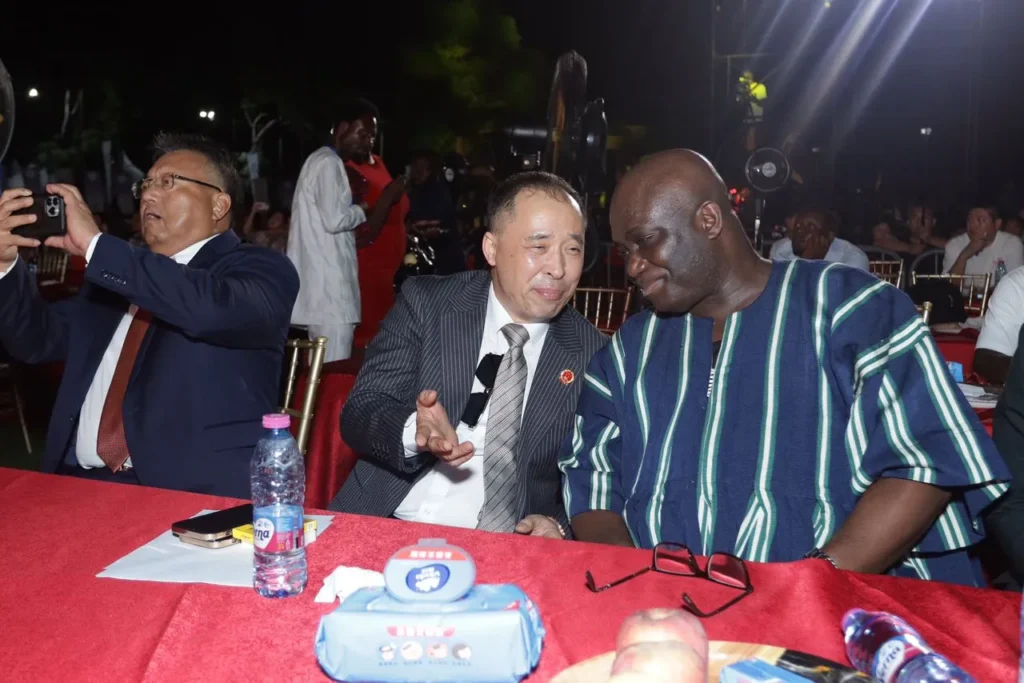
The Agriculture Minister’s rhetoric signaled a definitive departure from the “buy-and-sell” relationship that has often characterized Ghana-China trade in the past.
The new focus is on Value Addition, with Ghana inviting Chinese companies to move their assembly lines for tractors, harvesters, and specialized agro-processing equipment into Ghanaian Industrial Zones.
By manufacturing these tools locally, investors can bypass heavy import duties while leveraging Ghana as a regional assembly hub for the African Continental Free Trade Area (AfCFTA).
Hon. Opoku explained that this “near-shoring” strategy ensures that equipment is tailored to the specific soil and climatic conditions of West Africa, while providing the technical support and spare parts necessary to sustain industrial-scale farming.
“We are building joint ventures that will move us from trade to production,” the Minister reiterated. By positioning agriculture at the center of the economic reset, the Mahama administration is betting that industrial farming will solve the dual problems of stubborn inflation and youth unemployment.
The strategy relies on the fact that Ghana sits at the heart of a massive regional market and investors setting up in Ghana gain a stable home base with investor-friendly policies and a direct pipeline to the broader African market.
The gala concluded with a sense of urgency. With the 24-Hour Economy policy providing the electricity and labor frameworks for round-the-clock factory operations, the window for early-mover advantage in Ghana’s “Green Industrialization,” is now wide open.
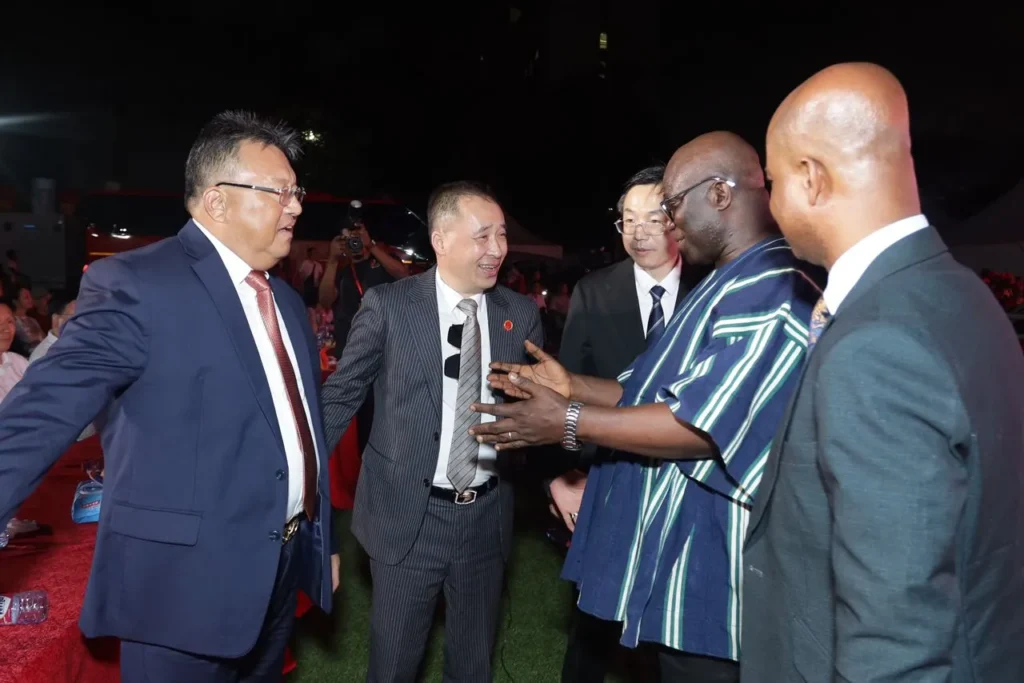
The Minister’s final plea was for a partnership based on mutual economic interest, where Chinese technology meets Ghanaian land and labor to feed a continent.