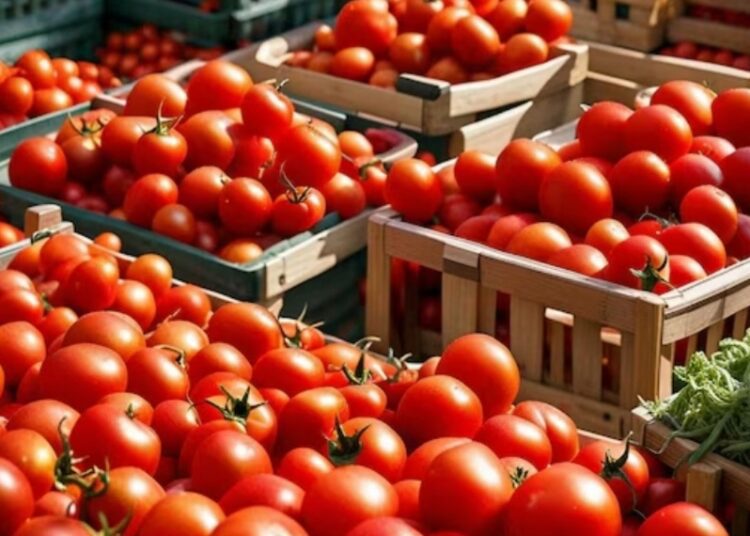
The Government of Ghana has welcomed Burkina Faso’s decision to lift the suspension on the export of fresh tomatoes, describing it as a timely intervention that will help stabilise supply and ease pressure on local markets.
In a press release issued by the Ministry of Trade, Agribusiness and Industry, government noted that the decision follows improvements in tomato availability for local processing industries in Burkina Faso, as well as commitments by stakeholders to maintain adequate domestic supply.
The earlier ban, which took effect in March 2026, disrupted cross-border trade and raised fears of a nationwide shortage, with traders warning that Ghana could run out of fresh tomatoes within weeks if the restriction persisted.
“Government welcomes this development, which is expected to ease the flow of fresh tomatoes into Ghana and contribute to stabilising supply on the local market,” the statement said.
Diplomacy Pays Off at WTO MeetingG
Government further highlighted that the breakthrough reflects the success of ongoing bilateral engagements between Ghana and Burkina Faso.
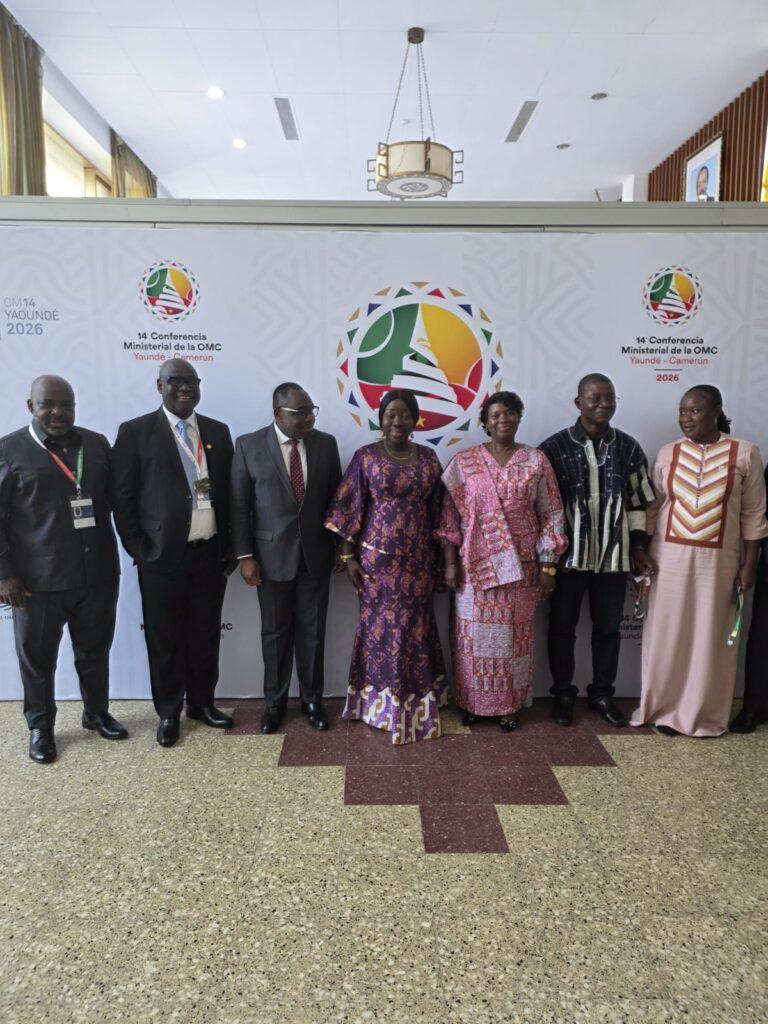
According to the Ministry, one of the five key bilateral meetings held by Ghana’s Minister for Trade, Agribusiness and Industry, Hon. Elizabeth Ofosu-Adjare, and her Burkinabè counterparts on the margins of the WTO Ministerial Conference (MC14) in Yaoundé, Cameroon, played a crucial role in securing the outcome.

“This positive outcome also reflects the effectiveness of ongoing bilateral engagements between Ghana and Burkina Faso,” the statement noted.
Prior to the resolution, Ghana had announced plans to engage Burkina Faso diplomatically to address the restriction and protect supply chains, particularly given the country’s heavy reliance on imports for tomato consumption.
Ghana’s heavy reliance on imported tomatoes makes developments like this particularly significant. Recent industry data shows that the country spends between GH¢650 million and GH¢760 million annually on tomato imports, with a substantial portion sourced from neighbouring Burkina Faso.
This dependency has long exposed the local market to external shocks, including supply disruptions, security concerns, and price volatility. In some instances, disruptions in Burkina Faso have led to sharp price increases in major markets such as Accra, highlighting the fragility of Ghana’s supply chain.
Strengthening Local Production and Value Chain
While welcoming the resumption of exports, government emphasised that long-term focus remains on building a resilient domestic tomato industry. Analysts have consistently argued that while cross-border trade remains important, Ghana must accelerate efforts to close the production gap between domestic output and national demand.
Strengthening irrigation systems, improving storage infrastructure, and expanding processing capacity are seen as critical steps toward reducing import dependence and ensuring long-term food security.
“Government wishes to assure the public that it remains committed to implementing the necessary measures to safeguard local industries and strengthen the domestic tomato value chain.”
Ministry of Trade, Agribusiness and Industry
To achieve this, programmes such as Feed the Industry and Feed Ghana are being intensified to boost local production, improve yields, and ensure a stable and sustainable supply.The Ministry also outlined targeted interventions across the value chain, including irrigation projects to support year-round farming and engagements with processors to promote backward integration.Additionally, suitable lands are being made available for large-scale tomato cultivation to support both industrial processing and the domestic market.
Call for Stakeholder Collaboration
Government has called on traders, farmers, and industry players to work closely with authorities to ensure a stable and efficient market system.
“Tomato traders and all relevant partners are being encouraged to partner Government as it continues to take appropriate steps to protect both consumers and industry players,” the statement added.
The reopening of exports is expected to bring immediate relief to markets, but analysts maintain that Ghana’s long-term food security will depend on reducing reliance on imports and strengthening internal agricultural systems.
READ ALSO: Ghana, Burkina Faso Engage On Tomato Crisis at WTO MC14