
Spain’s 2026 FIFA World Cup triumph will already occupy an important place in the country’s football history, but head coach Luis de la Fuente believes defeating Lionel Messi and a star-studded Argentina side could make the achievement even more valuable with time.
La Roja defeated Argentina 1-0 in the final after an extra time strike from Ferran Torres at New York New Jersey Stadium on July 19 to win their second World Cup, 16 years after their historic success in South Africa.
For De la Fuente, however, the significance of the triumph extends beyond the trophy. Spain did not simply defeat the reigning world champions. They did it without abandoning the footballing principles that had defined the team throughout the tournament.
That distinction is important because Argentina presented Spain with a different kind of challenge. They had experience, individual quality and Messi, one of the greatest players in football history, potentially capable of deciding the biggest game on his own.
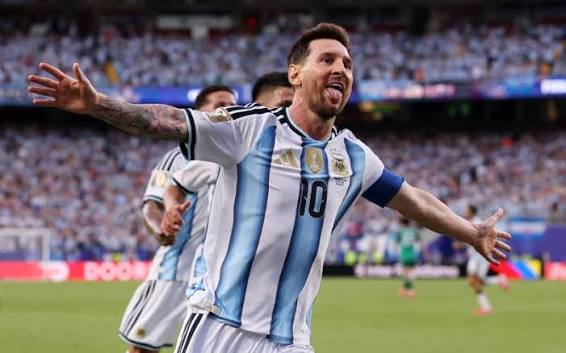
Yet Spain refused to make the final about stopping Messi at the expense of their own identity. “We were very clear about the role we had to play in that final. We couldn’t move away from our own idea,” De la Fuente told FIFA.
That decision provides perhaps the clearest explanation for Spain’s success. Rather than adapting excessively to the opponent, De la Fuente trusted the system that had taken Spain through a demanding tournament.
Messi Adds Historical Weight To Spain’s Victory
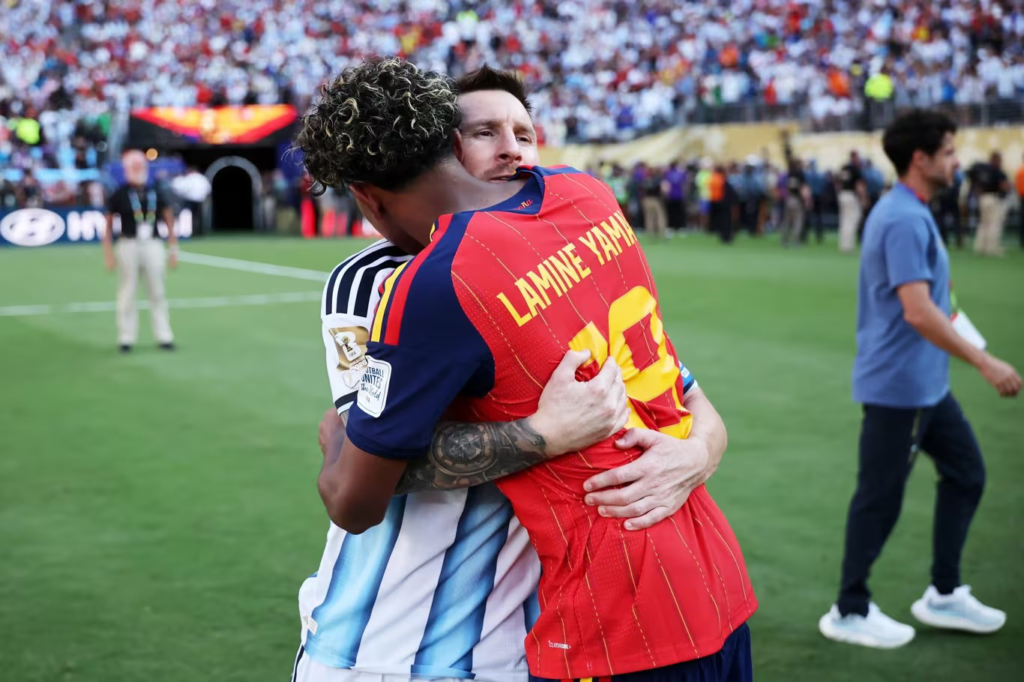
Messi’s presence in the final gives Spain’s achievement an additional layer that may become more significant as his international career comes to an end.
The Argentine has since announced his retirement from international football, meaning the 2026 final could eventually be viewed as one of the final chapters of his remarkable World Cup story.
De la Fuente believes that will enhance, rather than diminish, Spain’s accomplishment. “I’m an admirer of Messi, of course. He’ll leave a footballing legacy that, like our title, will only grow in value with time,” he said.
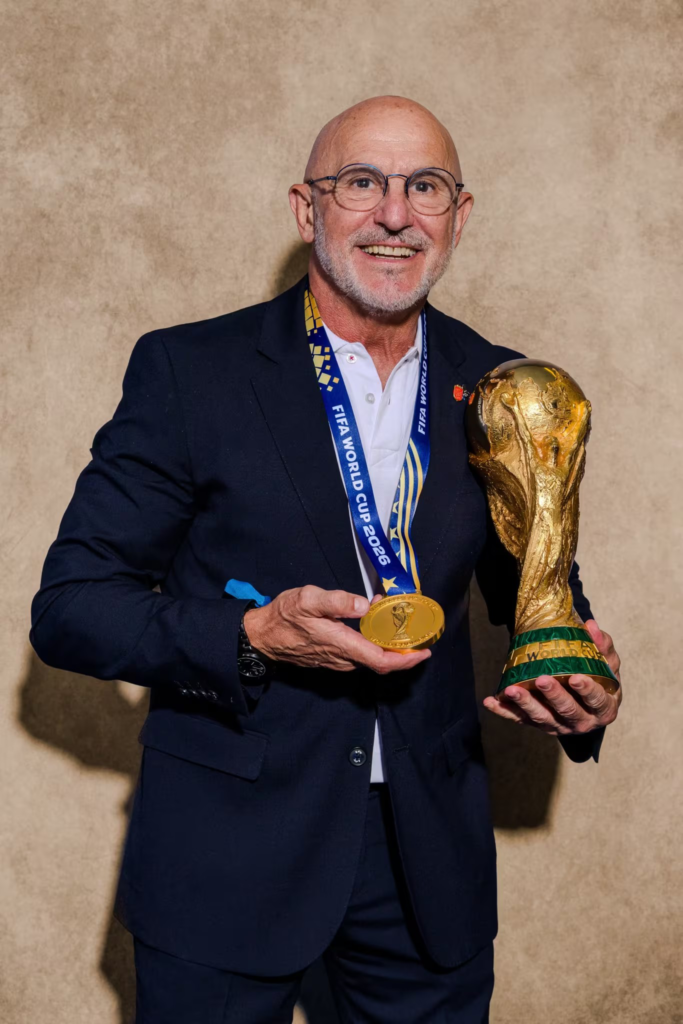
That assessment is more than diplomatic praise. Football history often evaluates major victories partly through the quality and reputation of the opponent. Beating a reigning world champion is significant.
But beating that champion in a World Cup final with Messi involved makes the achievement even more compelling. “Having the chance to play a World Cup final against Messi and that constellation of Argentina stars obviously adds enormous value to what we achieved,” De la Fuente added.
Spain’s route to the final reinforces the argument. They overcame Portugal in the Round of 16 and France in the semi-final before facing Argentina, meaning their title was built through victories over teams with genuine championship credentials.
Spain Won By Refusing To Become Argentina
The most revealing aspect of De la Fuente’s comments is his belief that Spain would have weakened itself by trying to play Argentina’s game. “Anything that took us closer to Argentina’s style of football… would have taken us further away from our chances of winning,” he explained.
That philosophy explains why Spain could appear in control even when matches remained close.
Against Portugal and Belgium, Spain scored late, while the final against Argentina also required extra time. The scorelines suggested uncertainty, but De la Fuente argues that the underlying performances showed something different. “In our post-match analysis, and after every game, we felt the matches had been under control,” he said.
This is where Spain’s World Cup becomes analytically interesting. Their dominance was not necessarily reflected in early goals or comfortable scorelines. Instead, control came through their ability to impose the rhythm and structure of matches with the likes of Rodri, Pedro, Fabian Ruiz and Dani Olmo in midfield.
De la Fuente repeatedly emphasised that Spain wanted opponents to feel they were facing the best team in the tournament. That psychological belief complemented their tactical identity.
The statistics of their defensive campaign further support the argument. Spain conceded only once before lifting the trophy, demonstrating that their possession and attacking philosophy was accompanied by defensive discipline.

The final also provided evidence of another principle: the team mattered more than individual reputation. Nico Williams, carefully managed because of fitness concerns, produced the assist, while Ferran Torres scored the decisive goal despite having not scored earlier in the tournament.
“All 26 players are important,” De la Fuente said, revealing the depth of his philosophy.
Ultimately, Messi’s presence does not make Spain’s World Cup triumph important by itself. It makes the context around the victory richer. Spain defeated one of the strongest teams in the world, led by one of football’s greatest ever players, while refusing to compromise their identity.
That may be the most significant achievement of De la Fuente’s reign. Spain did not become world champions by trying to match Argentina. They became champions by becoming the best version of themselves.
And if Messi’s legacy continues to grow, as De la Fuente expects, Spain’s victory over him in the 2026 World Cup final may grow in stature alongside it.
READ ALSO: Sophia Akuffo Urges ‘Non-Partisan Wisdom’ in Managing National Gold