Parliament’s Select Committee on Energy has called on the Ministry of Finance to release GH¢5.6 million to the Petroleum Commission to support the establishment and operation of a data centre for Ghana’s upstream petroleum sector.
The Committee said the investment would strengthen the Commission’s ability to manage critical petroleum data and improve the institutional infrastructure needed to support exploration, production and investment in the sector.
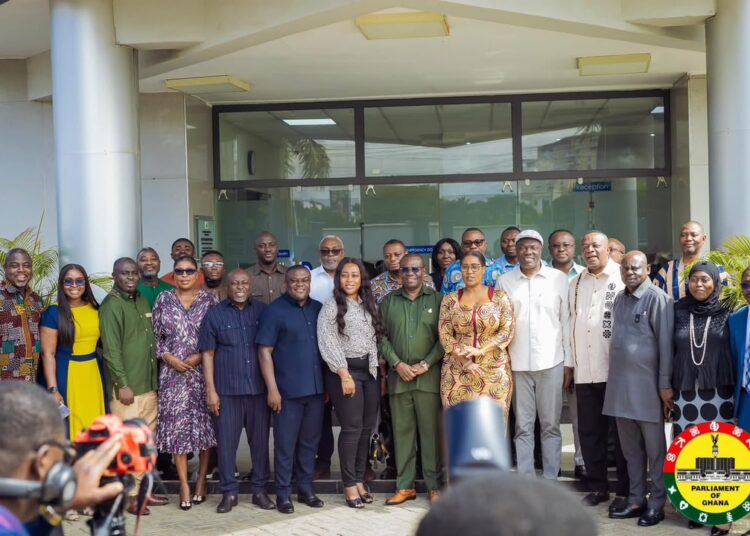
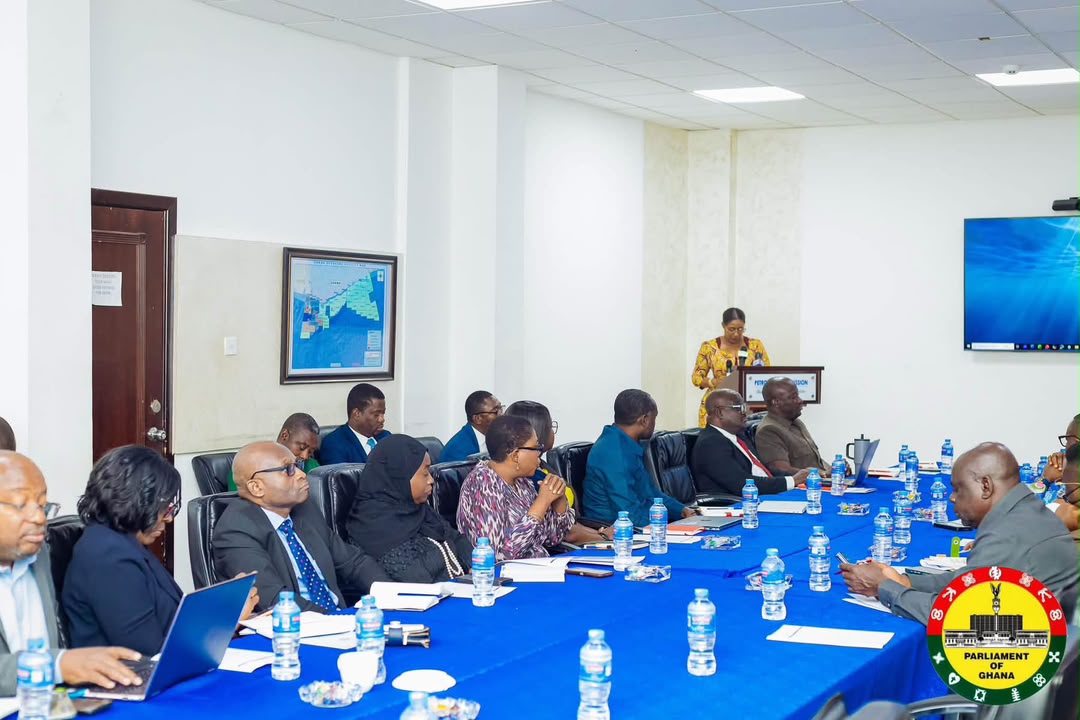
The appeal was made during a working visit to the Petroleum Commission as part of the Committee’s oversight activities.
Data Capacity Seen As Upstream Priority
The proposed funding is intended to enable the Petroleum Commission to establish what Parliament described as a world-class data centre.
Access to reliable and well-managed upstream petroleum data is important to exploration and investment decisions, particularly as Ghana seeks to attract fresh capital into a sector that has experienced declining investment and production in recent years.
The Committee’s Chairman, Emmanuel Kwasi Bedzrah, said continued investment in the institutional and technical systems supporting the petroleum sector would be necessary if Ghana is to reverse that decline.
He linked the proposed data centre to broader efforts to strengthen the country’s upstream petroleum industry and increase crude oil production.

“The release of the GH¢5.6 million will strengthen the Commission’s capacity to manage critical upstream petroleum data and improve its operations.”
The Committee’s Chairman, Emmanuel Kwasi Bedzrah
The investment also comes as Ghana seeks to position its petroleum sector as an attractive destination for international investors amid increasing competition for upstream capital.
Production Recovery Remains Focus
Mr Bedzrah said Ghana’s petroleum industry had faced a decline in both investment and hydrocarbon production, but recent interventions had begun to change the trajectory.
He pointed to Parliament’s approval of an extension of a petroleum agreement to 2030, which he said had helped attract additional funding and contributed to an increase in crude oil production.
According to the Committee, production has risen from about 80,000 barrels per day to approximately 120,000 barrels per day.
The increase provides a stronger production base, but the Committee’s focus on data infrastructure indicates that Parliament sees institutional capacity as part of the longer-term challenge.
Higher production will need to be supported by continued exploration, investment in existing fields and stronger technical and regulatory systems if Ghana is to sustain the gains.
Exploration Spending Faces Greater Scrutiny
The Committee also raised concerns about repeated budget allocations for petroleum exploration in the Voltaian Basin.
Mr Bedzrah stressed that public funds approved for exploration must translate into demonstrable progress, signalling closer parliamentary scrutiny of expenditure on the frontier basin.
He said the Committee would require clear evidence of progress before supporting further budget allocations for the programme.

The position places greater emphasis on accountability in Ghana’s efforts to expand petroleum exploration beyond the country’s established producing areas.
For the Voltaian Basin, where exploration has involved significant public investment, the question is increasingly whether successive expenditures are producing sufficient technical results to justify continued allocations.
The Committee’s position does not rule out continued exploration, but places a stronger requirement on the agencies involved to demonstrate what public expenditure is achieving.
Petroleum Commission Outlines Sector Reforms
During the engagement, Petroleum Commission Chief Executive Officer Emeafa Hardcastle briefed the Committee on the Commission’s mandate and operational procedures.
The Commission is responsible for regulating, managing and coordinating upstream petroleum activities in Ghana.
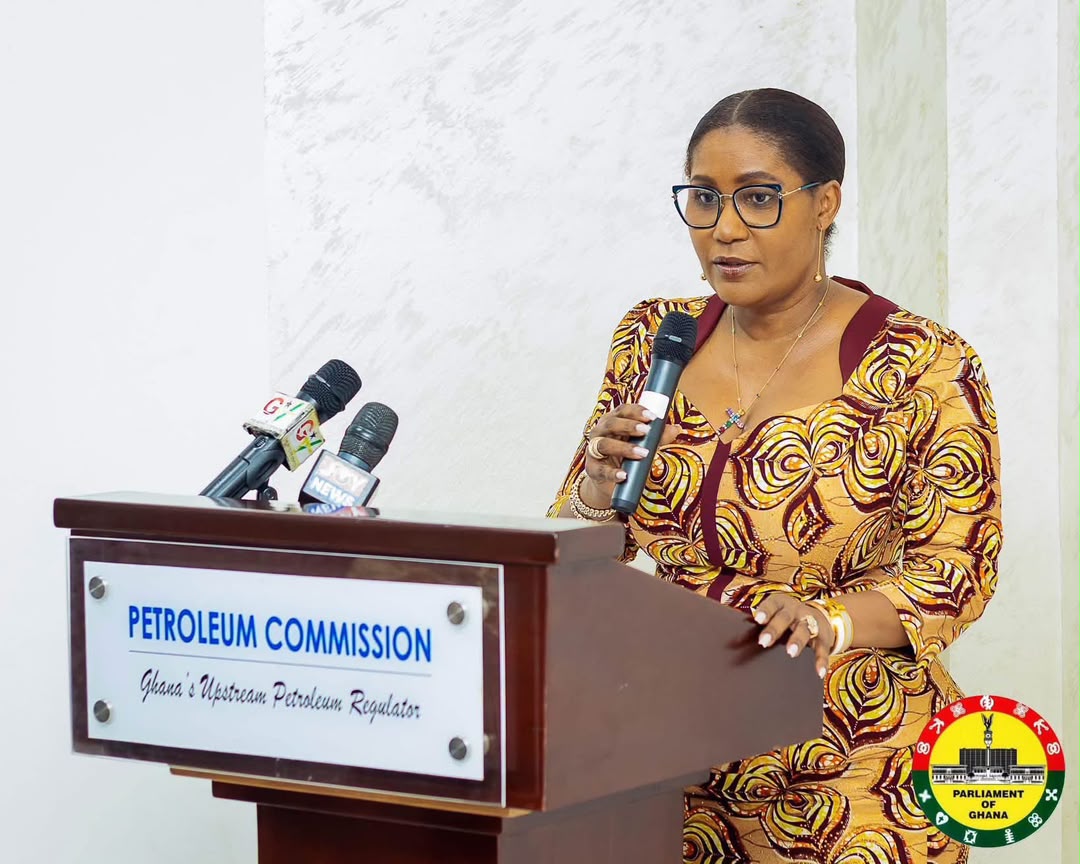
Ms Hardcastle said that since assuming office in 2025, government had implemented measures aimed at reversing the decline in crude oil production, sustaining output and improving Ghana’s position as an investment destination within Africa’s competitive petroleum market.
She also disclosed that government had secured fresh investment commitments of approximately US$35 billion to support the revitalisation of the petroleum sector.
The commitments, if converted into actual upstream investment, could provide an important boost to exploration, field development and production activities.
However, the ability to translate investment commitments into increased production will depend on project execution, regulatory certainty, infrastructure and the performance of Ghana’s mature producing assets.
Oversight Extends Across Downstream Sector
The Petroleum Commission visit forms part of a wider monitoring exercise by Parliament’s Energy Committee.
The Committee is expected to continue its oversight activities with engagements at the National Petroleum Authority (NPA) and the Ghana Oil Company Limited (GOIL).
The broader exercise provides Parliament with an opportunity to assess how institutions across Ghana’s petroleum value chain are operating and whether public resources are being used to support the country’s energy-security objectives.
For the upstream sector, the GH¢5.6 million data-centre request places institutional data management alongside production and investment as a component of Ghana’s petroleum strategy.
The Committee’s scrutiny of Voltaian Basin expenditure, meanwhile, signals that increased funding for the sector will increasingly have to be matched by measurable outcomes.
Together, the issues point to a wider challenge for Ghana’s petroleum industry: attracting capital and increasing production while ensuring that the institutions responsible for managing the sector have the technical capacity and accountability systems required to support long-term growth.
READ ALSO: Mobile Money Reaches GH¢3.8trn, Overtakes Traditional Banking In Transaction Value