Africa’s industrial transformation will depend on whether governments can combine macroeconomic stability with affordable energy, long-term financing and policies that encourage domestic value addition, Finance Minister Dr. Cassiel Ato Forson has said.
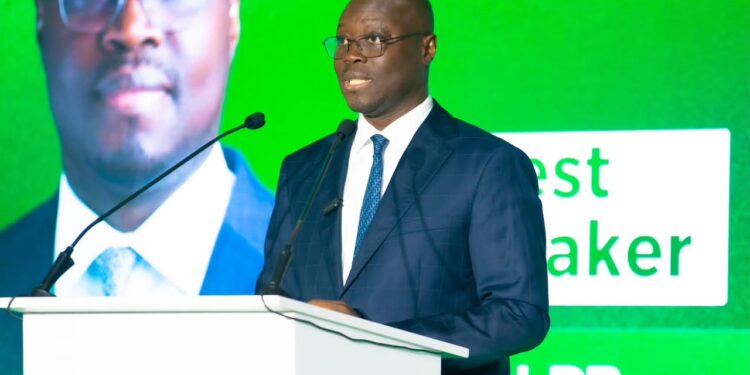
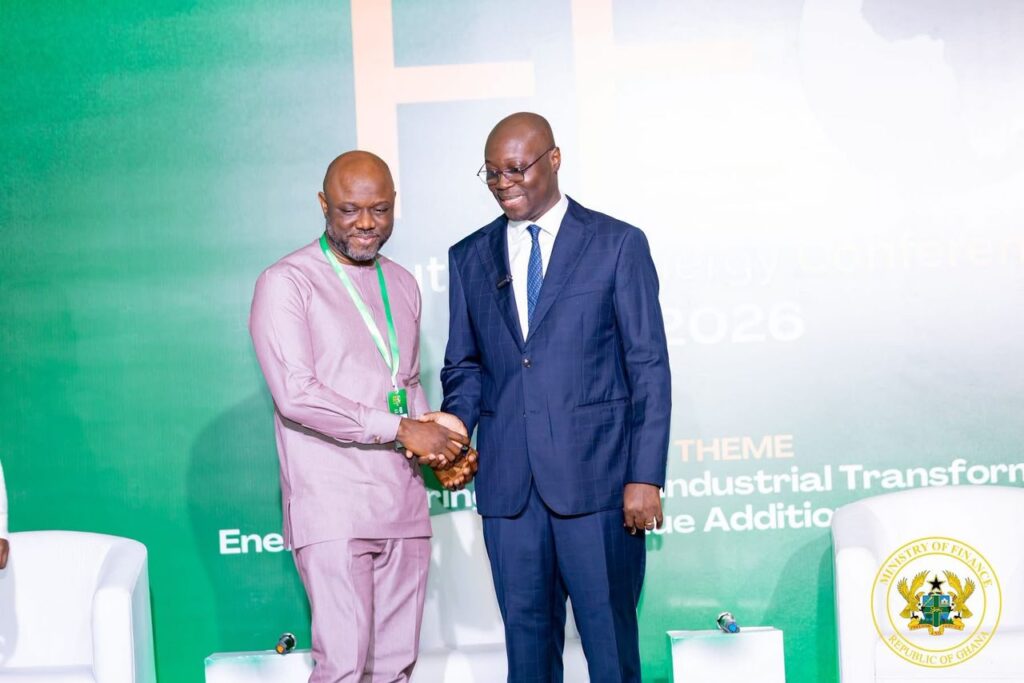
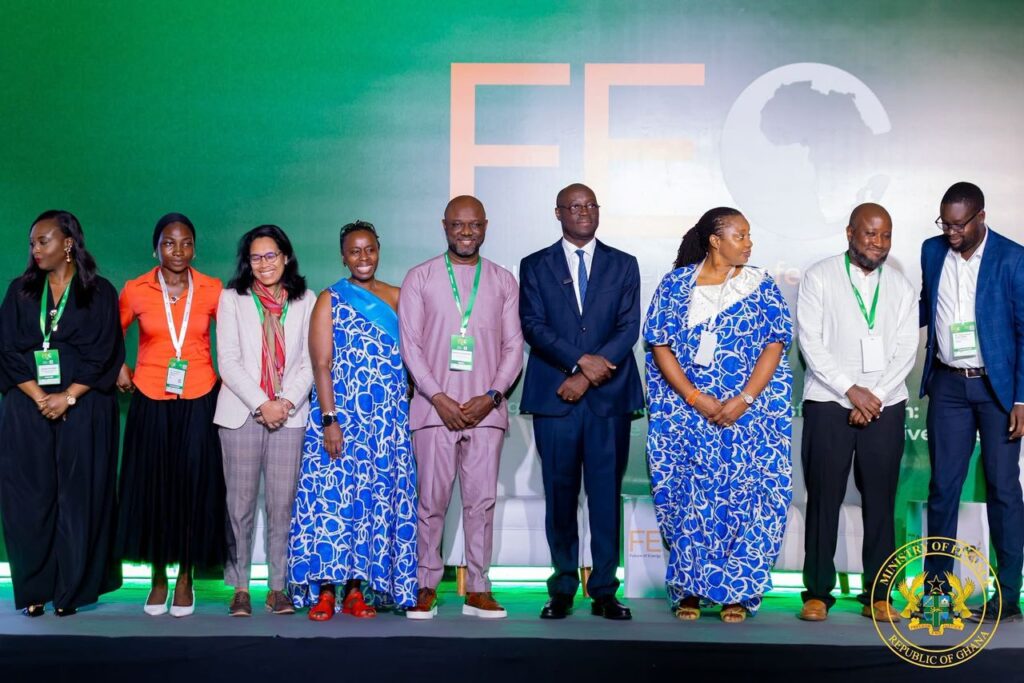
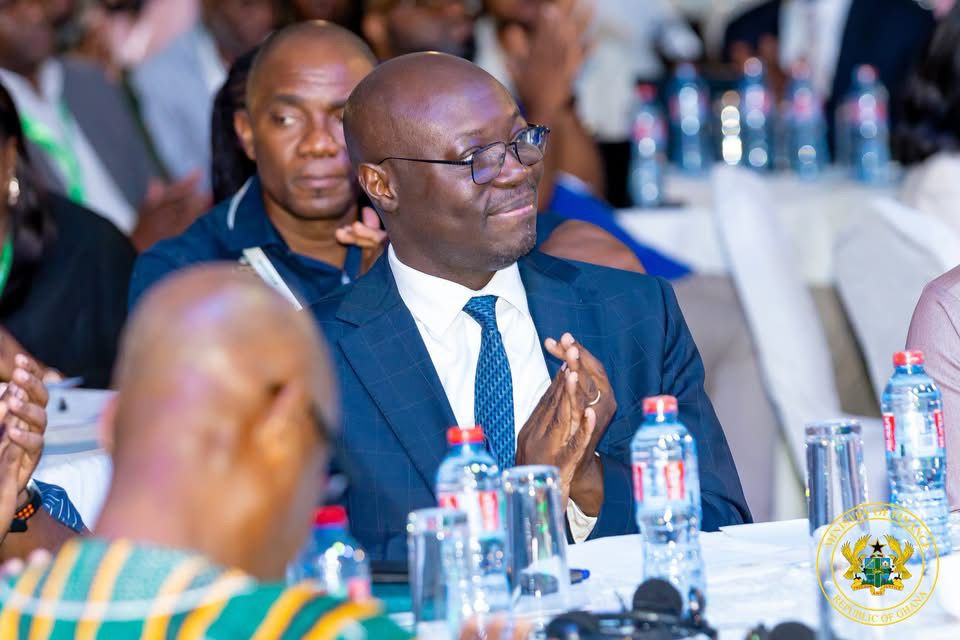
Speaking at the Future of Energy Conference 2026 in Accra, Dr. Forson said energy policy could not be separated from fiscal policy and broader economic strategy, given the direct influence of electricity costs and reliability on investment, production and employment.
“Powering Africa’s industrial transformation is more than an energy challenge. It is an economic imperative.”
Dr. Cassiel Ato Forson, Minister For Finance
He said Africa’s economic structure remains heavily dependent on exporting raw materials while importing higher-value finished products, a pattern that risks being repeated in the emerging critical-minerals economy.
Cocoa and chocolate, as well as bauxite and aluminium, were cited as examples of the value gap facing African economies, with the minister warning that exporting critical minerals without developing domestic processing and manufacturing capacity would offer limited transformational benefits.
“We must move from raw exports to high-value production.”
Dr. Cassiel Ato Forson, Minister For Finance
Stability Must Become A Platform For Investment
Dr. Forson identified macroeconomic stability as a necessary foundation for attracting investment, noting that inflation, exchange-rate volatility, high interest rates and excessive debt can increase investment risks and raise the cost of capital.
He pointed to Ghana’s recent economic performance, including declining inflation, economic growth and improving external buffers, but stressed that stabilisation should not become the endpoint of economic policy.
“Stability is not the destination. It is the launchpad for transformation.”
Dr. Cassiel Ato Forson, Minister For Finance
The next phase, according to the minister, should use that stability to attract capital into reliable and affordable energy infrastructure and productive industries.
This places energy at the centre of Ghana’s broader economic recovery strategy.
Lower and more predictable energy costs can improve industrial competitiveness, while reliable supply can reduce the dependence of businesses on expensive alternative sources of power.
Financing Remains Critical To The Energy-Industrial Agenda
Africa’s financing constraints remain a major obstacle, particularly as governments contend with debt-service obligations and limited fiscal space.
Dr. Forson therefore called for greater use of guarantees, blended finance, local-currency funding, deeper capital markets and credible public-private partnerships to mobilise the capital required for energy and industrial development.
“We need guarantees, blended finance, local-currency funding, deeper capital markets and credible public-private partnerships.”
Dr. Cassiel Ato Forson, Minister For Finance
However, he cautioned that simply increasing capital flows would not deliver structural transformation if investment remained concentrated in extraction rather than domestic production.
Energy and industrial financing, he argued, must extend into processing, refining, manufacturing, technology development, skills and employment.
“We must not replace fossil fuel export with raw mineral export and call it transformation.”
Dr. Cassiel Ato Forson, Minister For Finance
AfCFTA Offers A Larger Market For African Industry
The minister also linked industrialisation to greater economic integration, arguing that African countries need to move beyond fragmented national markets if businesses are to achieve the scale required to compete internationally.
The African Continental Free Trade Area provides an important framework for creating that larger market, but its economic potential will depend on whether African countries develop the productive capacity needed to supply it.
For Ghana, this means energy infrastructure must increasingly be viewed not only as a means of keeping the lights on, but as an input into manufacturing, processing, logistics and export competitiveness.
“The resources are here in Africa. The market is with us. The people of Africa are ready.”
Dr. Cassiel Ato Forson, Minister For Finance
Dr. Forson said Ghana’s immediate opportunity was to move from macroeconomic stabilisation towards a phase centred on production and investment, creating conditions for private investors to establish enterprises, generate employment and participate in domestic and regional value chains.
Energy Investment Must Deliver Productive Capacity
The minister’s position points to a broader policy challenge for Ghana and the continent: energy investment creates greater economic value when it is connected to industries capable of consuming that energy productively.
Expanding generation capacity without corresponding growth in manufacturing, agro-processing, mining value addition and other productive sectors could limit the wider economic returns from the investment.
Conversely, industrial expansion without dependable and competitively priced electricity risks making African businesses less competitive and increasing production costs.
The stronger policy approach, therefore, is to develop energy and industrial strategies together, ensuring that new power infrastructure is aligned with the sectors expected to drive future economic growth.
“Let us turn Africa’s potential into production, production into jobs and jobs into prosperity.”
Dr. Cassiel Ato Forson, Minister For Finance
For Ghana, that argument is particularly relevant as the country seeks to strengthen its energy sector while attracting investment and expanding domestic production.
The next measure of energy-sector progress should not only be how much electricity is generated, but how effectively that electricity supports factories, businesses and value-added industries.
The minister’s message ultimately places energy, finance and industrial policy within one economic equation: reliable power can reduce production constraints, macroeconomic stability can lower investment risks, and appropriate financing can help convert Africa’s resources into industries, jobs and sustained economic growth.
READ ALSO: GSE Records 10 Gainers as Market Index Powers Higher