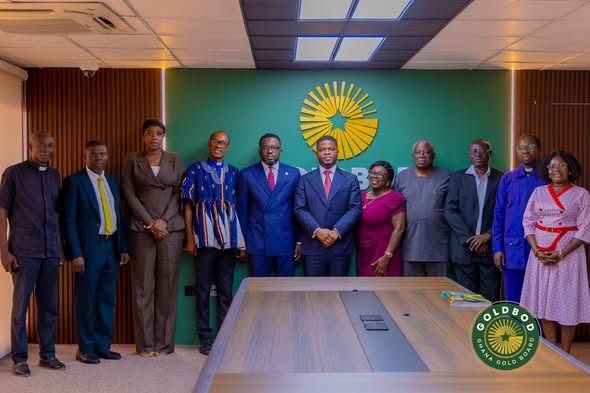
The Christian Council of Ghana has paid a courtesy call on the Ghana Gold Board (GoldBod), commending the state institution’s progressive efforts toward promoting total transparency, responsible gold trading practices, and environmental sustainability in the extractive sector.
Leading the delegation, Dr. Joyce Laco Steiner, Director of Programmes and Advocacy at the Christian Council of Ghana, described the country’s vast mineral wealth as a divine endowment that must be managed with absolute integrity, fairness, and accountability for present and future generations.
“Ghana’s mineral wealth is a divine endowment that must be managed with integrity and accountability for present and future generations.”
Ghana Gold Board (GoldBod),
In response, the Chief Executive Officer of GoldBod, Sammy Gyamfi, outlined the state body’s comprehensive statutory mandate under Act 1140, emphasizing its expanding contribution toward local foreign exchange generation and broader macroeconomic stability.
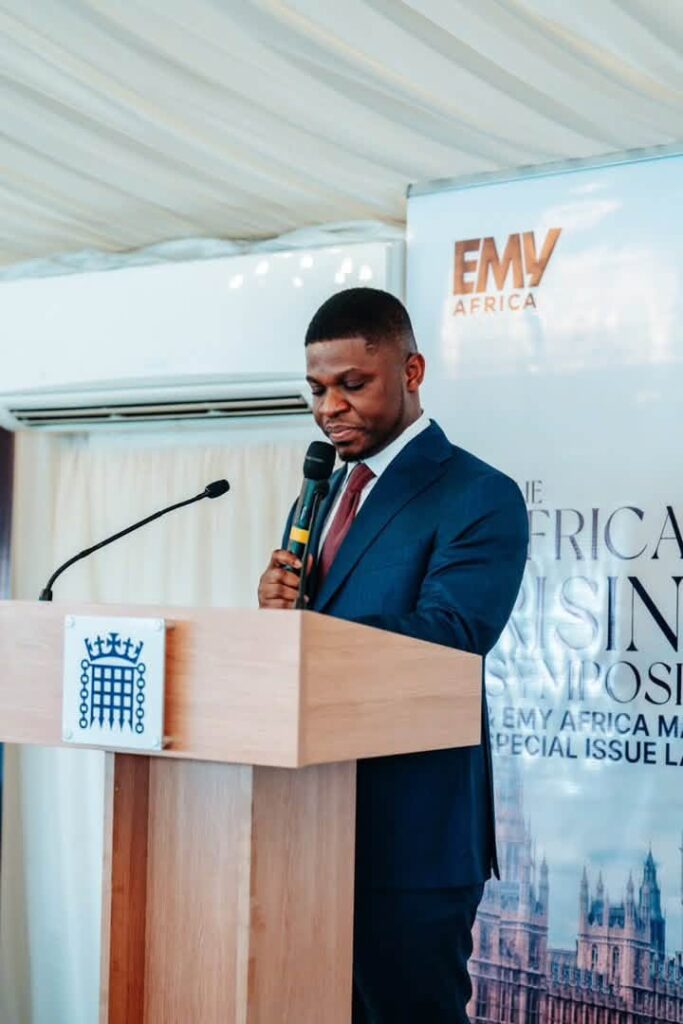
He further highlighted ongoing operational initiatives, including local gold refining, domestic jewellery production, the establishment of an international-standard fire assay laboratory, as well as extensive land reclamation and the rehabilitation of crucial water systems heavily impacted by historic mining activities.
The Imperative For Extractive Sector Oversight
For decades, Ghana’s precious minerals domain faced systemic challenges, ranging from rampant gold smuggling and unaccounted exports to illegal mining activities that severely degraded vital water bodies and forest reserves.
Unregulated trading channels created vast financial leakages that deprived the state of essential foreign exchange reserves while leaving local communities to bear the heavy burden of environmental devastation.
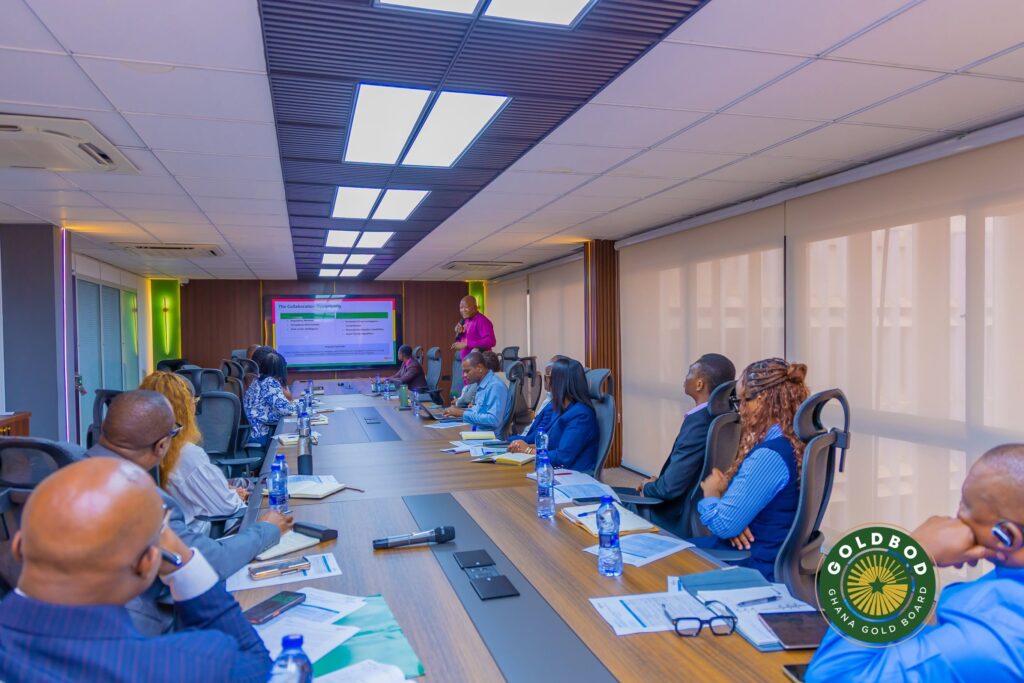
The establishment of GoldBod under Act 1140 answered an urgent national need to centralize oversight, regulate small-scale mining output, eliminate illicit financial flows, and ensure that gold exploitation directly benefits national economic growth.
The institutional framework created under Act 1140 strictly empowers GoldBod to serve as the primary authority over gold aggregation, assaying, licensing, and trade.
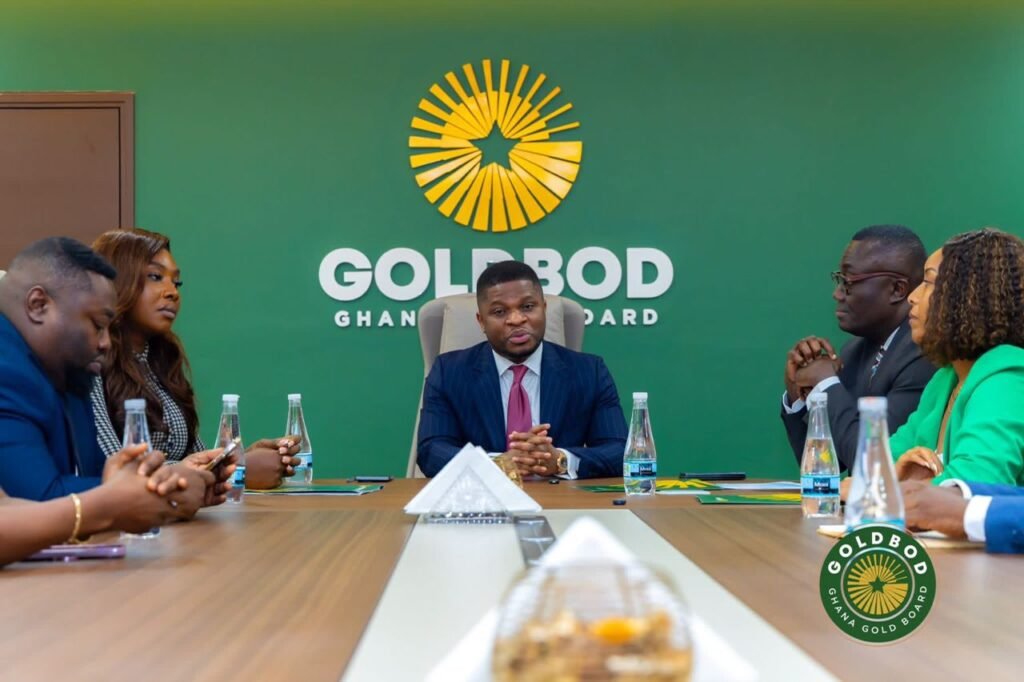
By offering competitive market pricing and structured, traceable purchasing regimes for licensed artisanal and small-scale miners, the board has effectively drastically reduced illegal cross-border smuggling incentives.
Furthermore, integrating mandatory environmental land reclamation and water body rehabilitation programs into its broader operations directly addresses the ecological crises caused by illegal mining, offering a sustainable path forward where economic gain no longer requires natural destruction.
A Shared Vision For Sustainable Development
The high-level engagement between the faith-based organization and the state regulator reaffirmed a strong, shared commitment to responsible gold management, ethical leadership, and sustainable national development.
By aligning faith-based moral advocacy with strict regulatory oversight, both organizations signaled a unified stance on curbing environmental degradation and ensuring that mineral exploitation abides by ethical principles

The collaboration further underscores the crucial role civil society and religious institutions play in driving public accountability within the extractive industries.
As GoldBod expands its infrastructure through advanced fire assay laboratories and local value-addition projects such as refining and jewellery production, continuous engagement with civic leadership ensures that public interest remains at the core of the nation’s natural resource governance.
Standardizing Local Gold Value Chains
Beyond foreign exchange generation, GoldBod’s strategic drive toward domestic value addition represents a fundamental shift in Ghana’s resource extraction paradigm.
By prioritizing local gold refining and downstream production, the state is moving away from raw commodity exportation toward capturing higher economic value domestically.
The establishment of state-of-the-art assay laboratories guarantees that gold purity measurements conform strictly to international standards, building global market confidence and enhancing institutional credibility.
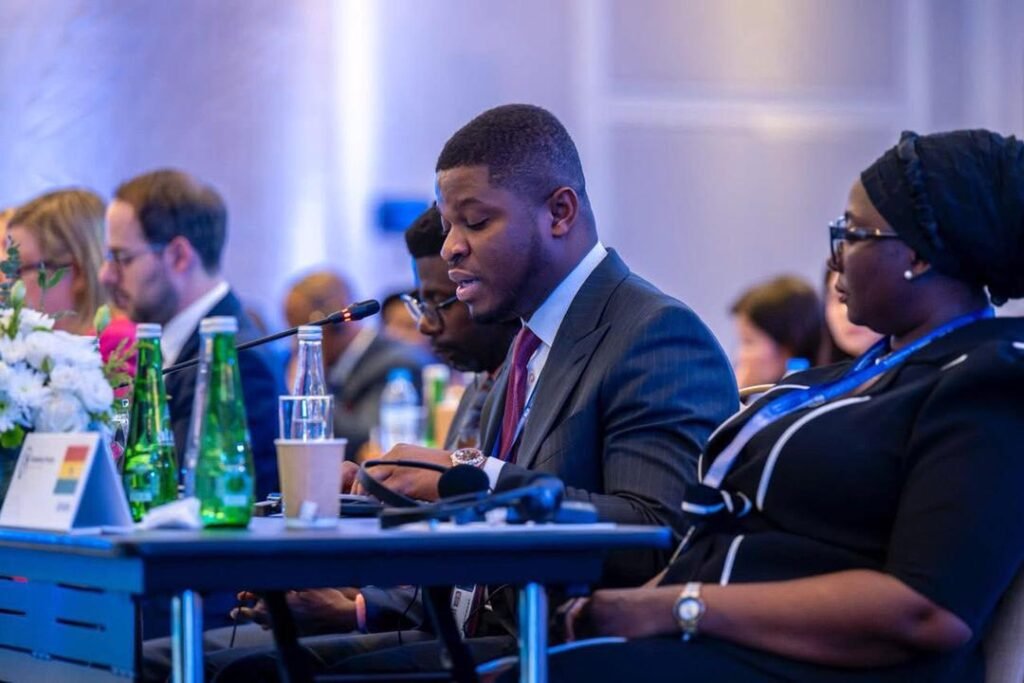
Ultimately, the Christian Council’s endorsement highlights growing societal consensus around responsible mining and transparent commodity trading.
Through coordinated efforts involving institutional regulators, local communities, and civic leaders, Ghana is establishing a modern template for mineral resource management one that balances economic profitability with moral responsibility and environmental stewardship.
READ ALSO: Mladic Buried With Military Honors