Ghana’s economy is being tipped as one of the few in Africa capable of withstanding ongoing global economic turbulence, following strong policy reforms and a strategic resource base that continues to attract investor confidence.
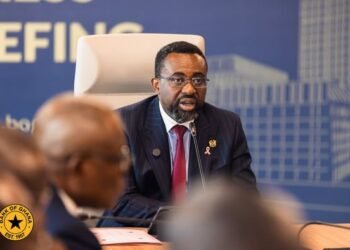
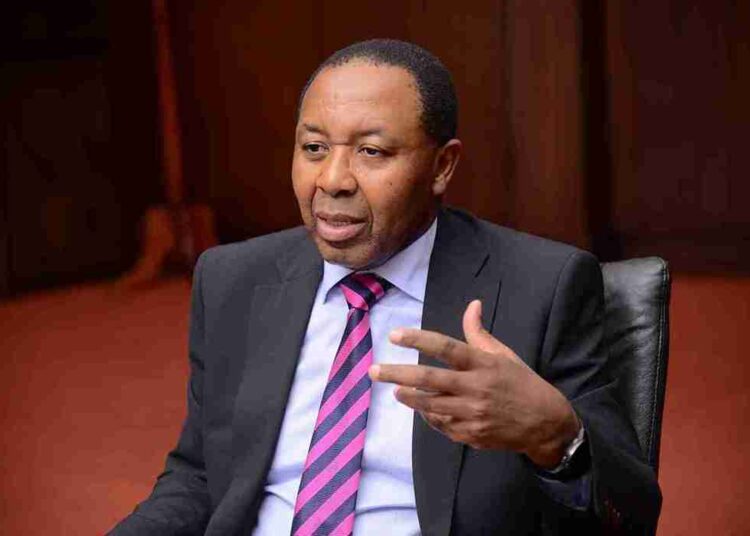
This outlook was reinforced by Kenny Fihla, Group Chief Executive Officer of Absa Group, who expressed optimism about the country’s resilience despite mounting external pressures.
His remarks come at a time when global markets are grappling with uncertainty, rising energy costs, and geopolitical tensions that have triggered downward revisions in growth forecasts by institutions such as the International Monetary Fund.
Strong Policy Foundations Supporting Stability
According to Fihla, Ghana’s recent macroeconomic adjustments have positioned the country among a select group of economies better prepared to navigate global volatility.
He pointed to fiscal discipline, structural reforms, and monetary policy interventions as key drivers of this resilience. “Ghana has taken all the measures that are necessary to position itself relatively well,” he said.
These measures, implemented over recent years, have helped stabilize key economic indicators and restored a degree of investor confidence. While many emerging markets continue to struggle with capital flight and inflationary pressures, Ghana appears to be on a firmer footing due to its proactive policy stance.
Analysts note that such adjustments are critical in cushioning economies against external shocks, especially in a global environment where uncertainty remains elevated.
Natural Resources Provide Strategic Advantage
A central pillar of Ghana’s resilience lies in its natural resource wealth. Fihla highlighted the country’s strong position in commodities such as gold and crude oil, which continue to serve as buffers against global economic instability.
“As people fear global challenges and turmoil, they tend to move their capital to assets that they consider safe, like gold,” he explained, adding that Ghana stands to benefit significantly from this trend.
Gold, often viewed as a safe haven asset during periods of uncertainty, has seen increased global demand. As one of Africa’s leading gold producers, Ghana is well placed to capitalize on this shift in investor behavior.
In addition, the evolving dynamics in global energy markets present new opportunities. Countries and corporations are increasingly seeking diversified sources of crude oil amid supply disruptions, a development that Ghana can leverage to boost its export revenues and strengthen its external position.

Growth Outlook Remains Positive
Despite the challenging global backdrop, Ghana’s growth outlook remains relatively stable. The country’s economic growth forecast has been maintained at 4.8 percent, signaling confidence in its recovery trajectory.
Fihla expressed strong optimism about Ghana’s prospects, stating, “I think on balance, Ghana will do exceptionally well.”
This positive outlook is underpinned by a combination of domestic reforms and favorable external factors, including commodity demand and investment inflows. It also reflects the effectiveness of measures taken to stabilize the economy following recent fiscal and debt challenges.
For investors, this signals a potentially attractive environment, particularly in sectors linked to natural resources, infrastructure, and financial services.
Risks Persist Amid Global Uncertainty
While the outlook is encouraging, Fihla cautioned that risks remain. Chief among these is the potential spillover effect of rising global energy prices into domestic inflation.
Higher energy costs can increase production and transportation expenses, which may, in turn, lead to higher consumer prices. This poses a challenge for policymakers who must balance growth with price stability.
Additionally, ongoing geopolitical tensions continue to cloud the global economic outlook. The IMF’s recent downgrade of global growth projections highlights the fragility of the recovery and the potential for further disruptions.
For Ghana, maintaining resilience will require sustained policy discipline and the ability to adapt to rapidly changing global conditions.
Positioning for Long Term Resilience
Ghana’s ability to weather global shocks will ultimately depend on its commitment to structural reforms and economic diversification. While natural resources provide a strong foundation, expanding other sectors such as manufacturing, agriculture, and technology will be crucial for long term stability.
The country’s current trajectory suggests a growing capacity to manage external pressures while capitalizing on emerging opportunities. Continued investment in infrastructure, human capital, and innovation will further strengthen this position.
Fihla’s endorsement underscores the importance of strategic planning and sound economic management in navigating uncertain times. His confidence in Ghana’s prospects reflects a broader sentiment among investors and analysts who view the country as a resilient player in a challenging global environment .
As global economic turbulence persists, Ghana stands out as a country with the potential to not only withstand external shocks but also leverage them for growth. Backed by strong policies, abundant natural resources, and a positive growth outlook, the nation appears well positioned to navigate the complexities of the current global environment.
While challenges remain, the combination of resilience and opportunity offers a compelling narrative for Ghana’s economic future.
READ ALSO: Ghana Advances Bold Financial Inclusion Drive After High-Level Talks