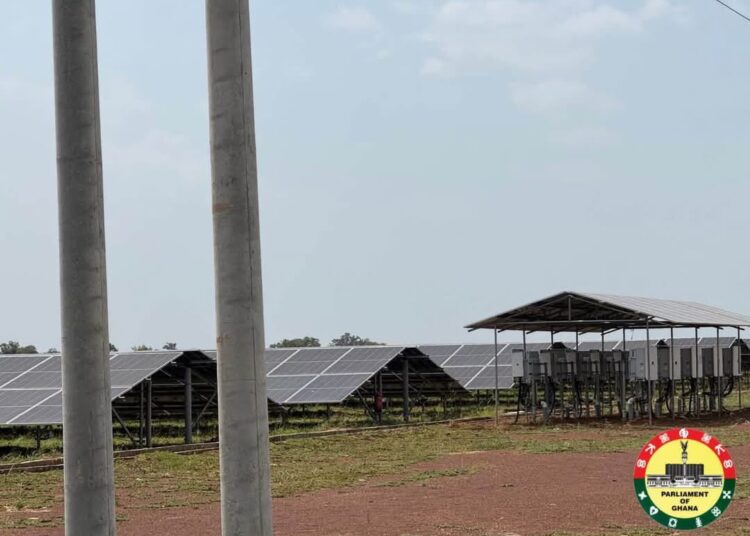
The completion of the Yendi Solar Power Station has renewed calls for fiscal incentives to accelerate Ghana’s renewable energy investment, with Parliament’s Energy Committee signalling support for tax relief on imported solar panels.
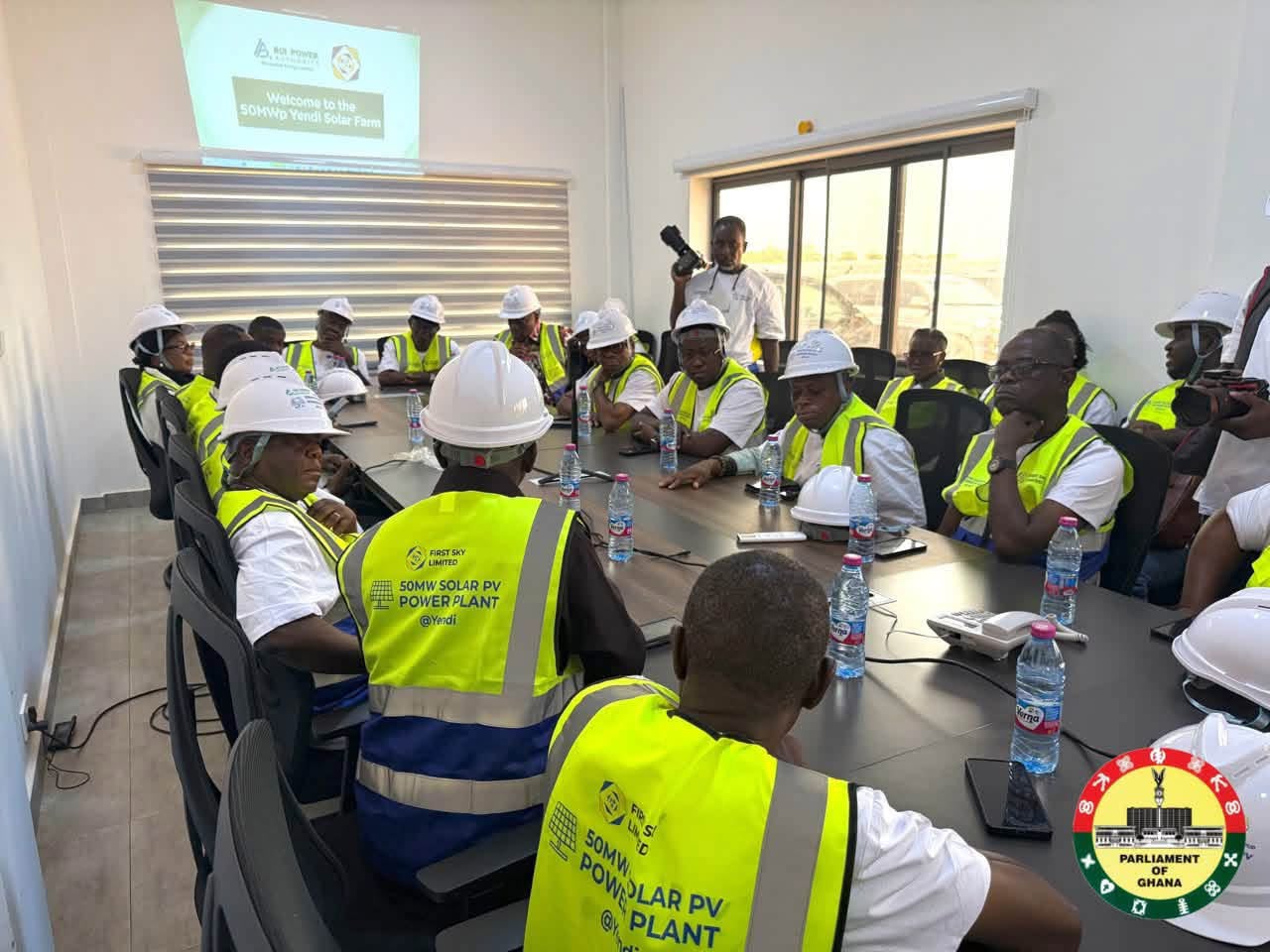
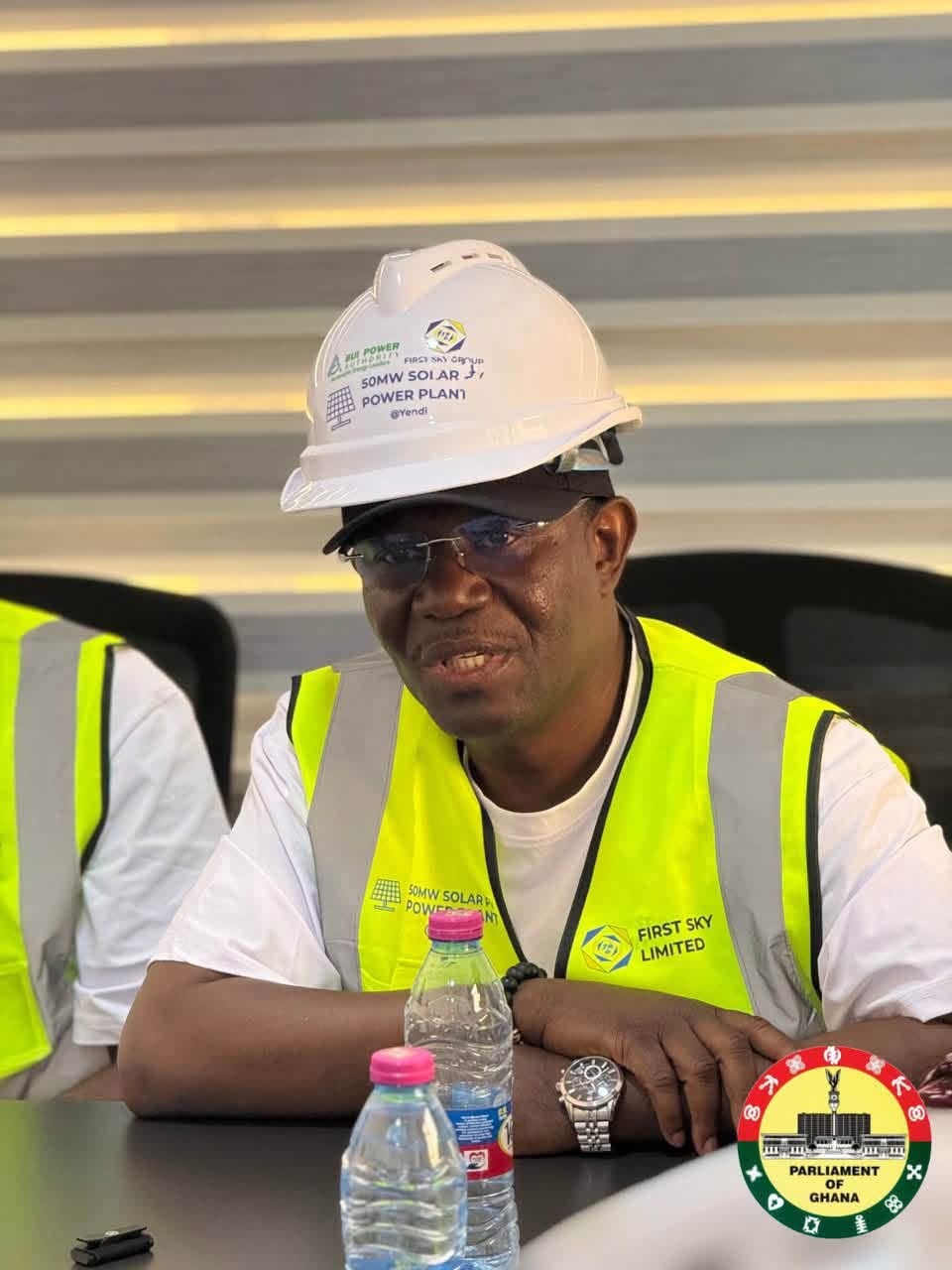
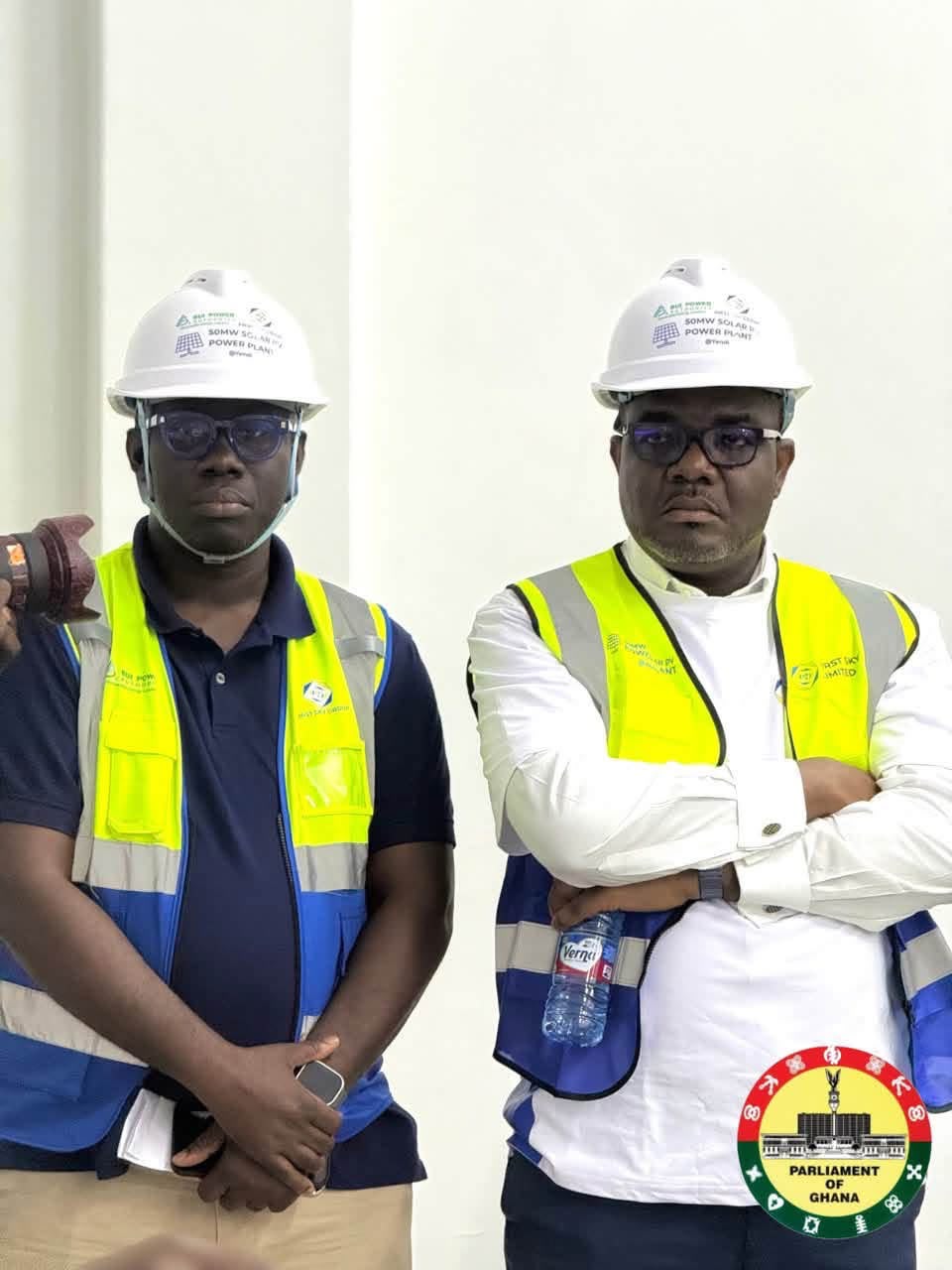
Chairman of the Parliamentary Select Committee on Energy, Emmanuel Kwesi Bedzrah, made the commitment during a visit to the facility, where he commended the Bui Power Authority, First Sky Limited, Energy Minister John Jinapor and the Yendi Municipality for their contributions to the project.
The development adds to Ghana’s efforts to expand renewable energy infrastructure and reduce reliance on fossil fuels, while raising the question of how tax policy can be used to make solar investments more attractive.
Officials of the Bui Power Authority told the Committee that construction of the Yendi Solar Power Station began in December 2023 and was completed in September 2026. Zenith Bank and Republic Bank provided funding support for the project.
Local Expertise Drives Project Delivery
The project was designed and executed entirely using local expertise, according to officials of the Bui Power Authority.
That approach highlights the role Ghanaian technical and engineering capacity can play in delivering renewable energy infrastructure, potentially creating opportunities for domestic firms and professionals as the country expands its clean energy portfolio.
Local participation can also have implications beyond the construction phase. Building experience in project design and execution can strengthen the capacity of Ghanaian companies to compete for future renewable energy contracts and reduce dependence on external technical services.
However, the project’s completion alone does not establish the extent of its contribution to electricity supply or the financial benefits it will generate.
The installed capacity, expected annual generation, commissioning date and connection to the national grid were not provided in the announcement.
Those details will be important in assessing the station’s contribution to Ghana’s energy mix and the value it delivers to the power system.
Committee Signals Support For Solar Tax Relief
Bedzrah’s pledge to support tax incentives and relief on imported solar panels places fiscal policy among the measures being considered to promote renewable energy investment.
The proposed relief could help reduce upfront costs for developers, particularly where imported panels represent a significant share of project expenditure.
Lower equipment costs can improve project economics and potentially encourage further investment in solar generation.
For investors, however, the impact would depend on the specific taxes covered, the scale of the relief and whether the measures are predictable enough to influence long-term investment decisions.
The Committee Chairman’s statement signals support for the proposal, but the announcement does not establish that a tax exemption has been approved or implemented. Any relief would depend on the relevant policy and legislative processes.
The proposal also raises questions about how incentives would be structured to encourage renewable energy development while ensuring that public revenue considerations and local industry interests are taken into account.
Renewable Energy Expansion And Energy Security
Ghana’s continued investment in solar power reflects the broader effort to diversify electricity generation and strengthen the country’s energy security.
Expanding renewable generation can reduce exposure to some fuel-price risks associated with thermal power generation. Solar projects can also complement other sources of electricity, although their contribution depends on generation capacity, weather conditions, grid integration and the availability of suitable balancing resources.
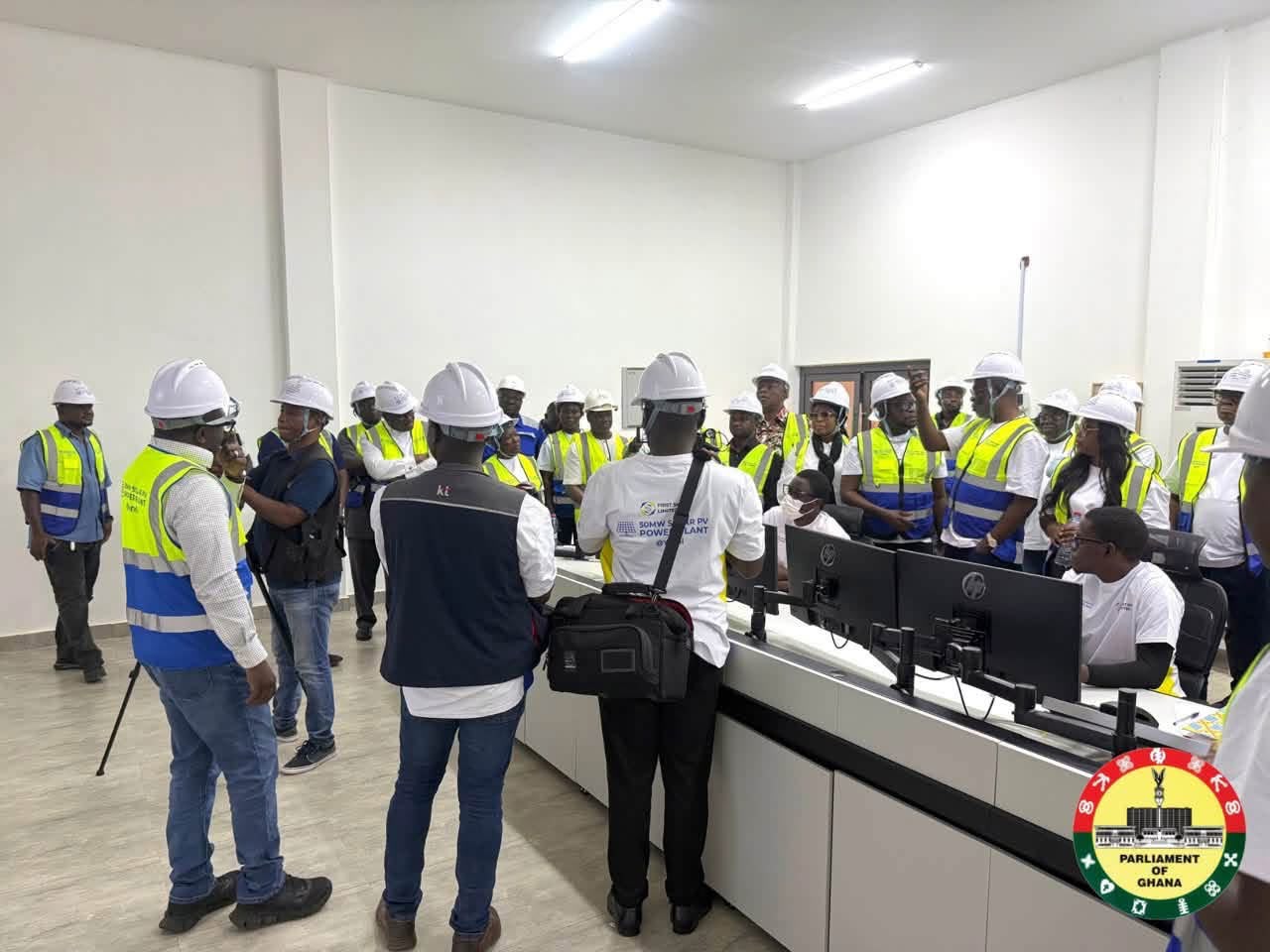
The Yendi project’s completion is therefore a milestone in infrastructure delivery, but its long-term significance will depend on how much electricity it generates, how reliably it operates and how effectively that power is integrated into the national system.
The project’s reliance on local expertise also provides a basis for examining how future renewable energy developments can deepen domestic technical capacity while attracting financing from commercial banks and other investors.
From Project Completion To Wider Investment
The Energy Committee’s visit brings attention to two connected priorities: delivering renewable energy projects and creating an investment environment that supports further development.
The Yendi Solar Power Station was completed with support from local technical expertise and financing from Zenith Bank and Republic Bank.
Bedzrah’s pledge on tax relief suggests that Parliament’s Energy Committee is prepared to support measures intended to improve the economics of future solar investments.
The next step will be translating that support into clearly defined policy measures and ensuring that incentives produce additional investment and measurable gains in electricity generation.
For Ghana’s renewable energy ambitions, the challenge is no longer only to complete individual projects. It is also to create the financing, regulatory and fiscal conditions needed to expand clean power generation sustainably.
The Yendi facility offers an example of locally executed renewable energy infrastructure. Whether it becomes a catalyst for wider investment will depend on its operating performance and the policy decisions that follow.
READ ALSO: Prince William Hails “Remarkable” Kane After Ballon d’Or Triumph