Ghanaian traditional music icon King Ayisoba has earned his first-ever Grammy nomination. The Recording Academy announced on Monday, 16 November 2026, that his collaborative single “No Tradition, No Africa,” featuring fellow Ghanaian artist Rocky Dawuni, is nominated in the Best African Music Performance category at the 69th Annual Grammy Awards.
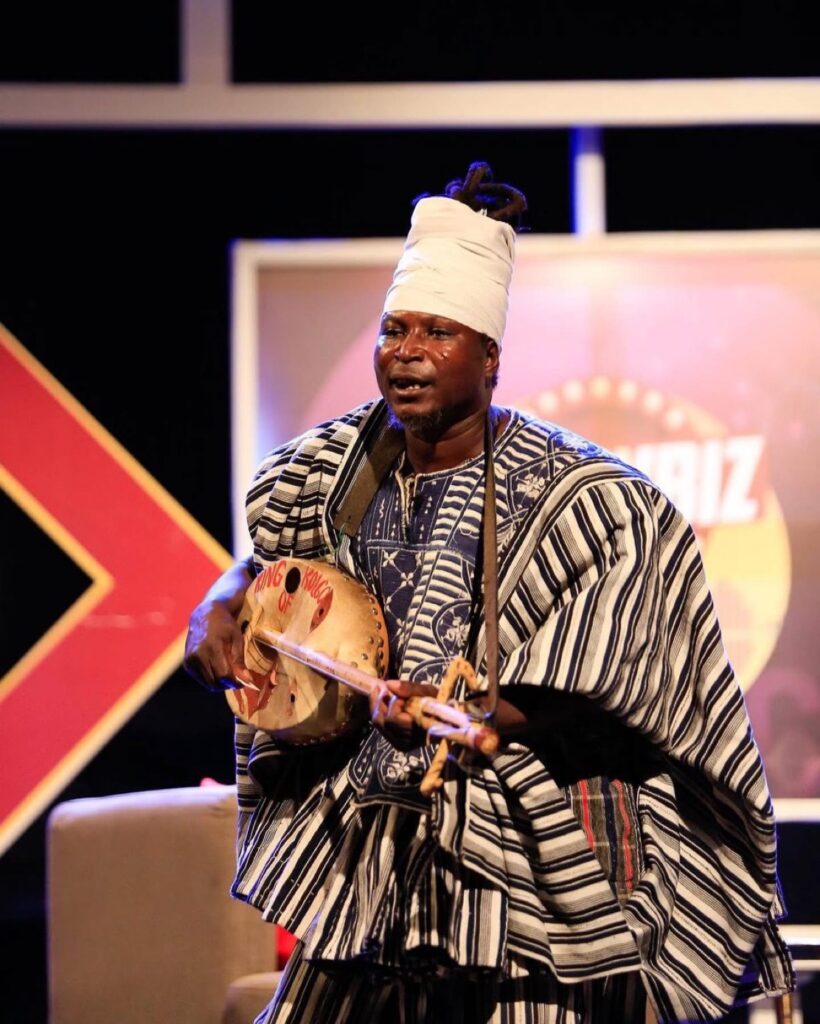
The nomination marks a historic moment for indigenous Ghanaian music on the global stage. King Ayisoba, born Albert Apoozore in Bongo Soe in the Upper East Region, is widely regarded as the leading exponent of the kologo, a two-stringed lute traditionally made from a calabash covered in goatskin.
His raspy vocals, energetic stage presence and socially conscious lyrics have long championed Frafra musical traditions from northern Ghana.
“No Tradition, No Africa” was released in late May 2026 and later included on Ayisoba’s seventh studio album, Pure Confusion. Produced by respected Ghanaian producer Panji Anoff, the track blends Ayisoba’s signature kologo rhythms and percussion with Dawuni’s distinctive Afro-roots reggae sound. The song carries a clear cultural message: without tradition, there is no Africa.
In an earlier statement about the track, King Ayisoba said, “Our strength is in our culture. When we forget where we come from, we lose our way. This song is to remind us to go back, so we can go forward.”
The collaboration places the raw, traditional sound of the kologo alongside some of the biggest names in contemporary African music. The full list of nominees in Best African Music Performance includes Asake for “Gratitude,” Angélique Kidjo featuring Ayra Starr for “Aye Kan (Are You Coming Back?),” Tems for “Big Daddy,” and Wizkid featuring Asake for “Jogodo.”
For Rocky Dawuni, the nomination represents his fifth career Grammy recognition, reinforcing his position as Ghana’s most nominated artist in Recording Academy history. Dawuni has previously received nominations in the Best Global Music Album category and has long been an advocate for Ghanaian and African music on international platforms.
The nomination is particularly significant because it elevates a purely traditional Ghanaian instrument and aesthetic into a category often dominated by more commercially oriented Afrobeats and contemporary African pop.
Music observers note that “No Tradition, No Africa” stands apart through its emphasis on indigenous instrumentation and a direct call to preserve cultural heritage.
About King Ayisogba
King Ayisoba’s career has spanned more than two decades. His 2006 album Modern Ghanaians earned him Song of the Year at the 2007 Ghana Music Awards. Subsequent releases including Africa, Wicked Leaders, 1000 Can Die and Work Hard have solidified his reputation both at home and across Europe, where he has built a dedicated following through festival appearances and tours.
His music frequently addresses political and social issues while remaining rooted in the oral and instrumental traditions of his region.
The 2027 Grammy Awards, officially the 69th edition of the ceremony, are scheduled for 7 February 2027 at the Crypto.com Arena in Los Angeles. The nominations were revealed on 16 November 2026, generating widespread celebration across Ghanaian social media and music circles.
Many described the nod as validation for traditional musicians who have continued to create without chasing mainstream commercial trends. The recognition also highlights the growing diversity within the Best African Music Performance category, which now accommodates both high-energy Afrobeats productions and deeply rooted traditional expressions.
The Role of Panji Anoff
Panji Anoff’s production role adds another layer of Ghanaian creative continuity to the project. Anoff has long been associated with innovative work that bridges traditional and contemporary Ghanaian sounds. The official music video for the track, filmed in Ghana, features elders, traditional custodians, dancers and community members, visually reinforcing the song’s central theme.
As the music industry and fans digest the full nominations list, King Ayisoba’s inclusion stands out as a proud moment for Ghana’s cultural heritage. It demonstrates that the distinctive voice of the kologo and the stories it carries can compete on equal footing with the continent’s biggest commercial stars.

The coming months will see increased international attention on both artists as the road to the February ceremony begins. For King Ayisoba, the nomination itself already represents a major career milestone after years of consistent work dedicated to preserving and promoting northern Ghanaian musical traditions.
READ ALSO:BoG Warns 2027 Budget Could Threaten Ghana’s Economic Stability