Afghanistan’s worsening humanitarian crisis has reached a critical turning point, with nearly 14 million people now facing acute hunger as shrinking international funding forces the United Nations World Food Programme (WFP) to scale back lifesaving food assistance and nutrition programmes across the country.
The UN agency reports that one in three Afghans suffers from extreme food insecurity, and thousands of young children’s lives are at risk due to child malnutrition that has reached previously unheard-of levels in numerous areas.
According to humanitarian workers, a number of factors, including economic collapse, unemployment, conflict, rising food prices, forced repatriation from neighbouring countries, and declining donor funding, are contributing to the issue.
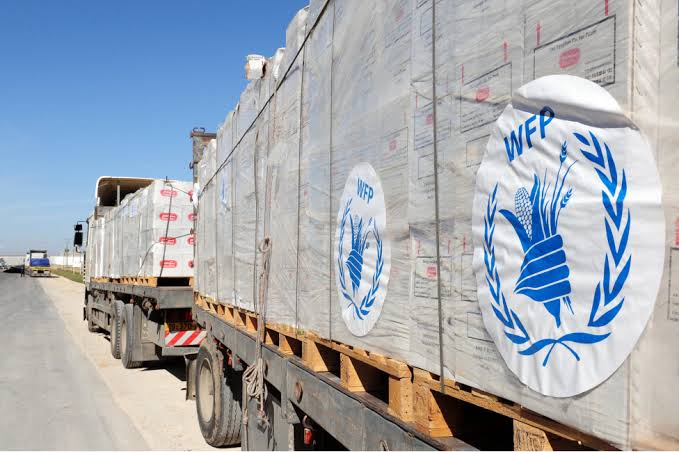
United Nations World Food Programme (WFP) stated that only one in nine of the 14 million Afghans experiencing acute hunger is currently receiving emergency food assistance because of severe funding shortages. The agency cautioned that unless additional financial support is secured before the onset of winter, millions more people could be pushed deeper into food insecurity, with devastating consequences for vulnerable families already struggling to survive.
The situation is particularly alarming for children. Twelve of Afghanistan’s provinces have now reached critical levels of acute child malnutrition the highest number ever recorded in the country. Humanitarian organisations warn that the deadliest form of malnutrition, known as child wasting, has spread rapidly, with infants and toddlers bearing the greatest burden.
The situation, per the WFP Country Director for Afghanistan John Aylieff, is among the worst the nation has experienced recently.
He explained that humanitarian agencies are witnessing a sharp increase in the number of severely malnourished children arriving at health centres, many of whom are already in critical condition.
“The number of children being rushed to health centres is soaring and we’re seeing this visibly. Eighty per cent of the worst cases are children under two years of age and NGOs report that too many of them are arriving too late to be saved.”
John Aylieff
Since September 2023, approximately six million Afghans have been deported or forcibly returned from neighbouring Pakistan and Iran, exacerbating the humanitarian crisis. An economy already battered by years of violence, sanctions, unemployment, and dwindling foreign aid has been further strained by their return.
He noted that Afghanistan’s labour market has been unable to absorb the growing number of returnees.
Compounding the crisis are disruptions to regional trade routes linked to tensions with Pakistan and instability across the Middle East. These disruptions have significantly increased the prices of staple food items, making even basic necessities unaffordable for many households.
“Conflict with Pakistan and the Middle East crisis have created trade disruptions, which have pushed up the price of staple foods by 20 to 30 per cent…The poor are being priced out of the market.”
John Aylieff
For millions of Afghan families, these economic pressures have translated into impossible daily choices between food, healthcare and education, with many surviving on little more than bread and tea.
Children Bear the Brunt as WFP Warns of Preventable Deaths
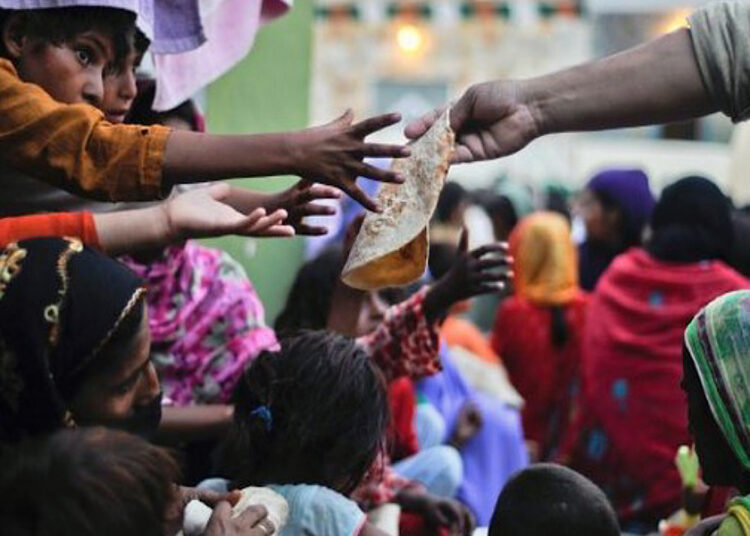
Among the most heartbreaking examples highlighted by the World Food Programme is the story of Farida, a mother of three living in Kandahar province, whose family’s struggle illustrates the devastating human cost of Afghanistan’s food crisis.
Her elderly husband earns less than one US dollar a day as a street vendor, leaving the family unable to afford nutritious food, medicine or other basic necessities.
Two of their children suffer from anaemia, while her six-year-old son has become too weak to attend school because of acute malnutrition.
According to WFP, Farida told humanitarian workers that she frequently has no choice but to tell her children there is nothing left to eat. The family survives almost entirely on tea and bread, relying on food assistance provided through a WFP-supported health clinic.
Without that support, she said, her children would “undoubtedly die.”
The agency warned that Farida’s story is no longer exceptional but reflects the reality facing countless Afghan households as humanitarian assistance continues to shrink.
“That’s a hard message to hear. But harder still when you realize that WFP is only funded this year to feed one in seven acutely malnourished women and children. Yes, we are turning away six out of seven and we’re turning them away empty-handed with absolutely nothing.”
John Aylieff
WFP currently treats severely malnourished children under the age of five, along with pregnant and breastfeeding mothers, through clinics operated in partnership with UNICEF. However, declining donor contributions have forced the agency to prioritise only the most critical cases.
The distribution of specialised nutritious food designed to prevent malnutrition and childhood stunting was suspended entirely in May 2025 because of insufficient funding, leaving millions of vulnerable children without preventive care.
The UN food agency estimates that its emergency food assistance and nutrition programmes in Afghanistan will require approximately US$900 million to operate throughout 2026. While humanitarian organisations have continued to respond despite severe resource constraints, they warn that available funding has fallen far short of what is needed.
“We have not met needs in the first six months because we didn’t have money. And when you look at the next six-month window, this critical window, not just because of the current crisis, but also in the run up to winter, which is the real flashpoint of hunger, WFP still needs $500 million to address the acute food needs in the country.”
John Aylieff
Aid organisations warn that the escalating hunger crisis in Afghanistan may have broader regional and global repercussions in addition to the immediate humanitarian cost. Growing unemployment, food insecurity, and poverty have traditionally fostered radicalism, migration, and instability, further taxing bordering nations and humanitarian institutions.
As winter approaches, humanitarian organisations are urging donors to increase funding before conditions deteriorate further. Without a significant international response, millions of Afghan families already living on the edge may face an even harsher battle for survival, with children continuing to pay the highest price for a crisis that aid agencies insist remains entirely preventable.
READ ALSO: Spain Reports 70,000 Ceuta Migrants Back in Morocco