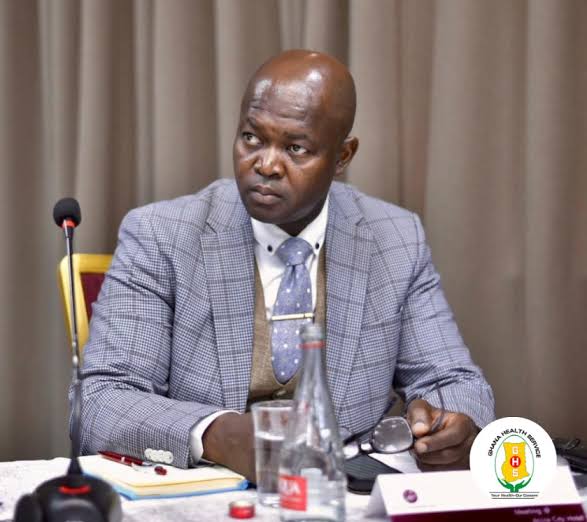
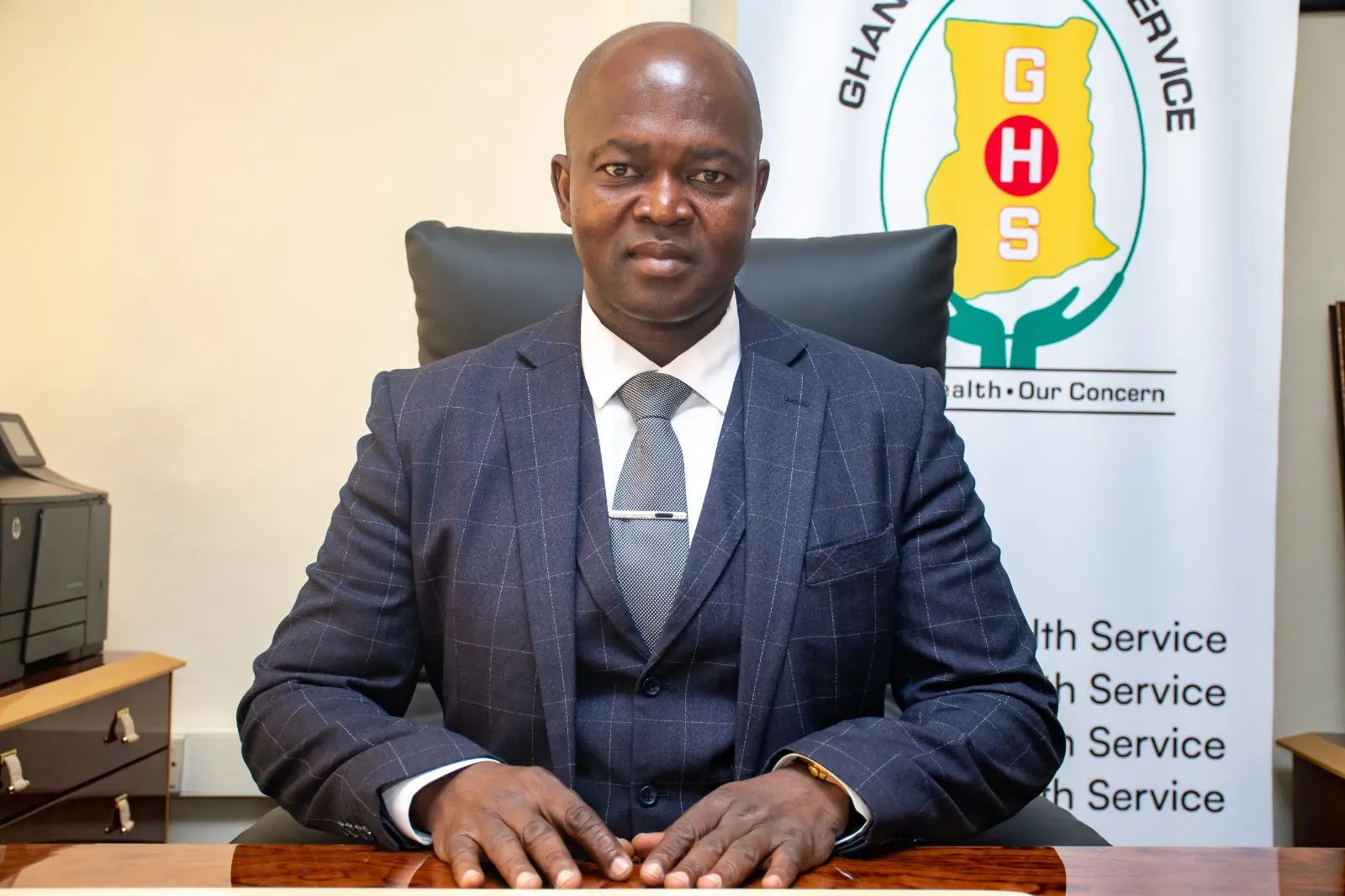
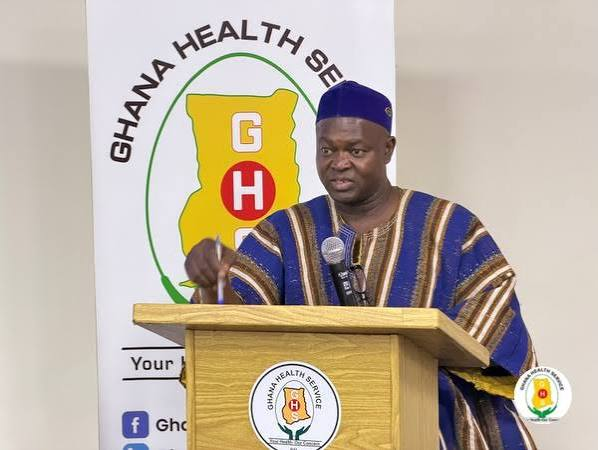
Dr Samuel Kaba Akoriyea, Director-General of the Ghana Health Service (GHS), has outlined Ghana’s preparations for an Ebola outbreak, citing emergency simulations, regional coordination, laboratory capacity and plans for transporting samples safely. He acknowledged that public sensitisation requires further attention as the country monitors cases reported in the Democratic Republic of the Congo (DRC), Uganda, Kenya and Nigeria.
Akoriyea explained that Ghana remains in the preparedness phase and is coordinating with relevant agencies. He stressed that readiness also depends on infrastructure, trained personnel, laboratory supplies, transport and the ability to mobilise resources if suspected cases emerge.
“When it comes to Ebola, we are currently in the preparedness phase. One area I must acknowledge needs attention is public sensitisation and ensuring that everyone is brought on board.”
Dr Samuel Kaba Akoriyea, Director-General of the Ghana Health Service (GHS)
Akoriyea stated that Ghana was monitoring developments in affected countries because airline connections and cross-border movement could increase exposure risks. He disclosed that the Public Health Emergency Operations Centre at Pantang tracks developments continuously and coordinates preparedness activities.
Since reports emerged from Kenya, the Service has conducted about three simulation exercises to test its systems. Akoriyea also described meetings involving approximately 33 agencies, including the military, police, education, social welfare, local government, the National Disaster Management Organisation, Food and Drugs Authority, National Commission for Civic Education, Ghana Education Service, Veterinary Services Department, National Peace Council and Ghana Armed Forces.
He noted that officials had also discussed humanitarian response, refugee management and the possible use of artificial intelligence to predict developments. The GHS had circulated the Health Minister’s recent Ebola statement to regional offices, with instructions to share the information with subregional, district and subdistrict structures and activate relevant systems.
Laboratory Capacity and Ebola Testing
Akoriyea identified three facilities capable of testing for Ebola: the Kumasi Centre for Collaborative Research in Tropical Medicine, the Noguchi Memorial Institute for Medical Research and the GHS Public Health Reference Laboratory.
He explained that Ghana was not conducting tests indiscriminately because no confirmed case had been recorded locally. Testing, he stated, should follow an assessment of symptoms, exposure history and other criteria, rather than automatically applying PCR tests to every person entering the country.
“Testing the system to determine whether it is functioning properly is different from testing a patient for Ebola,” he explained, distinguishing simulation exercises from diagnostic testing.
Safe Sample Transport and Logistics
The Director-General stressed that laboratory readiness requires suitable infrastructure, testing reagents and trained personnel, alongside safe transportation arrangements. Samples must be collected and packaged correctly before being transported.
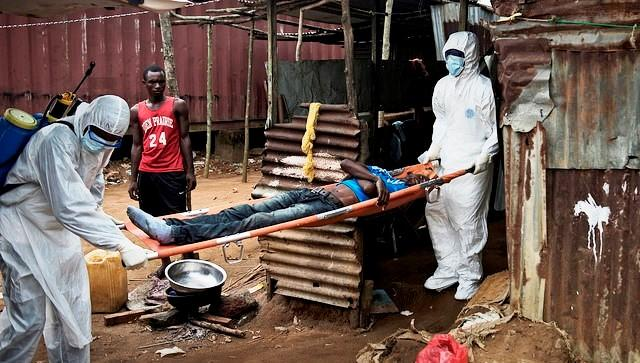
He emphasised the need for triple packaging to protect handlers and preserve samples during transit. Zipline technology, he added, could support the movement of samples by air, helping connect remote locations with testing facilities.
Akoriyea also highlighted logistics planning, including personnel, consumables and essential supplies. The Service must calculate what an initial response requires and identify where additional resources can be obtained if demand exceeds available stocks. He said arrangements with counterparts would help Ghana mobilise supplies when necessary.
Contact Tracing Requires Trained Teams
Akoriyea described contact tracing as a resource-intensive operation requiring transport, fuel, trained personnel and careful management. He recalled that a suspected Ebola case in 2014, despite not resulting in a confirmed outbreak in Ghana, led authorities to trace 9,301 contacts.
The episode demonstrated how one suspected infection can trigger extensive tracing when a person has travelled between locations and interacted with others. Akoriyea stressed that authorities cannot simply recruit people and assign tracing duties without preparing them for the work.
“Contact tracing requires transportation, fuel, personnel and proper training.”
Dr Samuel Kaba Akoriyea, Director-General of the Ghana Health Service (GHS)
He explained that teams must know how to trace contacts and manage interactions appropriately, while emergency plans must be scalable enough to respond to one suspected case or a much larger number.
Infrastructure Gaps Remain a Challenge
While detailing the preparations, Akoriyea acknowledged that infrastructure deficits constrain the health system. He argued that readiness should be assessed against available resources, existing gaps and practical steps to address them, rather than assuming every infrastructure need can immediately be met.
He pointed to Ghana’s experience during COVID-19 as evidence of the country’s capacity to respond when systems and personnel are mobilised. However, he stressed that confidence must be supported by practical planning, adequate supplies and coordination.
Akoriyea identified public sensitisation as an area needing more attention, calling for wider involvement so communities understand the response measures. He maintained that preparedness depends on combining surveillance, laboratory testing, safe sample transport, contact tracing and inter-agency cooperation before a suspected case occurs.
READ MORE: Ghana’s Ebola Preparedness Under Scrutiny Amid Rising Concerns